



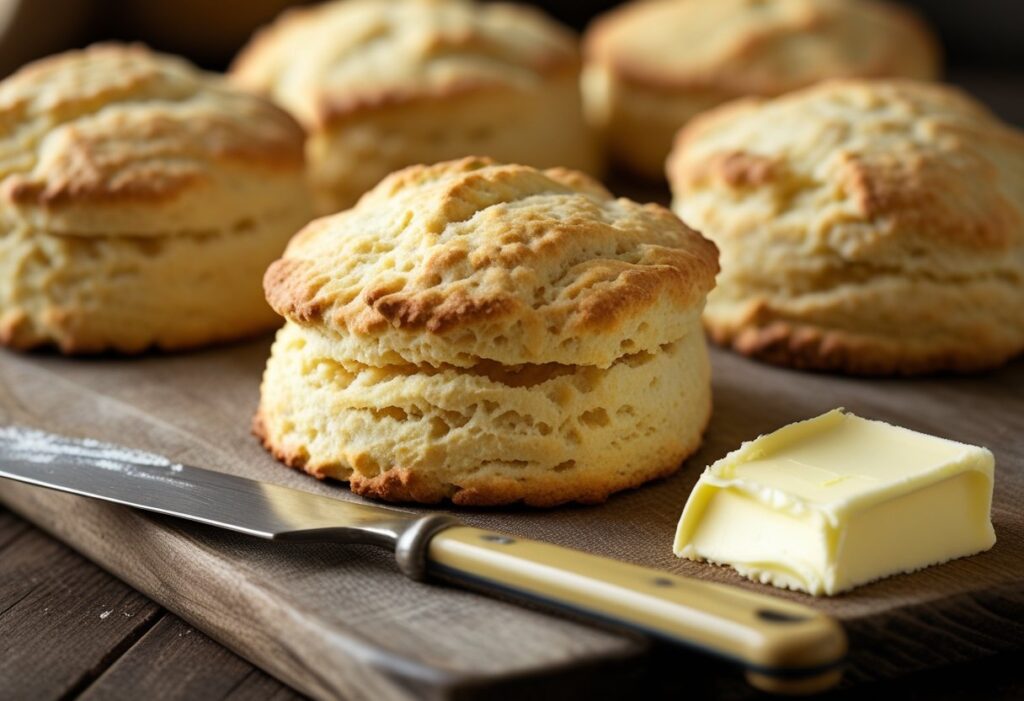
Scottish Potato Scones Made Easy are a classic and versatile addition to any morning meal. These soft, golden tattie scones are made from simple ingredients — floury potatoes, plain flour, butter, salt, and optional seasoning — and cooked on a griddle or frying pan until slightly crispy on the outside while tender inside. Whether you are planning a traditional Scottish breakfast or a modern brunch, this easy potato scones recipe delivers authentic flavour and texture that everyone will love.
The process begins by boiling and mashing the potatoes until smooth, creating a creamy base for the dough. Next, the butter and flour are gently mixed in, forming a soft dough that is then rolled out and cut into traditional farls or rounds. Cooking on a medium-heated pan ensures a golden crust without compromising the soft interior. These tattie scones pair wonderfully with eggs, bacon, smoked salmon, or even sweet toppings like jam or honey.
One of the benefits of making Scottish potato scones is their versatility — they can be served as part of a full Scottish breakfast, in breakfast rolls, or even as a snack with butter. The texture is perfectly balanced, soft yet slightly crisp, providing a satisfying bite every time. For a more gourmet twist, add herbs such as chives or parsley.
This recipe is beginner-friendly, budget-friendly, and ideal for weekend breakfasts or brunch gatherings. If you want to enjoy authentic Scottish flavours at home, the complete recipe is given below with detailed step-by-step instructions, expert tips, and serving suggestions.
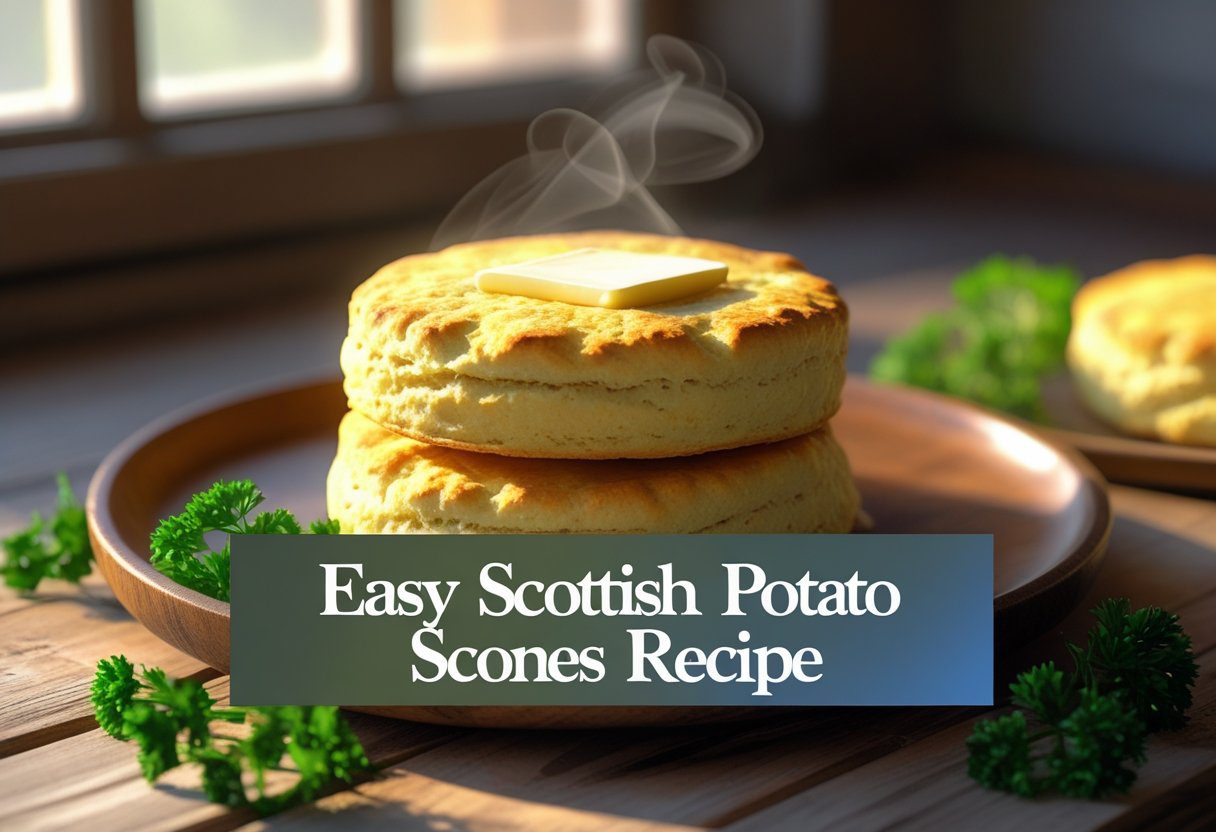
The Heritage of Scottish Potato Scones (Tattie Scones)
Scottish potato scones — commonly called tattie scones — are a treasured part of Scottish breakfast tradition. The word tattie itself is the Scottish dialect term for potatoes, and these scones evolved as a resourceful way to stretch simple ingredients into a satisfying meal component. Traditionally cooked on a dry griddle — known as a girdle — these scones were often made with leftover boiled potatoes straight after dinner, then served warm the next morning.
In Scotland, you’ll find tattie scones not just on breakfast plates, but also rolled in a breakfast roll with bacon or square (Lorne) sausage, illustrating their versatility and deeply embedded place in Scottish culinary heritage.
Why These Are Perfect for Breakfast
If you think about breakfast foods that are satisfying, versatile, and comforting, Scottish potato scones hit all the marks. Unlike plain toast or cereal, tattie scones provide both texture and substance — soft and tender inside with a savoury, slightly crispy exterior that complements rich breakfast flavours. They’re an excellent source of carbs for energy and can be adapted to sweet or savoury pairings. Whether you’re planning a brunch spread or a traditional full Scottish breakfast, these scones add authentic character and flavour.
Ingredients You’ll Need
To make Scottish potato scones made easy – perfect for breakfast, gather the following:
- Floury Potatoes: Choose floury types like King Edward or Maris Piper for a fluffier mash.
- Plain (All-Purpose) Flour: This forms the dough base.
- Butter: Adds richness and flavour.
- Salt & Optional Pepper: For seasoning.
- Optional Baking Powder: Sometimes added for a slight lift.
These simple ingredients — mashed and combined — create a dough that’s deceptively easy yet yields astonishingly satisfying results.
Step 1: Prepare the Potatoes for Best Texture
The foundation of perfect tattie scones starts with properly cooked potatoes. Choose floury, starchy varieties like King Edward or Maris Piper — these types break down beautifully and absorb seasoning and butter effectively. Boil the peeled potatoes in lightly salted water until they are fork-tender. This usually takes about 15–20 minutes depending on size. Once cooked, drain thoroughly and let any excess steam escape. Warm potatoes hold onto flavour and moisture better, making the dough easier to form.
Ensuring the potatoes don’t retain too much water is crucial — overly moist potatoes will require excess flour, leading to heavier, denser scones rather than tender, light ones. Mash the potatoes immediately after draining, while still warm, until completely smooth. A potato ricer can help remove lumps and create uniform texture, but a sturdy masher works just fine.
Step 2: Form the Dough with Precision and Care
Once your potatoes are mashed and warm, add the butter and salt (and pepper if using). Allow the butter to soften and melt into the potatoes, infusing every bite with rich flavour. Gradually sprinkle in the flour, mixing gently with a wooden spoon or your hands. You want to achieve a soft, cohesive dough that’s slightly tacky but not sticky. Add only enough flour to bring the dough together; over-flouring can make the scones tough and dry.
This stage requires a light touch — overworking the dough activates the gluten in the flour, leading to denser scones. Once the dough holds together and forms a ball, it’s ready for shaping.
Step 3: Shape and Cut the Classic Tattie Farls
Here’s where your scones take their traditional form. Lightly dust your work surface with flour and turn the dough out. Press it gently into a round disc about 5–6 mm thick — think of a pizza base rather than a thick biscuit. The classic Scottish method is to cut the circle into quarters, known as farls. Each farl becomes a wedge-shaped scone that cooks evenly and presents beautifully.
You can also cut rounds using a biscuit cutter if you prefer individual scones, but farls remain the most authentic shape. Prick the surface lightly with a fork — this helps steam escape and promotes a more consistent texture when cooking.
Step 4: Cook on a Griddle or Frying Pan to Golden Perfection
Tradition calls for a dry griddle — known as a girdle in Scotland — but a heavy frying pan or cast iron skillet works equally well on any stovetop. Preheat the pan over medium heat so it’s hot enough to sizzle but not so hot that the scones burn before cooking through. Place each farl into the pan, giving them space to breathe. Cook for 3–4 minutes on the first side until a light golden crust forms. Then flip and repeat.
The goal during this step is balance: achieve a caramelized exterior without drying out the tender, melt-in-your-mouth interior. Adjust the heat if necessary — too high and the crust will char, too low and the scones will dry before browning nicely.

Step 5: Serve Warm for Maximum Delight
Once cooked, Scottish potato scones are best served immediately while still warm. The aroma of golden tatty farls on the table invites anticipation — and every bite rewards it. These scones pair beautifully with classic breakfast components like fried eggs, bacon or grilled tomatoes. For a less traditional but equally delicious combination, enjoy them with butter and jam or creamy smoked salmon and chives.
Serving tips: Balance the savoury experience with creamy or sharp accents like sour cream, fresh herbs like parsley or chives, or tangy chutneys that cut through the richness.
Creative Serving Ideas to Elevate Breakfast
Full Scottish Breakfast Spread
Turn these scones into the star of a full Scottish breakfast: pair them with eggs cooked to your liking, crispy bacon or Lorne sausage, grilled tomatoes, sautéed mushrooms, and baked beans. This indulgent plate celebrates classic flavours and guarantees satisfaction.
Tattie Scone Breakfast Roll
In Scotland, it’s common to tuck a tattie scone into a soft roll with bacon or sausage — a handheld breakfast treat perfect for on-the-go mornings.
Sweet Twist
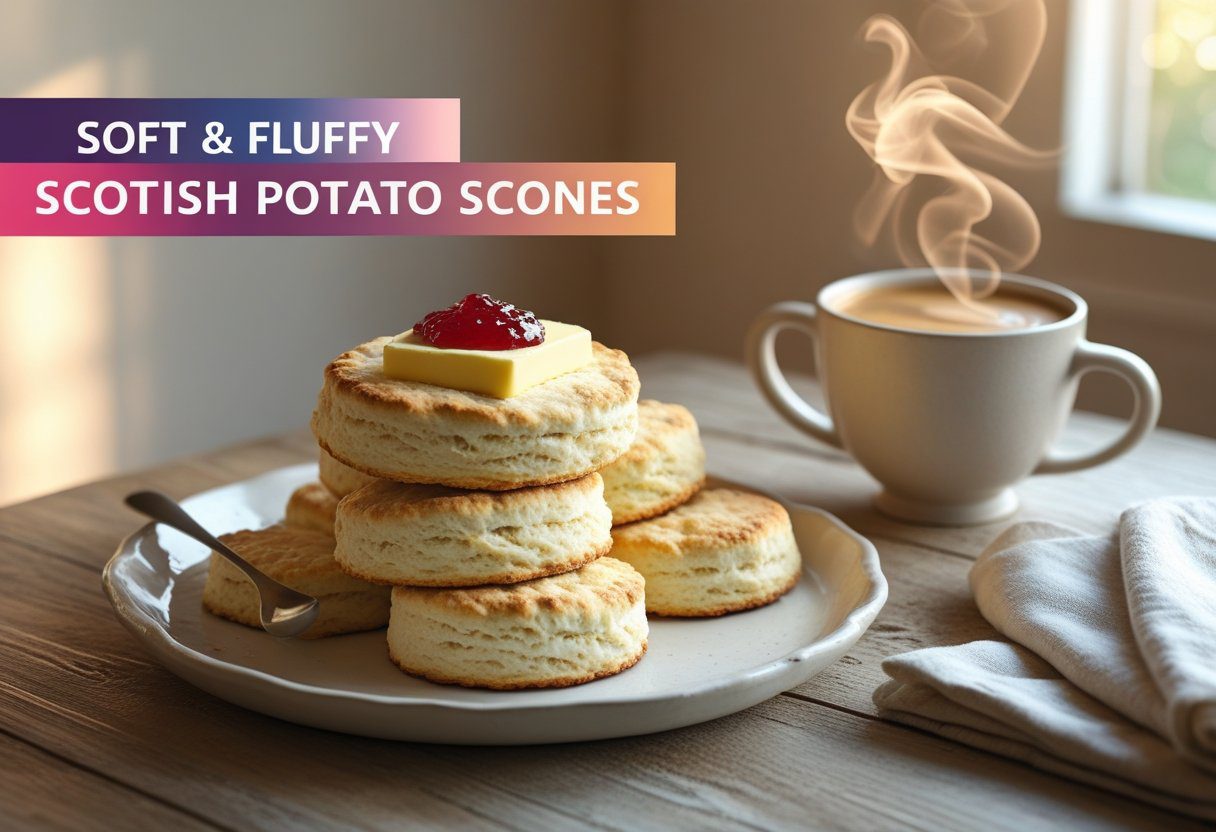
Don’t hesitate to spread butter and your favourite jam over warm tattie scones for a sweet highlight — the contrast between savoury and sweet is surprisingly delightful.
Vegetarian Brunch Board
Pair the scones with avocado slices, roasted cherry tomatoes, sautéed spinach, and crème fraîche for a modern brunch setup that’s both beautiful and flavourful.
Expert Tips to Guarantee Success Every Time
- Use Warm Potatoes: Cold mashed potatoes absorb flour unevenly — warm potatoes make a better, smoother dough.
- Avoid Over-Mixing: Light handling keeps the texture tender rather than chewy.
- Heat Management: Moderate heat ensures a crisp outside and soft inside.
- Flour Sparingly: Adding flour little by little prevents dry, tough scones.
- Freeze Leftovers: Cooked tattie scones freeze well — just toast or fry to refresh.
Related About Scottish Plain Scone Recipe
Gluten Free Tattie Scones Almond Flour Substitution
For those seeking a gluten-free tattie scones alternative, almond flour substitution works well to maintain a soft, nutty texture while keeping the recipe wheat-free. Almond flour, being low in gluten, absorbs moisture differently than traditional plain flour, so it’s important to adjust the potato-to-flour ratio carefully. Combining almond flour with a small amount of tapioca or potato starch can improve elasticity and help the dough hold together without becoming crumbly. Gluten-free tattie scones are perfect for individuals with celiac disease, wheat sensitivity, or anyone following a gluten-free diet. Pairing them with plant-based butter or vegan toppings ensures a fully allergen-friendly breakfast option. For optimal results, use floury potatoes and avoid over-mashing, as too much moisture can make gluten-free scones gummy.
Vegan Scottish Potato Scones Plant Based Butter
Creating vegan Scottish potato scones is straightforward by substituting traditional butter with plant-based butter, such as vegan margarine, coconut oil, or nut-based spreads. Plant-based butter provides the richness and mouthfeel of dairy while keeping the recipe 100% plant-based and cruelty-free. These scones maintain a soft, tender texture when the dough is carefully mixed and cooked on a lightly oiled pan or griddle. Vegan tattie scones are ideal for plant-based breakfasts, brunches, and those following dairy-free or vegan diets, pairing well with avocado, vegan cheese, or grilled vegetables for a wholesome meal. Using high-quality floury potatoes like Maris Piper or King Edward ensures the dough binds properly even without dairy.
Air Fryer Tattie Scones Crispy Low Oil Farls
For a modern twist, air fryer tattie scones allow you to achieve crispy low-oil farls with minimal fat while retaining a soft, fluffy interior. Air frying is perfect for health-conscious cooks who want golden-brown scones without frying in butter or oil. To prepare, lightly brush the scones with a small amount of oil or cooking spray and cook at medium heat until crisp and golden. The result is a lighter breakfast option that pairs beautifully with eggs, bacon, or vegan spreads. Air fryer tattie scones also reduce prep time and clean-up, making them suitable for busy mornings or weekend brunches. Using the correct potato-to-flour ratio ensures the scones maintain their traditional shape and texture even in the air fryer.
Origins Tattie Scones Scottish Highlands Heritage
The origins of tattie scones can be traced to the Scottish Highlands, where they were a staple breakfast item for generations. Historically, these scones were made with simple ingredients: boiled potatoes, flour, and butter, cooked on a griddle over an open flame. This hearty food reflects the cultural heritage of the Scottish Highlands, where potatoes were widely available and easy to store. Tattie scones were a cost-effective way to provide sustaining energy for workers and farmers. Over centuries, the recipe evolved into regional variations, with some incorporating oatmeal, herbs, or different types of flour. Understanding the history provides context for their enduring popularity in traditional Scottish breakfasts.
Full Scottish Breakfast Tattie Scones Lorne Sausage
No full Scottish breakfast is complete without tattie scones and Lorne sausage. This combination represents the traditional Scottish morning meal, often accompanied by fried eggs, bacon, black pudding, and tomatoes. Tattie scones serve as a starchy, soft base that balances the savory richness of Lorne sausage. Many Scottish households also include baked beans, mushrooms, or haggis, creating a hearty plate known as the full Scottish fry-up. The scones’ tender yet slightly crisp texture complements the flavor and protein-rich components of the breakfast, making them an essential part of authentic Scottish culinary tradition.
Fix Gummy Tattie Scones Too Wet Mash Dough
If your tattie scones turn out gummy or doughy, the culprit is usually too wet mashed potatoes. Excess moisture in the mash prevents the dough from holding its shape and can lead to chewy, heavy scones. To fix this, use starchy floury potatoes and allow them to dry slightly after boiling. Gradually add flour while forming the dough and avoid over-mixing, which can activate starches and create a dense texture. Using a potato ricer or mashing thoroughly ensures smooth consistency. Another tip is cooking the scones at medium heat to allow steam to escape, which helps firm the scones without drying them out.
Best Floury Potatoes King Edward Maris Piper Test
The best floury potatoes for tattie scones are King Edward and Maris Piper, prized for their high starch content and light, fluffy texture. These potatoes break down easily when boiled, creating a smooth mash that binds well with flour to form cohesive dough. Avoid waxy potatoes as they retain too much moisture, leading to sticky or dense scones. To test, boil a small batch and mash; if the mash feels dry, smooth, and easily combines with flour, it’s perfect for scones. Using the correct potato is a critical step in achieving authentic Scottish potato scones.
Tattie Scones vs Irish Boxty Potato Bread Comparison
While tattie scones and Irish boxty potato bread share common ingredients — potatoes, flour, and sometimes butter — they differ in texture and preparation. Tattie scones are thin, soft, and cooked on a griddle or frying pan, often served as part of breakfast. Boxty, in contrast, is a thicker potato pancake that can be baked or fried, with a denser, slightly chewy texture. Both are traditional Celtic potato-based breads, but tattie scones are lighter and typically triangular or round in shape, whereas boxty can be round or oval. Understanding these differences helps cooks adapt recipes to regional tastes or dietary needs while preserving authentic flavours.
FAQs About Scottish Potato Scones
- What exactly are tattie scones?
They are traditional Scottish potato scones made from mashed potatoes and flour, cooked on a griddle or pan. - Can I use leftover mashed potatoes?
Yes, provided they don’t contain milk or cream, which can make the dough too soft. - What type of potatoes are best?
Floury potatoes like King Edward or Maris Piper deliver the best texture. - Are tattie scones gluten-free?
Traditional recipes use wheat flour, but you can substitute gluten-free flour blends to make a gluten-free version. - How do I store leftovers?
Refrigerate cooked scones in an airtight container for up to 2 days or freeze for up to 3 months. - Can I bake tattie scones instead of frying?
Yes — baking at around 200 °C for 15–20 minutes works, though they won’t be as crisp. - What is a traditional Scottish breakfast?
A full Scottish breakfast often includes tattie scones, eggs, bacon, sausages, and sometimes black pudding or haggis. - Can I add herbs to the dough?
Absolutely — chives, parsley or rosemary add flavour. - Why are my scones sticky?
Too much moisture in the potatoes or not enough flour can cause stickiness. - How thick should the scones be?
Roll the dough about 5–6 mm thick for the ideal balance of tenderness and crisp edges.
Final Thoughts
Mastering Scottish potato scones made easy – perfect for breakfast is a delight that brings warmth and authenticity to your morning table. With simple ingredients, thoughtful technique, and cultural tradition behind them, these tattie scones are both humble and remarkable in taste. Whether enjoyed in a full Scottish breakfast or reinvented with modern flavour pairings, they are bound to become a favourite.