





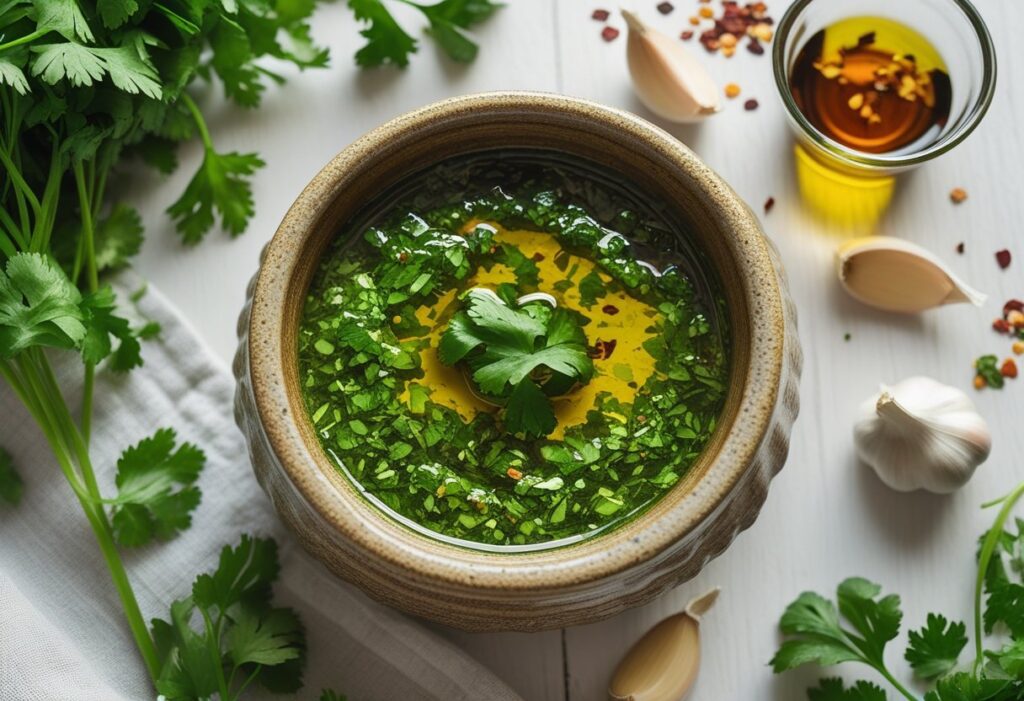
This simple chimichurri recipe with cilantro and parsley is the kind of sauce every home cook should master. Fresh, vibrant, and incredibly flavorful, it comes together in just 10 minutes using everyday ingredients. Made with fresh herbs, olive oil, garlic, and vinegar, this no-cook sauce delivers bold flavor without any complicated steps. Whether you’re cooking steak, chicken, seafood, or vegetables, this chimichurri instantly elevates your meal.
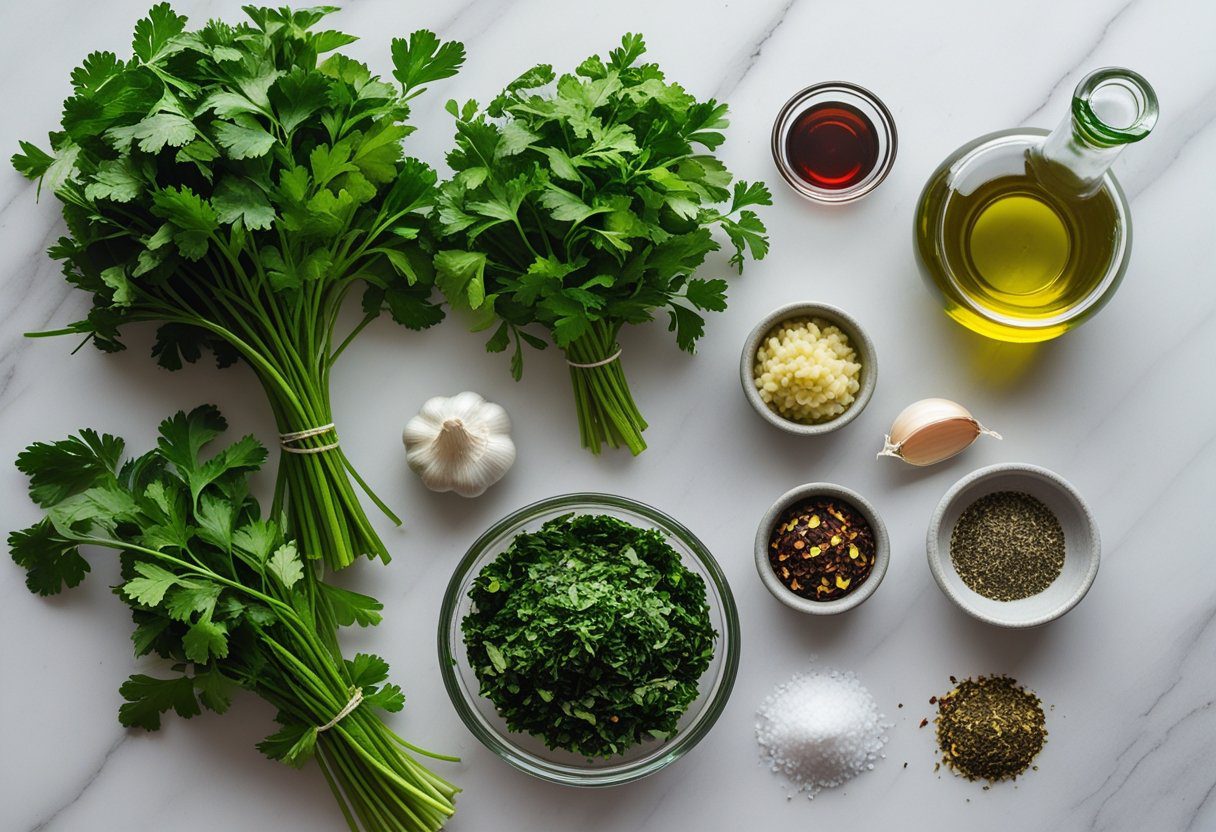
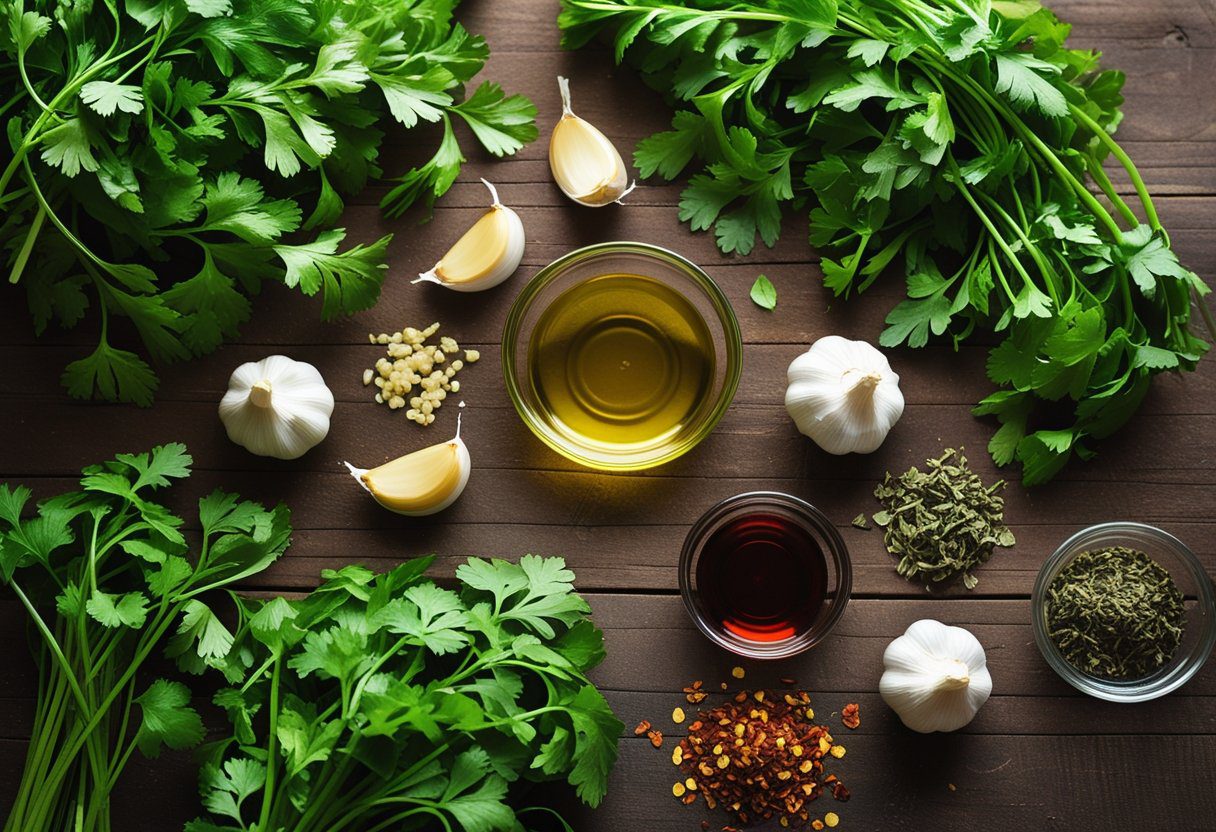
To make this fresh herb sauce, start by finely chopping fresh parsley and cilantro, which form the base of the chimichurri. Add minced garlic, dried oregano, red pepper flakes, salt, and black pepper for depth and subtle heat. Red wine vinegar provides the signature tangy kick, while extra virgin olive oil binds everything together into a smooth yet slightly chunky sauce. Letting the mixture rest for a few minutes allows the flavors to meld, resulting in a perfectly balanced chimichurri sauce with bright acidity and rich herbal notes.
This cilantro parsley chimichurri works beautifully as a grill sauce, marinade, or finishing drizzle. It pairs especially well with steak chimichurri, grilled chicken, roasted vegetables, and even tacos. Because it’s made with fresh ingredients and healthy fats, it’s also a lighter alternative to creamy sauces.
Easy to customize and quick to prepare, this recipe proves that bold flavor doesn’t require long cooking times. With the right balance of herbs, oil, and acidity, you’ll have a versatile sauce you’ll want to make again and again.
What Is Chimichurri Sauce?
Chimichurri is a fresh herb sauce traditionally associated with Argentine cuisine. At its core, it’s made with parsley, garlic, olive oil, vinegar, oregano, and chili flakes. The flavor profile is herbaceous, tangy, and slightly spicy, designed to complement grilled meats rather than overpower them.
Over time, home cooks and chefs alike have adapted the sauce. Adding cilantro introduces citrusy brightness and a more aromatic quality, making the sauce lighter and more versatile. This adaptation keeps the spirit of chimichurri intact while enhancing its appeal for modern kitchens.
Chimichurri is best described as a no-cook herb sauce that functions as a condiment, marinade, or finishing drizzle.
Why Use Cilantro and Parsley Together?
After testing countless herb ratios, I’ve found that combining cilantro and parsley creates a more balanced and dynamic sauce.
Parsley provides structure and freshness without dominating the palate. Cilantro contributes brightness, subtle citrus notes, and aroma. Together, they prevent the sauce from tasting flat or overly grassy.
This cilantro-parsley blend works exceptionally well for people who want bold flavor without heaviness. It also pairs better with a wider range of proteins and vegetables than parsley-only versions.
Simple Chimichurri Recipe Ingredients
1 cup fresh flat-leaf parsley, finely chopped
½ cup fresh cilantro, finely chopped
3 to 4 garlic cloves, minced
½ cup extra virgin olive oil
2 tablespoons red wine vinegar
1 teaspoon dried oregano
½ teaspoon red pepper flakes (adjust to taste)
¾ teaspoon salt
¼ teaspoon black pepper
Optional: 1 to 2 teaspoons fresh lemon or lime juice
Using fresh herbs and good-quality olive oil makes a noticeable difference in flavor.
Step-by-Step Instructions To Make Chimichurri Recipe
Step 1: Chop the Herbs
Finely chop the parsley and cilantro using a sharp knife. Avoid bruising the herbs, as this can make the sauce bitter. Hand-chopping gives chimichurri its ideal texture.
Step 2: Prepare the Garlic
Mince the garlic finely. Do not crush it into a paste, as overly aggressive garlic can overpower the sauce.
Step 3: Combine the Base
In a bowl, combine parsley, cilantro, garlic, oregano, red pepper flakes, salt, and black pepper. Stir gently to distribute the ingredients evenly.
Step 4: Add Vinegar and Olive Oil
Pour in the red wine vinegar first, followed by the olive oil. Stir slowly until everything is well combined.
Step 5: Rest the Sauce
Let the chimichurri sit for 5 to 10 minutes before serving. This allows the flavors to meld and soften, resulting in a more balanced sauce.
Food Processor vs Hand-Chopped Chimichurri
Both methods work, but the texture differs significantly.
Hand-chopped chimichurri has a rustic texture and cleaner herb flavor. It’s the preferred method when making small batches.
Food processor chimichurri is faster for large quantities but should be pulsed briefly. Over-processing turns the sauce into a paste, which is not ideal.
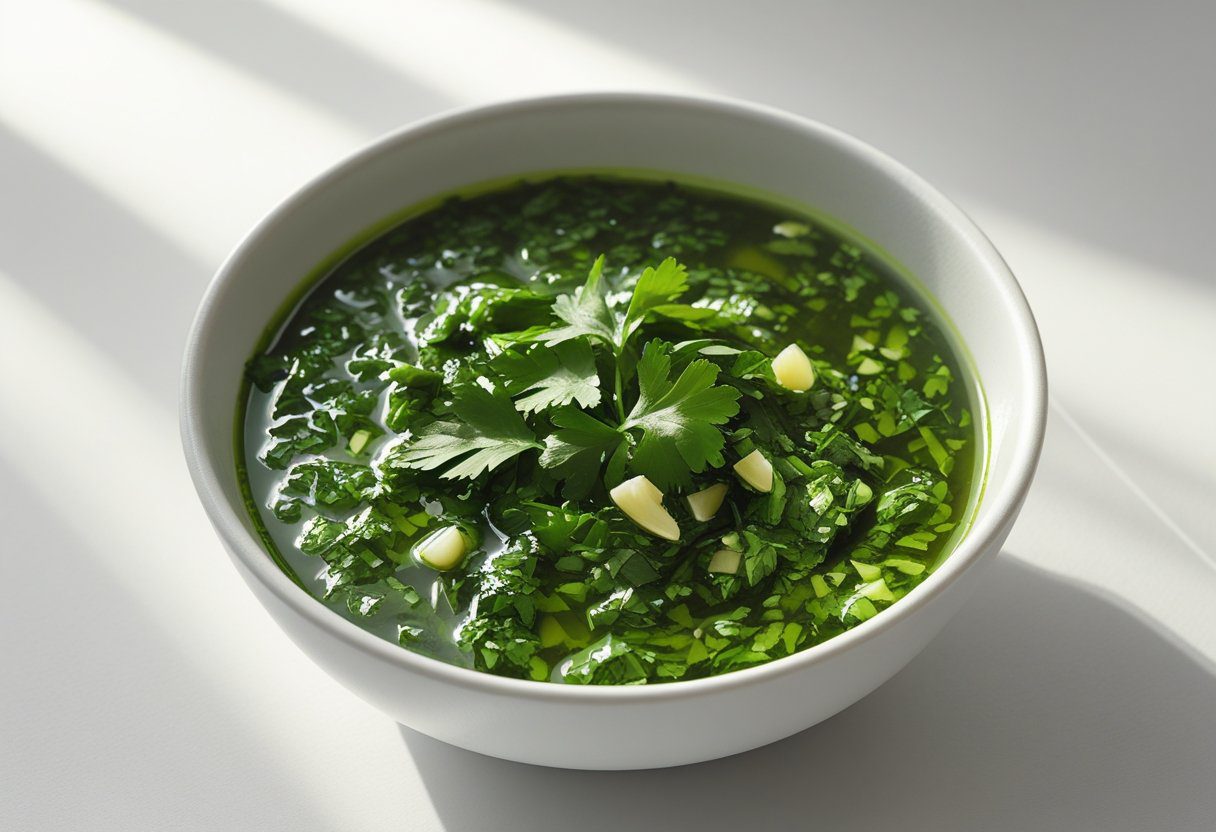
For best results, always aim for a spoonable, slightly chunky consistency.
Flavor Profile and Texture
This chimichurri delivers bright acidity from vinegar, herbal freshness from cilantro and parsley, subtle heat from red pepper flakes, and richness from olive oil. The sauce should taste lively and balanced, not oily or sharp.
If the flavor feels too strong initially, give it a few minutes to rest. Chimichurri improves as it sits.
Best Ways to Use Chimichurri Sauce
This sauce is extremely versatile and works across many dishes.
With proteins, it pairs beautifully with steak, grilled chicken, shrimp, fish, lamb, and beef skewers.
With vegetables, it enhances roasted potatoes, grilled zucchini, cauliflower, bell peppers, and mushrooms.
It also works well spooned over eggs, used as a sandwich spread, drizzled on tacos, or thinned into a fresh herb dressing.
Using Chimichurri as a Marinade
Chimichurri works best as a short marinade. For chicken or fish, 30 minutes is ideal. For beef, up to 2 hours is sufficient.
Avoid marinating overnight. The acidity can break down proteins too much and mute the fresh herb flavor.
Chimichurri Variations You Can Try
You can easily customize this recipe to suit your taste.
For lemon chimichurri, replace half the vinegar with fresh lemon juice.
For a mild version, reduce or omit the red pepper flakes.
For added depth, stir in finely chopped green onions or shallots.
For herb swaps, add small amounts of fresh oregano or thyme.
Storage and Make-Ahead Tips
Store chimichurri in an airtight container in the refrigerator for up to 5 days. Bring it to room temperature before serving to restore its texture and flavor.
If the olive oil solidifies in the fridge, that’s completely normal.
Nutritional Benefits
This simple chimichurri recipe is naturally dairy-free, gluten-free, and vegan. It’s made with antioxidant-rich herbs and heart-healthy olive oil, making it a lighter and cleaner alternative to creamy sauces.
Common Mistakes to Avoid
Over-blending the herbs
Using low-quality olive oil
Adding too much vinegar
Using wilted or old herbs
Freshness and balance are key to great chimichurri.
Frequently Asked Questions
Can I make chimichurri without cilantro?
Yes. You can use all parsley, but cilantro adds brightness and complexity.
Is this an authentic chimichurri recipe?
This is a modern variation inspired by traditional chimichurri.
Can chimichurri be frozen?
Freezing is not recommended because fresh herbs lose texture.
How long does chimichurri last in the fridge?
Up to 5 days when stored properly.
Can I use apple cider vinegar instead of red wine vinegar?
Yes, but red wine vinegar offers the best flavor balance.
Is chimichurri spicy?
It has mild heat. Adjust red pepper flakes as needed.
Can I use dried herbs instead of fresh?
Fresh herbs are essential for authentic flavor and texture.
Why does my chimichurri taste bitter?
This usually happens from over-processing or poor-quality olive oil.
Can chimichurri be used as salad dressing?
Yes. Thin it with extra olive oil or lemon juice.
Does chimichurri need sugar?
No. Chimichurri should be tangy and herb-forward.
Final Thoughts
This simple chimichurri recipe with cilantro and parsley proves that bold flavor doesn’t require complex cooking. In just 10 minutes, you get a fresh, vibrant sauce that elevates everyday meals and impresses without effort.