
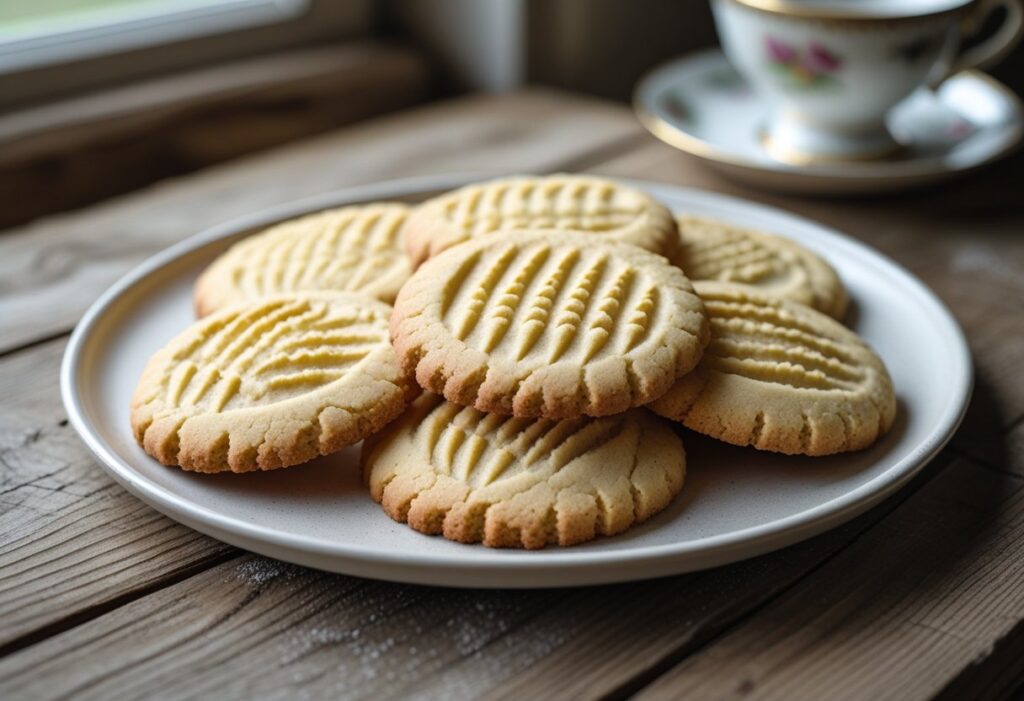
The Mary Berry Latest 3 Ingredients Cookies Recipe is a perfect example of how classic British baking proves that simplicity delivers the best results. Created by renowned baking expert Mary Berry, this recipe uses only butter, sugar, and flour to create rich, buttery cookies with a delicate shortbread-style texture. Ideal for beginners and experienced bakers alike, these cookies are quick to prepare and rely on proper technique rather than complicated ingredients.
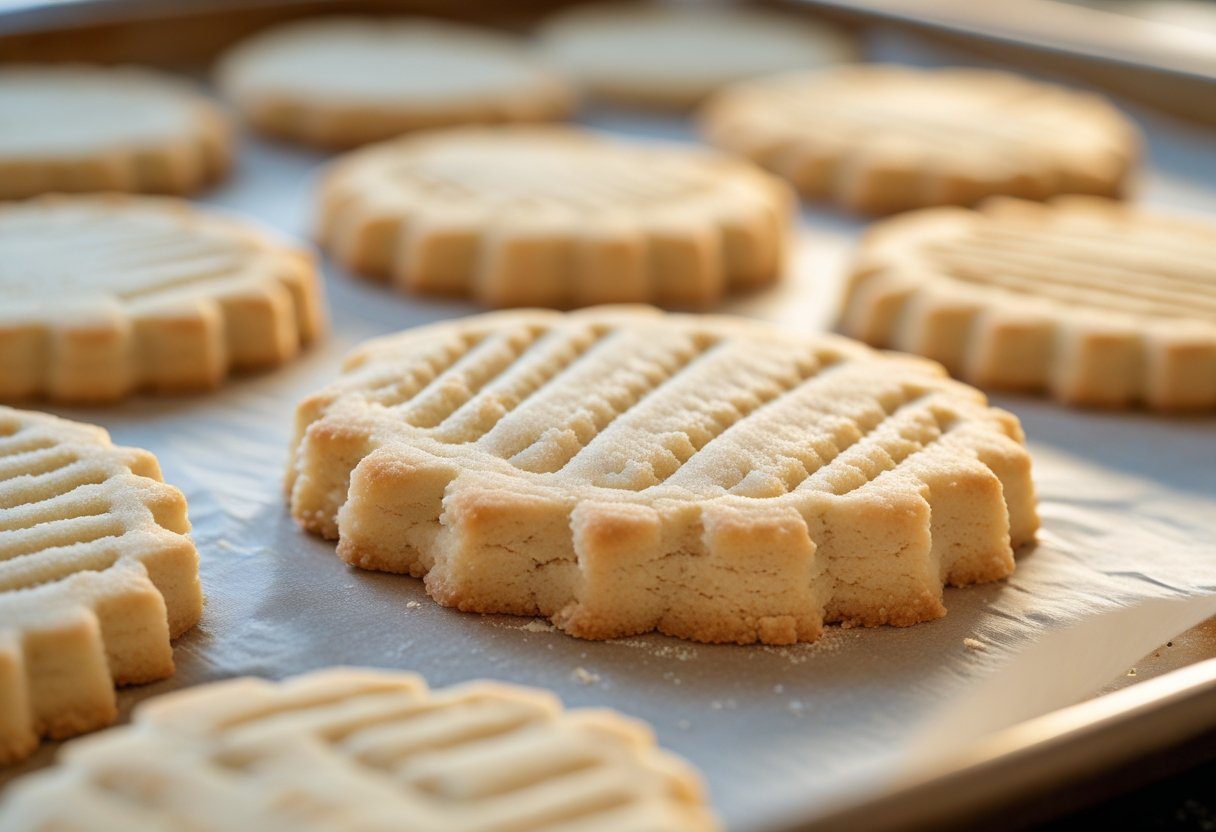
To make this easy cookie recipe, start by creaming softened unsalted butter with caster sugar until light and smooth. This step is essential for achieving a tender, melt-in-the-mouth crumb. Gradually add plain flour and mix gently until a soft dough forms—avoid overmixing, as it can make the cookies dense. Shape the dough into small balls, place them on a lined baking tray, and lightly flatten with a fork to create the traditional fork biscuit pattern.
Bake in a preheated oven until the edges turn pale golden while the centers remain soft. Once cooled, these homemade buttery cookies develop their signature crispness and classic flavor. This 3 ingredient cookie recipe is naturally egg-free, uses simple pantry staples, and pairs beautifully with tea or coffee.
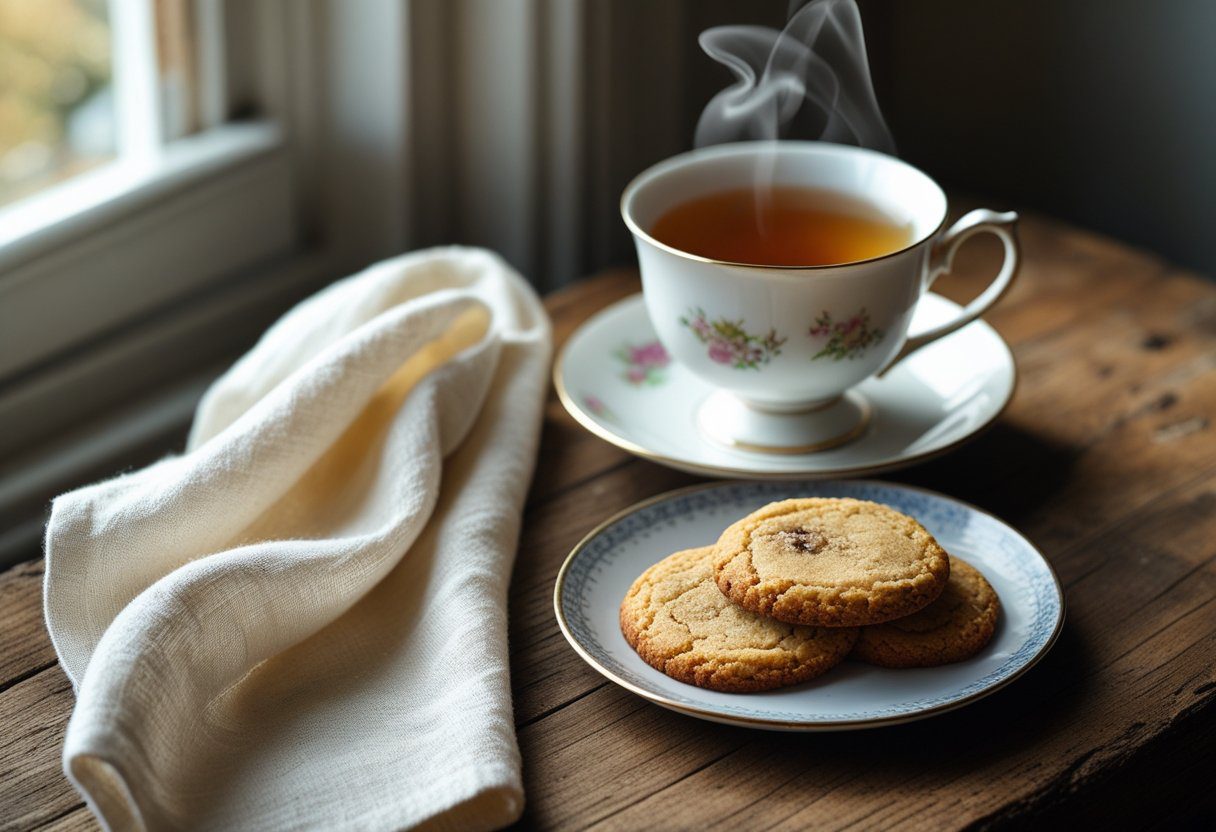
Perfect for quick baking, afternoon tea, or gifting, this traditional cookie recipe highlights why Mary Berry’s baking methods are timeless and trusted. complete recipe in given below
Why Mary Berry’s 3-Ingredient Cookies Are So Popular
Minimalist recipes are everywhere today, but Mary Berry was advocating simplicity long before it became a social media trend. This recipe stands out for several reasons:
- Uses basic pantry staples
- Requires no eggs or milk
- Delivers consistent, foolproof results
- Ideal for beginner bakers
- Perfect for tea time, gifting, or quick treats
From a baking science perspective, this recipe relies on proper fat-to-flour balance rather than extra ingredients for structure. That’s why, when followed correctly, the cookies hold their shape and develop that classic buttery crumble.
Ingredients Breakdown (Only 3, But Each Matters)
1. Butter
Butter is the backbone of this recipe. It provides:
- Flavor
- Tender texture
- Moisture
- Structure
Expert tip:
Use unsalted butter, softened but not melted. If the butter is too warm, the cookies will spread excessively during baking.
2. Sugar
Traditionally, caster sugar is used in British baking because it dissolves easily, creating a smoother dough.
- Adds sweetness
- Helps with browning
- Contributes to crisp edges
Granulated sugar can be used, but caster sugar produces a finer texture.
3. Plain Flour
Plain (all-purpose) flour provides structure without making the cookies tough.
- No baking powder needed
- Creates a shortbread-style crumb
- Keeps the flavor neutral and buttery
Mary Berry Latest 3 Ingredients Cookies Recipe (Step-by-Step)
Ingredients
- 225g unsalted butter (softened)
- 100g caster sugar
- 275g plain flour
Method
- Preheat your oven to 170°C (340°F). Line two baking trays with parchment paper.
- Cream the butter and sugar together until pale and smooth. This step traps air, giving the cookies a lighter texture.
- Add the flour gradually, mixing gently until a soft dough forms. Avoid overmixing.
- Shape the dough into small balls and place them on the tray, leaving space between each.
- Flatten lightly with a fork for the classic fork biscuit look.
- Bake for 15–20 minutes until pale golden at the edges.
- Cool on the tray for 5 minutes before transferring to a wire rack.
The result? Crisp edges, tender centers, and rich buttery flavor—exactly what you expect from a Mary Berry recipe.
Texture & Flavor Profile (What to Expect)
These cookies are often described as:
- Buttery
- Lightly crisp
- Melt-in-the-mouth
- Not overly sweet
- Shortbread-style
They’re not chewy American-style cookies. Instead, they reflect traditional British biscuit baking, designed to pair beautifully with tea or coffee.
Common Baking Mistakes (And How to Avoid Them)
Cookies Spread Too Much
- Butter was too warm
- Dough overworked
- Baking tray too hot
Fix: Chill the dough for 10–15 minutes before baking.
Cookies Too Dry
- Too much flour
- Overbaked
Fix: Use a kitchen scale and remove cookies when edges are just golden.
Dough Crumbly
- Butter too cold
- Flour added too quickly
Fix: Let butter soften fully and mix gently.
Why This Recipe Works (Baking Science Explained)
From a technical standpoint, this recipe succeeds because:
- High fat content limits gluten formation
- No eggs means less moisture fluctuation
- Sugar aids caramelization without overpowering flavor
- Flour ratio creates structure without toughness
This balance is exactly what Mary Berry is known for—recipes that respect baking fundamentals.
Variations That Still Respect the Original Recipe
While purists love the classic version, these subtle additions work beautifully:
- Vanilla extract (½ tsp)
- Lemon zest for freshness
- Chocolate chips (small amount)
- Cinnamon or nutmeg for warmth
Avoid heavy mix-ins that disrupt the dough’s structure.
Storage & Shelf Life
- Store in an airtight container at room temperature
- Keeps fresh for 5–7 days
- Dough can be frozen for up to 3 months
Perfect for make-ahead baking.
Nutrition Overview (Approximate)
Per cookie (depending on size):
- Calories: 110–130
- Fat: Moderate (from butter)
- Sugar: Low to moderate
- Protein: Minimal
These are indulgent but portion-friendly treats.
Why This Recipe Is Ideal for Beginners
- No special equipment required
- Easy to troubleshoot
- Teaches core baking techniques
- Builds confidence quickly
It’s often one of the first recipes I recommend to new bakers.
FAQs – Mary Berry Latest 3 Ingredients Cookies Recipe
1. Are these the same as Mary Berry’s fork biscuits?
Yes, this recipe is commonly known as fork biscuits due to the fork-pressed pattern.
2. Can I use margarine instead of butter?
Butter is strongly recommended for flavor and structure.
3. Do these cookies contain eggs?
No, this is a no-egg cookie recipe.
4. Can I make them gluten-free?
Yes, with a good gluten-free plain flour blend.
5. Why are my cookies pale?
They are meant to be lightly golden, not deeply browned.
6. Can I reduce the sugar?
Slightly, but it may affect texture and browning.
7. How thick should I make the cookies?
Flatten lightly—about 1 cm thick is ideal.
8. Can kids help make this recipe?
Absolutely. It’s safe, simple, and fun.
9. Are these suitable for gifting?
Yes, they store well and travel easily.
10. Why does Mary Berry prefer simple recipes?
Her philosophy focuses on mastering fundamentals rather than relying on excess ingredients.
Final Thoughts from Experience
After years of testing, adapting, and teaching recipes, I can confidently say the Mary Berry latest 3 ingredients cookies recipe isn’t popular by accident. It’s popular because it works—every time.
It teaches restraint, technique, and respect for ingredients. Whether you’re baking for the first time or returning to the kitchen after years away, this recipe is a reminder that simple baking done well is always in style.
If you’re building a recipe blog or growing authority in the baking niche, this is exactly the kind of content—and recipe—that earns trust, saves time, and keeps readers coming back.