




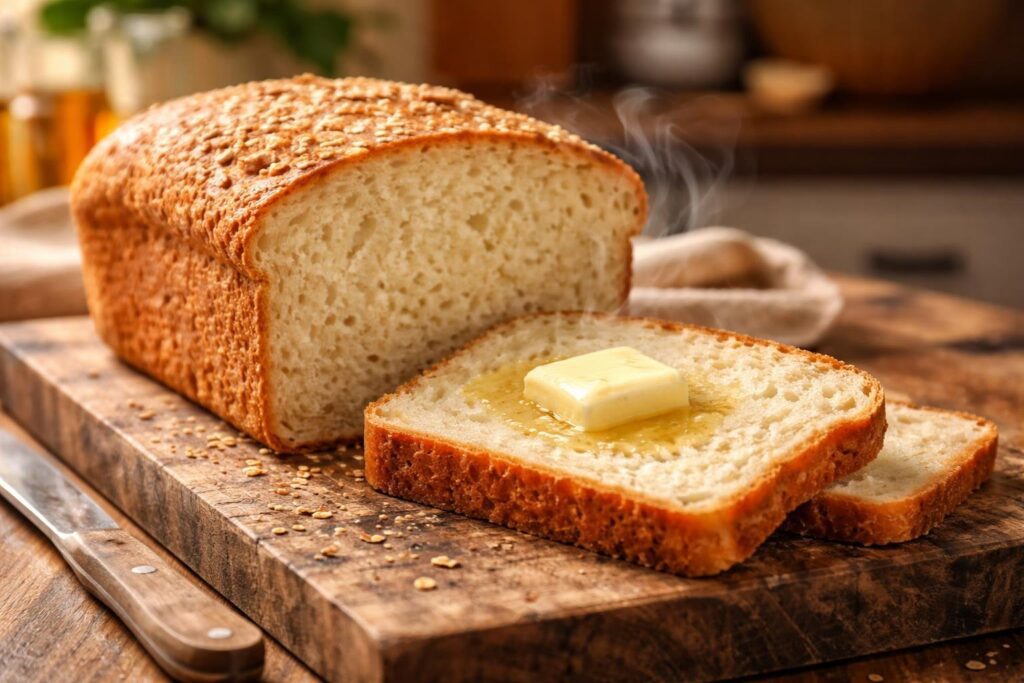
If you’ve ever tried gluten-free bread before and thought, “Why does it taste like cardboard?” — you’re definitely not alone. Many people who switch to gluten-free eating struggle the most with bread. It’s one of those foods we all miss deeply: soft slices for breakfast, warm sandwiches, or a simple toast with butter.

But here’s the good news—gluten free bread that tastes good is absolutely possible. In fact, with the right ingredients, techniques, and a little patience, you can make bread at home that is soft, fluffy, and honestly better than store-bought versions.
In this guide, you’ll learn everything step-by-step—from ingredients to baking secrets—so you can finally enjoy bread again without compromise.
Soft gluten free bread recipe – Why most homemade bread fails
Before jumping into recipes, let’s understand something important: why does gluten-free bread often fail?
Gluten is what gives traditional bread its structure, elasticity, and chewiness. When you remove it, the bread can become dry and crumbly, dense like a brick, lacking flavor, and quick to fall apart.
I still remember the first time I tried baking gluten-free bread at home. It came out so hard that I jokingly called it “fitness bread” because it could double as a dumbbell. That failure actually taught me a lot.
The truth is, making gluten free bread that tastes good is not about one magic ingredient—it’s about balance. You need structure, moisture, and flavor working together.
Homemade gluten free bread – Key ingredients that change everything
If you want bakery-style results, you need the right foundation.
Gluten-free flour blends such as rice flour, tapioca starch, potato starch, and almond flour help create structure and softness. Binding agents like xanthan gum and psyllium husk give elasticity so the bread doesn’t fall apart. Moisture boosters such as eggs, yogurt, olive oil, or melted butter prevent dryness. Flavor enhancers like honey, maple syrup, salt, and apple cider vinegar improve both taste and texture.
When these ingredients come together correctly, you are already halfway to making gluten free bread that tastes good.
Almond flour bread – Step-by-step baking method for beginners
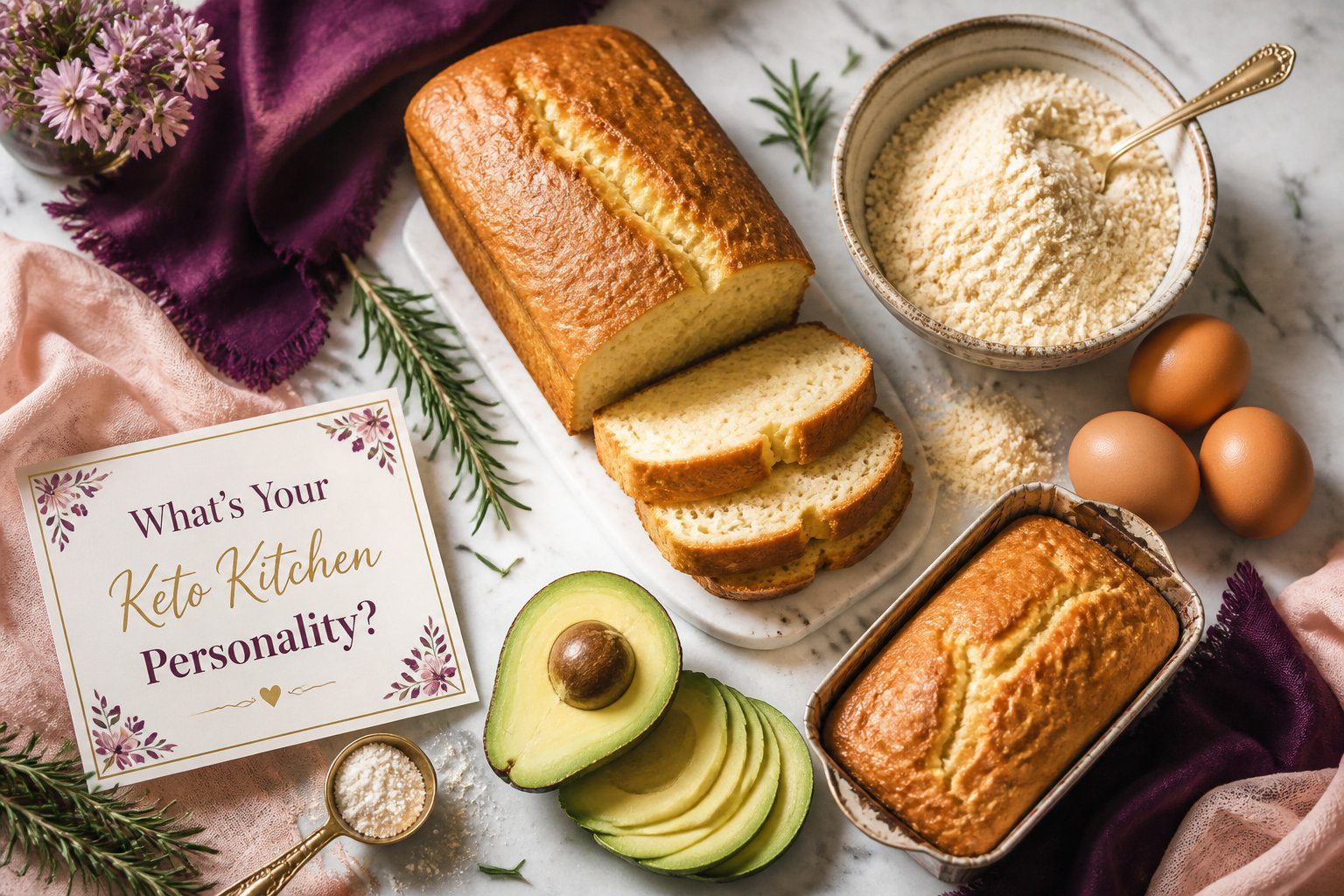
Start by mixing your dry ingredients in a bowl: gluten-free flour blend, almond flour, baking powder, salt, and xanthan gum. Mix well so everything is evenly distributed.
In another bowl, whisk eggs, warm water or milk, olive oil, honey, and apple cider vinegar until smooth.
Slowly combine wet ingredients into dry ingredients. The batter will be thicker than pancake batter but softer than traditional dough.
Let the mixture rest for 10–15 minutes so the flours can absorb moisture.
Pour into a lined loaf pan and bake at 180°C (350°F) for 35–45 minutes. The top should turn golden brown.
Let it cool completely before slicing to maintain structure.
Dairy free bread – Common mistakes and how to avoid them
One major mistake is skipping binding agents like xanthan gum or psyllium husk, which leads to collapse. Another is overmixing, which affects texture. Using incorrect flour ratios, especially too much almond flour, can make bread dense. Not allowing the bread to cool properly can ruin the final texture.
Avoiding these mistakes significantly improves your chances of making gluten free bread that tastes good.
Gluten free baking tips – Secrets from real kitchen experience
Adding steam in the oven helps create a softer crust. Always use room temperature ingredients for better rise. Letting the dough rest improves structure. Storing bread properly in airtight containers keeps it fresh longer.
Small adjustments like adding yogurt can also dramatically improve softness and taste.
Bread without gluten taste – How to improve flavor naturally
To avoid bland taste, add herbs like rosemary or oregano for savory bread. Garlic powder enhances flavor. Cinnamon works well for sweet versions. Olive oil adds richness. Toasting slices before eating also improves taste and texture.
Flavor is what transforms basic bread into something enjoyable, making gluten free bread that tastes good a reality in everyday life.
Step-by-step beginner story – From failure to success
A friend once switched to gluten-free diet and struggled with bread. Her early attempts failed repeatedly—loaves collapsed or turned too dense. But she kept experimenting.
Eventually, after following a structured recipe and paying attention to resting time, she baked a perfect loaf. It was soft, fluffy, and satisfying.
That moment showed her that gluten free bread that tastes good is achievable with patience and practice.
Homemade gluten free bread – Storage and freshness tips
Store bread at room temperature for up to 2–3 days, refrigerate for a week, or freeze slices for long-term use. Freezing sliced bread makes it easier to toast only what you need without waste.
Soft gluten free bread recipe – Final thoughts and encouragement
Making gluten-free bread takes practice, but it becomes easier with time. Once you understand ingredient balance and avoid common mistakes, success becomes much more consistent.
With the right approach, gluten free bread that tastes good can become a regular part of your kitchen instead of a rare success.