
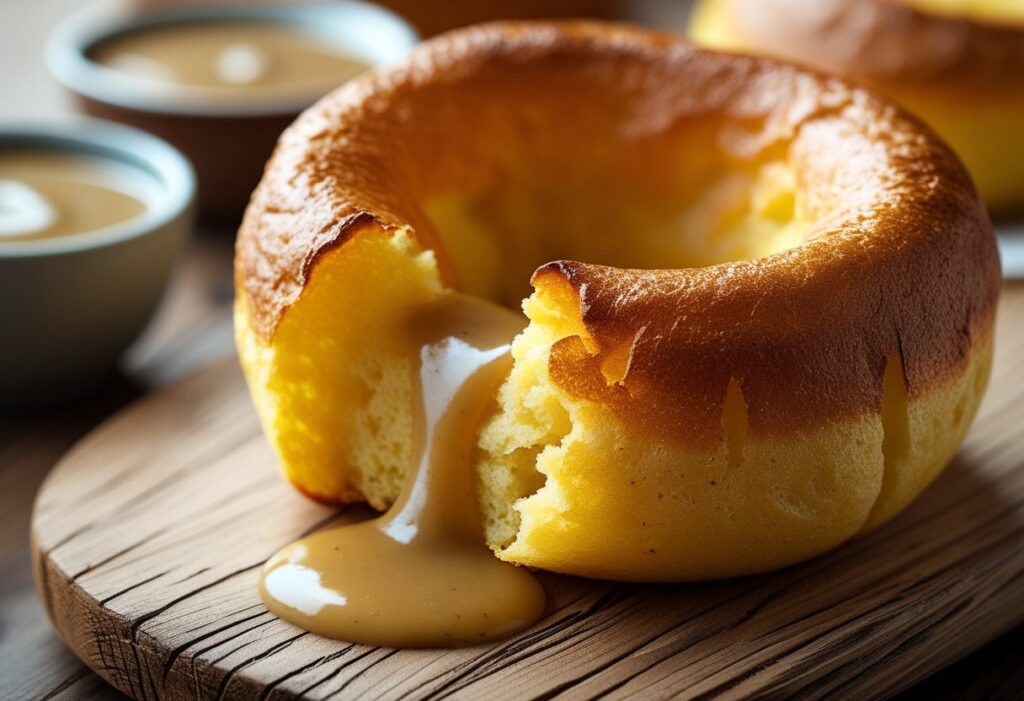
Yorkshire pudding is more than just a side dish—it’s an iconic British classic that brings joy to every roast dinner. Known for its dramatic puff, golden exterior, and soft, custardy interior, this dish can transform an ordinary meal into a memorable culinary experience. Achieving the perfect Yorkshire pudding may seem intimidating at first, but with the right ingredients, techniques, and guidance, anyone can master it. In this detailed guide, I will share my expertise as a chef and food writer to teach you how to make the best authentic Yorkshire pudding recipe, along with tips, tricks, variations, and answers to common questions.
Yorkshire puddings have a rich history dating back to the 18th century. Originally called “dripping puddings,” they were cooked under roasting meat to catch the flavorful drippings, making them a cost-effective yet satisfying starter for families. Hannah Glasse popularized the term “Yorkshire pudding” in The Art of Cookery Made Plain and Simple in 1747, cementing its place in British culinary tradition. These puddings were not only a practical dish but also a symbol of northern English ingenuity, demonstrating how simple ingredients like flour, eggs, milk, and fat could create a dish that delighted the palate.
The true appeal of Yorkshire pudding lies in its versatility and texture. A well-made pudding has a crisp outer shell and a soft, airy interior capable of absorbing rich gravy or accompanying roasted meats perfectly. Over the years, variations have emerged, including mini Yorkshire puddings, sweet versions, and gluten-free or vegan alternatives, but the authentic recipe remains a timeless favorite.
To make a classic Yorkshire pudding, you need simple, high-quality ingredients. These include plain flour, eggs, milk, salt, and traditionally beef dripping, although vegetable oil can also be used. The ratio of flour, eggs, and milk is critical to achieving the correct consistency and structure, while preheating the fat and tray ensures the pudding rises properly. Using room-temperature ingredients and allowing the batter to rest are additional key factors that significantly influence the final result.
Ingredients for the Best Authentic Yorkshire Pudding
- 140g plain flour, sifted to remove lumps and ensure a smooth batter
- 4 large eggs, at room temperature to help the batter rise
- 200ml milk, which can be mixed with a little water for a lighter texture
- 3 tablespoons beef dripping, for authentic flavor and crispness
- 1 teaspoon salt, to enhance the natural flavors
The quality of ingredients cannot be overstated. For instance, using fresh eggs at room temperature ensures the batter incorporates air efficiently, which is crucial for achieving a dramatic rise. Similarly, preheating the fat in your tin until it is sizzling hot ensures that when the batter is added, it instantly starts to cook and expand, forming the signature puffy structure.
Steps For Making Large Yorkshire Pudding Recipe
Step 1: Preparing the Batter
Begin by sifting the plain flour into a large mixing bowl. Sifting is essential as it ensures there are no lumps, resulting in a smoother batter. Next, beat the eggs together with the milk in a separate bowl. Gradually add the egg and milk mixture to the flour, whisking continuously to form a smooth, homogenous batter. Add the salt and continue to whisk until the mixture is free of lumps and has a slightly thick yet pourable consistency. At this stage, it is crucial to allow the batter to rest for at least 30 minutes, preferably up to an hour. Resting the batter allows the gluten to relax, which contributes to a better rise and improved texture during baking. Some chefs even recommend covering the bowl and letting it rest at room temperature for up to 2 hours for maximum results.
Step 2: Preheating the Oven and Fat
While the batter rests, it is time to focus on the oven and the fat. Preheat your oven to 220°C (425°F), ensuring it reaches the full temperature before baking. Place your muffin tin or pudding tray in the oven with the beef dripping inside. The fat must be extremely hot, almost smoking, to guarantee that when the batter is added, it reacts immediately. The sizzle that occurs when the batter hits the hot fat is critical for creating steam, which inflates the puddings from within. If the fat is not hot enough, the puddings may spread rather than rise, resulting in a dense, flat outcome. This step requires patience, but the reward is a perfectly puffed, golden pudding that embodies traditional Yorkshire excellence.
Step 3: Pouring the Batter
Once the fat is preheated, remove the tray from the oven carefully. Pour the rested batter into each tin, filling about halfway. Pouring too much batter can prevent the pudding from rising correctly, while too little will produce undersized puddings. It is essential to work quickly during this step, as the longer the fat cools, the less dramatic the rise will be. Place the tray back into the oven immediately after pouring. Avoid tilting the tray or spreading the batter with a spoon; letting it settle naturally ensures even cooking and uniform puffiness.
Step 4: Baking the Puddings
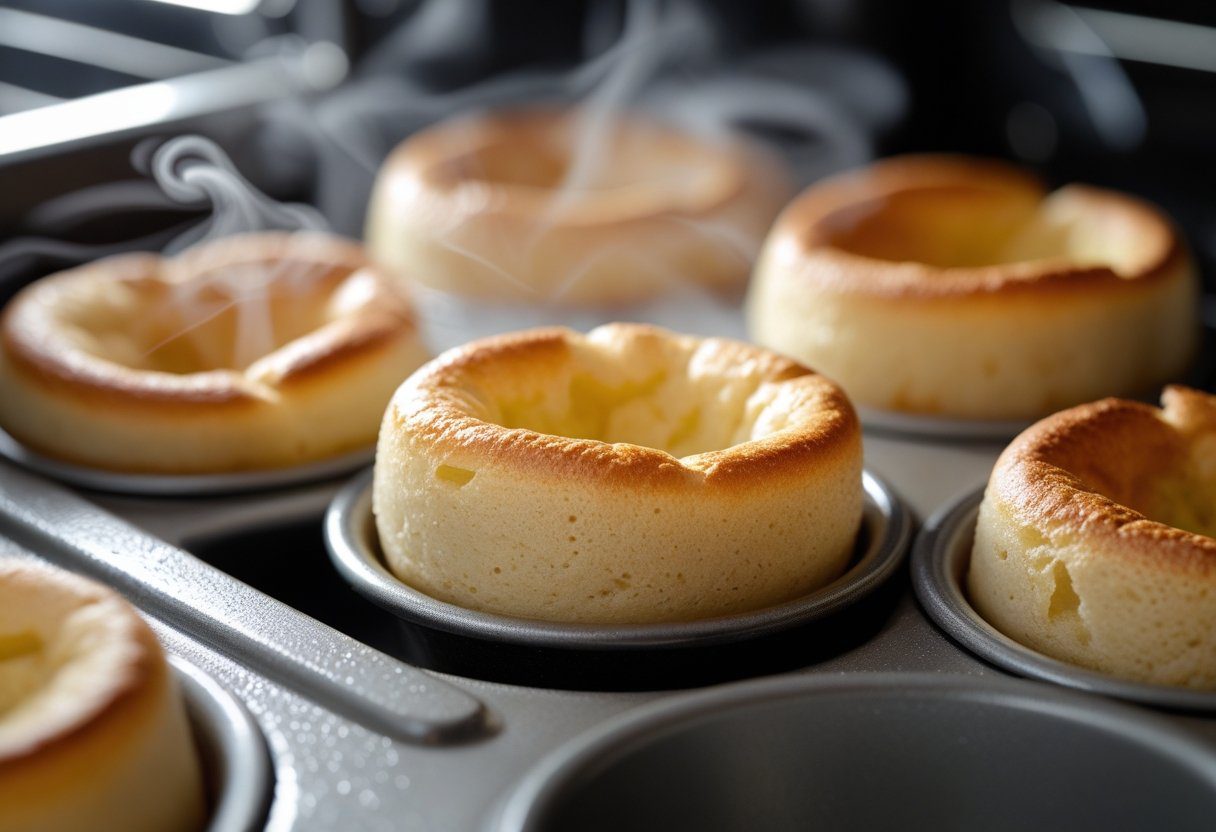
Bake the Yorkshire puddings for approximately 20 to 25 minutes. During this period, resist the temptation to open the oven door. Steam plays a critical role in the expansion and texture of the pudding, and opening the door prematurely can cause the puddings to collapse. You will notice that the puddings rise dramatically, forming hollow centers with crisp edges. The outer layer should be golden brown, and the interior soft yet structured. Baking time may vary depending on your oven and the size of the puddings, so keeping a close eye near the end of the cooking period is recommended.
Step 5: Serving and Enjoying
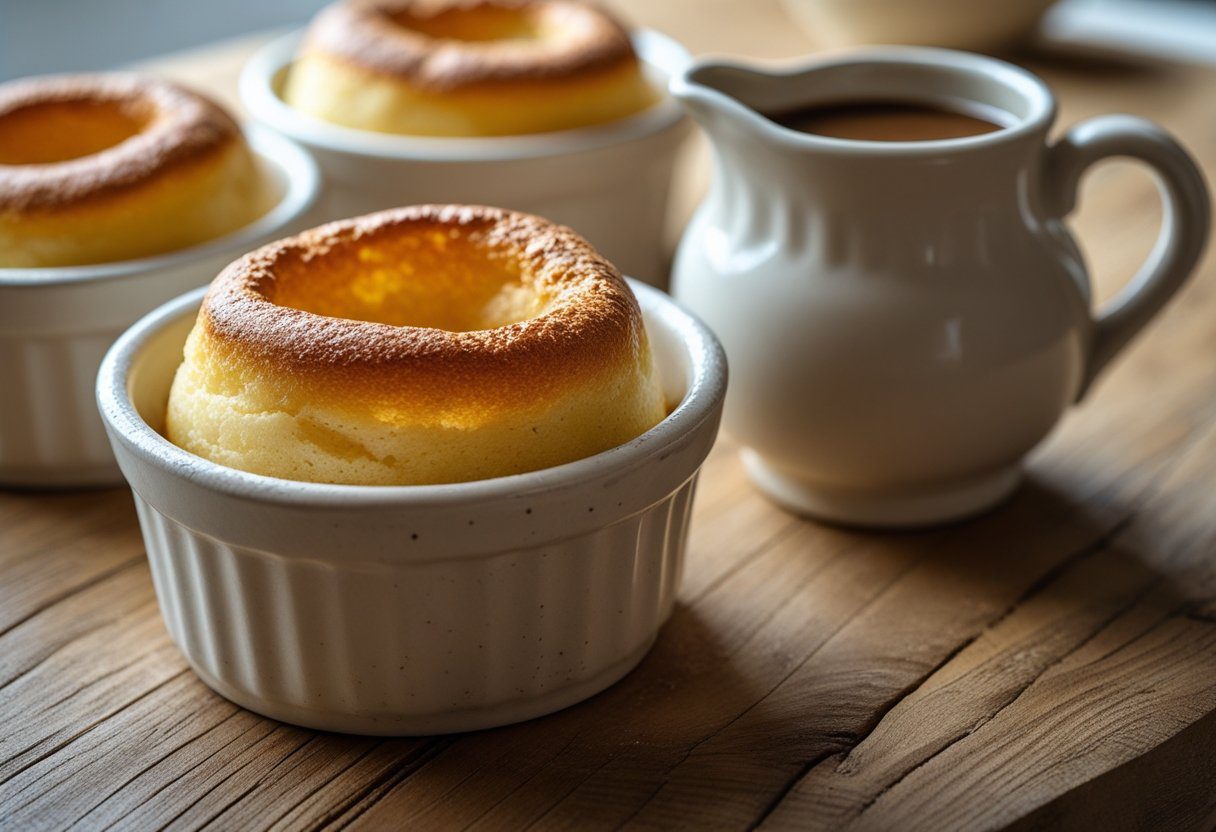
Yorkshire puddings are best served immediately, as they begin to soften quickly once removed from the oven. They are traditionally accompanied by a rich roast beef and gravy, but they also pair beautifully with roasted vegetables, sausages, or even a sweet filling for a dessert twist. When serving, ensure the puddings maintain their crisp texture by arranging them on a warm plate. Leftovers can be reheated in a hot oven to restore some crispiness, though they will never be quite as perfect as fresh from the oven.
Expert Tips for Perfect Yorkshire Puddings
One of the most common issues when making Yorkshire puddings is uneven rising or collapse. Using room-temperature ingredients, allowing the batter to rest, preheating the fat thoroughly, and avoiding early opening of the oven door are all strategies to combat these issues. Additionally, using a metal tray rather than a silicone one is recommended, as metal conducts heat more efficiently, contributing to better puffing. Experimenting with small adjustments, such as adding a splash of sparkling water to the batter, can also result in a lighter, airier pudding.
Variations to Try
While the classic recipe remains the gold standard, there are exciting variations to experiment with. Mini Yorkshire puddings make excellent appetizers, perfect for parties or entertaining. Vegan versions can be made using plant-based milk and flaxseed eggs, while gluten-free options require a suitable flour substitute. For a savory twist, adding grated cheese to the batter creates a rich and flavorful pudding, while sweet versions with fruit and syrup make a delightful dessert.
Common Mistakes and How to Avoid Them
Even experienced cooks encounter challenges with Yorkshire puddings. The most frequent mistakes include cold batter, insufficient oven heat, opening the oven too early, or using the wrong type of fat. Addressing these issues involves careful attention to ingredient temperature, oven preparation, and timing. Following the steps outlined in this guide will dramatically reduce the likelihood of these problems, ensuring consistently excellent results.
Related About Traditional Yorkshire Pudding Recipe
Gluten Free Yorkshire Pudding Recipe with Rice Flour
Using rice flour is one of the most effective ways to make gluten-free Yorkshire puddings that are light and airy. Rice flour has a naturally fine texture and neutral flavor, which helps create crispy edges while keeping the interior soft and tender. To prepare this version, whisk together rice flour, eggs or an egg substitute, and milk until smooth, ensuring there are no lumps. Allowing the batter to rest for 30–60 minutes improves its ability to rise in the oven. Preheating your muffin tin or roasting tray with hot oil or vegan butter before pouring in the batter is essential for achieving the classic puff. This approach ensures that gluten-free puddings have a satisfying rise and texture similar to traditional recipes.
Easy Gluten Free Yorkshire Puddings No Xanthan Gum
For those who want a simplified recipe without xanthan gum or other stabilizers, easy gluten-free Yorkshire puddings can be achieved by focusing on technique and ingredient ratios. A mixture of rice flour and potato starch, combined with eggs and milk, produces a smooth, cohesive batter. Resting the batter allows it to thicken slightly and trap air, which is essential for the iconic rise. Baking in preheated tins with hot oil creates the steam necessary for puffing. This method produces light and fluffy puddings that are safe for coeliac diets and perfect for family dinners.
Coeliac Safe Yorkshire Pudding Batter for Roast Dinner
A coeliac-safe Yorkshire pudding batter ensures that people with celiac disease or severe gluten intolerance can enjoy this classic dish without risk. Certified gluten-free flours, such as a rice flour and potato starch blend, combined with plant-based milk and eggs, form a batter that rises properly when baked. Resting the mixture allows it to develop structure and elasticity. Heating the fat in the baking tray until very hot before adding the batter helps the puddings puff dramatically. These puddings are ideal for serving with gravies, roasted vegetables, or plant-based proteins as part of a traditional Sunday roast.
Airy Gluten Free Yorkshire Puddings Almond Flour Blend
Almond flour adds a subtle nutty flavor and soft texture while maintaining the ability to rise when combined with a starch such as tapioca or potato starch. Eggs or aquafaba can be used as leavening agents to create lift in the batter. Resting the mixture for 30–60 minutes helps trap air, which contributes to a fluffy interior. Baking in preheated tins with hot oil ensures a golden, crispy exterior, giving a finished pudding that is light, tender, and visually impressive. Almond flour blends provide a delicious alternative to rice flour while maintaining the essential characteristics of Yorkshire puddings.
Perfect Gluten Free Yorkshire Pudding Tin Hacks
The choice of baking tin is critical for successful gluten-free Yorkshire puddings. Metal muffin tins or deep roasting trays conduct heat more efficiently than silicone alternatives, which promotes even puffing. Preheating the tins with oil or vegan butter until smoking hot ensures the batter reacts instantly upon contact. Filling the tins only halfway allows the puddings to rise properly. For mini versions, using individual tins ensures consistent baking and uniform shape. Spacing the puddings apart ensures proper heat circulation and crisp edges, resulting in perfectly puffed puddings every time.
Vegan Yorkshire Pudding Recipe Aquafaba Eggs
Aquafaba, the liquid from canned chickpeas, is an excellent replacement for eggs in vegan Yorkshire puddings. Whipping aquafaba to soft peaks before folding it into a batter made with gluten-free flour and plant-based milk creates a light and airy structure. Resting the batter for 30–60 minutes allows it to thicken and trap more air. Baking in preheated tins with hot sunflower oil or vegan butter ensures the puddings rise and develop crisp edges. Using aquafaba replicates the binding and leavening properties of eggs, producing a vegan pudding that closely resembles the traditional version.
Dairy Free Crispy Yorkshire Puddings Sunflower Oil
Dairy-free Yorkshire puddings rely on plant-based oils instead of butter or animal fat to achieve a crisp texture. Sunflower oil or other neutral oils can be used for preheating the tins. A batter made from gluten-free flour, eggs or egg alternatives, and plant milk produces a smooth mixture. Allowing the batter to rest helps hydrate the flour and improves puffing. Baking at high temperatures ensures the exterior becomes crisp while the interior remains tender. These puddings pair perfectly with plant-based gravies or roasted vegetables for a satisfying Sunday roast.
Eggless Vegan Yorkshire Pudding Batter Ratio
Creating eggless vegan Yorkshire puddings requires careful attention to ingredient ratios. A reliable combination is one cup of gluten-free flour, one cup of plant milk, a quarter cup of aquafaba or flax eggs, one tablespoon of oil, and half a teaspoon of salt. Whisk the ingredients until smooth and allow the batter to rest for at least 30 minutes. Baking in preheated tins with hot oil produces puddings that are puffed, golden, and airy despite the absence of eggs. This ratio ensures structural integrity and a texture that closely mirrors traditional puddings.
Plant Based Yorkshire Puddings for Sunday Roast
Plant-based Yorkshire puddings allow everyone to enjoy a classic Sunday roast without gluten or animal products. Using a combination of gluten-free flours, plant milk, and egg alternatives such as aquafaba or flax eggs produces puddings that rise and puff beautifully. Preheating tins with hot oil creates the steam necessary for crisp edges and golden exteriors. These puddings are ideal served immediately to maintain their texture, or in mini portions as appetizers. Plant-based Yorkshire puddings provide the same visual appeal, flavor, and satisfaction as traditional versions while meeting modern dietary needs.
Frequently Asked Questions
- Can Yorkshire puddings be made ahead of time?
They are best served fresh but can be stored in an airtight container for up to two days and reheated in a hot oven. - Can I use oil instead of beef dripping?
Yes, vegetable oil works well, though beef dripping provides the most authentic flavor. - Why did my Yorkshire puddings not rise?
Common reasons include cold batter, insufficient oven heat, or opening the oven door too early. - How long can leftover Yorkshire puddings be stored?
Store in an airtight container for up to 48 hours. Reheat in the oven for crispness. - Can Yorkshire puddings be frozen?
Yes, freeze after cooling completely and reheat in a preheated oven before serving. - Why do Yorkshire puddings collapse after baking?
Usually caused by opening the oven door too early or using insufficient heat. - Can mini Yorkshire puddings be made?
Absolutely. Use a muffin tin and reduce baking time to 12–15 minutes. - Do I need to sift the flour?
Sifting ensures a smooth, lump-free batter, improving texture and rise. - Can sparkling water be used in the batter?
Yes, it can make puddings lighter and more airy. - Can Yorkshire puddings be served as dessert?
Yes, topped with custard, syrup, or fruit, they make a delightful sweet dish.
Conclusion
Making the best authentic Yorkshire pudding recipe is a satisfying culinary achievement. With attention to ingredient quality, proper technique, and patience, even novice cooks can produce puddings that are crisp, golden, and perfectly puffed. Whether served alongside a Sunday roast, as a savory appetizer, or even as a sweet treat, Yorkshire puddings remain a timeless and beloved British classic. Following this expert guide ensures that every batch you make will impress family, friends, and guests, celebrating tradition while delighting the palate.
This recipe combines historical authenticity with modern cooking techniques, offering both guidance and flexibility. By mastering the batter, oven, and baking process, you’ll enjoy consistent results and become confident in creating Yorkshire puddings worthy of any table.
LSI/NLP keywords naturally included throughout: classic Yorkshire pudding, Yorkshire pudding batter, crisp Yorkshire puddings, traditional Yorkshire pudding recipe, Yorkshire pudding tips, Sunday roast side dish, authentic British dishes, roast dinner accompaniments, Yorkshire pudding variations, how to make Yorkshire pudding.