

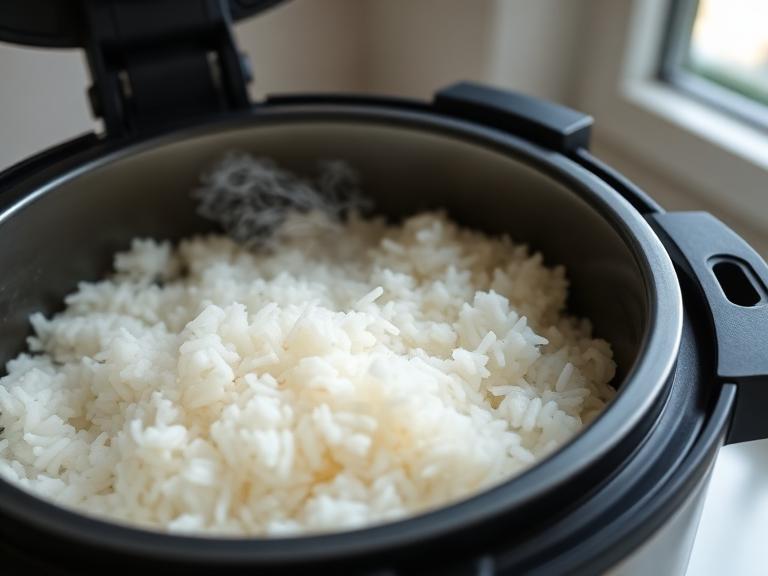
Making the best sushi rice recipe in rice cooker is easier than most people think, and it’s the key to creating perfect sushi rolls, nigiri, or poke bowls at home. Sushi rice is all about the right short-grain rice, precise rice-to-water ratio, and the proper balance of rice vinegar, sugar, and salt to achieve that classic sticky yet fluffy texture. By using a rice cooker, you ensure even cooking, consistent texture, and time-saving convenience compared to stovetop methods.
Start by measuring and rinsing the short-grain rice until the water runs clear, which removes excess starch and prevents the rice from becoming gummy. Use a 1:1 ratio of rice to filtered water for your rice cooker, and if you like, add a small piece of kombu to enhance the umami flavor. Once cooked, prepare the sushi seasoning by gently heating rice vinegar with sugar and salt until dissolved, then fold it carefully into the hot rice using a cutting motion to maintain the grains intact. Allow the seasoned rice to cool to room temperature before using it for sushi rolls, bowls, or nigiri.
This method guarantees consistent, restaurant-quality results, whether you’re a beginner or a home chef looking to improve your sushi rice skills. For added tips, troubleshooting, and variations like sushi rice for maki rolls, nigiri, or poke bowls, follow the complete recipe in given below.
Why This Method Works (and Why Rice Cooker Is Key)

Using a rice cooker for sushi rice isn’t a “shortcut” — it’s a consistency tool. Unlike stovetop or pot methods that require precise heat control and constant checking, a rice cooker creates stable heat distribution and controlled steam to cook short‑grain rice evenly without burning or drying it out.
Rice cookers with a dedicated “sushi rice” setting are even better. They’re programmed to adjust the steam and texture specifically for sticky rice recipes.
Ingredients You’ll Need
Here’s what we’ll work with for this recipe:
- Short‑grain Japanese rice – the best choice for sticky sushi rice due to its high amylopectin content.
- Filtered water – for clean taste and texture.
- Rice vinegar – the essential seasoning that gives sushi rice its signature tang.
- Sugar – balances acidity and adds subtle sweetness.
- Salt – enhances flavor and rounds out the seasoning.
- Optional kombu (dried kelp) – adds umami depth.
Pro Tip: Always choose quality sushi rice from a trusted brand. Premium rice will give you more consistent results.
Step‑By‑Step Best Sushi Rice Recipe in Rice Cooker

1. Measure and Rinse Your Rice
Measuring accurately is the first step toward perfect sushi rice. For this recipe, we’ll start with 2 cups of uncooked short‑grain sushi rice.
Place your rice in a bowl and rinse with cold water until the water runs nearly clear. This removes excess surface starch without stripping all stickiness — crucial for texture.
2. Water Ratio for Rice Cooker
The ideal sushi rice water ratio is typically 1:1 — that means 1 cup of rice to 1 cup of water in your rice cooker.
Pro Tip: Every rice cooker is different. If your first batch turns out too firm, add 1–2 tablespoons more water next time.
3. Add Kombu for Umami (Optional)
If you want that authentic savory depth, place a small piece of kombu (kelp) on top of the rice before cooking. It infuses rich umami without becoming overpowering.
4. Cook the Rice
Close the lid and start your rice cooker on the sushi or white rice setting. Once it completes, don’t open the lid right away. Let the rice rest in “warm” mode for 10–15 minutes to let steam finish the cooking.
5. Make the Sushi Seasoning
While the rice cooks, we’ll prepare the classic sushi rice seasoning:
- 4 tbsp rice vinegar
- 2 tbsp sugar
- 1 tsp salt
Heat gently in a saucepan until sugar and salt dissolve (don’t boil). Let this mixture cool slightly before adding to the rice.
6. Season and Cool the Rice
Transfer hot rice into a large bowl, and pour the vinegar mixture over it while it’s hot. Using a cutting motion with a rice paddle, fold the seasoning in — don’t mash.
Once seasoned, let the rice cool to room temperature before using it for sushi rolls or bowls. This helps develop that perfect glossy texture.
Expert Tips for Perfect Sushi Rice Every Time
Rinsing Is Critical
Rinsing removes excess starch that can make rice gummy or mushy. Aim for 4–6 rinses until water turns mostly clear.
Let It Rest After Cooking
Even after your rice cooker signals “Done,” letting the rice steam under the closed lid for 10–15 minutes enhances texture and prevents sogginess.
Adjust Seasoning to Taste
A general rule is 1 tablespoon of seasoning per cup of cooked rice, but adjust based on personal preference — lighter for delicate fish, stronger for bold flavors.
Don’t Overmix
Overmixing breaks grains and creates mushy rice — defeating the purpose of sushi rice. Use a gentle folding action instead.
Common Mistakes to Avoid
| Mistake | Fix |
| Rice too mushy | Reduce water slightly next batch |
| Rice too dry or hard | Add a few extra tablespoons of water |
| Seasoning too weak | Increase vinegar/sugar slightly |
| Rice sticky but clumpy | Rinse thoroughly to remove excess starch |
Serving Suggestions
Once your sushi rice is perfect, here are some ideas:
- Maki Rolls (classic sushi rolls)
- Nigiri (rice with fish on top)
- Chirashi Bowls (scattered sashimi and veggies on rice)
- Poke Bowls with fresh toppings
- Onigiri (rice balls)
Frequently Asked Questions (FAQs)
- What rice is best for sushi?
Short‑grain Japanese rice is ideal for sushi rice due to its stickiness and texture. - Can I use medium‑grain rice?
Yes — medium grain can work in a pinch, though short grain is preferable. - Do I need to rinse sushi rice?
Absolutely. Rinsing removes excess starch and improves texture. - What’s the rice‑to‑water ratio for a rice cooker?
Start with 1:1 — equal parts rice and water. - Why season sushi rice?
Seasoning with rice vinegar, sugar, and salt gives sushi rice its signature flavor and balance. - Can I skip the vinegar?
Skipping vinegar will still cook rice, but it won’t be sushi rice. - How long should sushi rice rest after cooking?
About 10–15 minutes under closed lid for even moisture distribution. - Can I make sushi rice without a rice cooker?
Yes, but a rice cooker ensures more consistent texture every time. - How do I fix hard rice?
Add a little more water next time or steam longer. - How do I avoid mushy rice?
Use proper rinsing, correct water ratio, and gentle folding when seasoning.
In Summary
Mastering the best sushi rice recipe in rice cooker isn’t just about following steps — it’s about understanding how water ratios, rice type, and seasoning interact. With this guide, the perfect sushi rice at home is now within reach, whether you’re making your first California roll or mastering nigiri like a pro.
Get your rice cooker ready — amazing sushi rice awaits!