


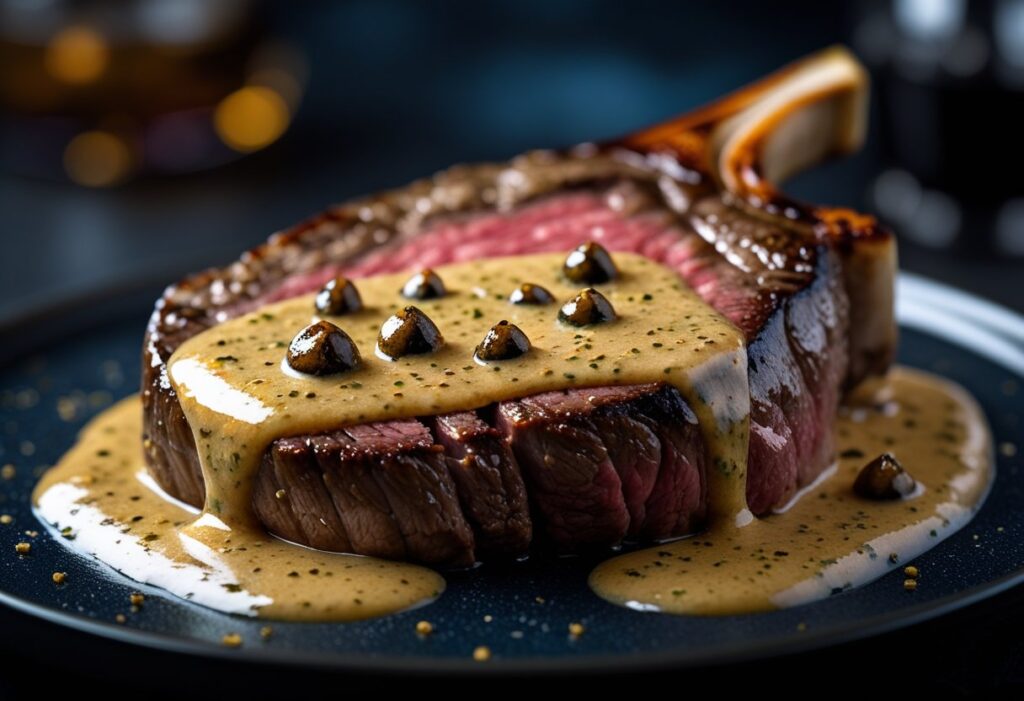
Easy Peppercorn Sauce for Steak is a classic steakhouse sauce that transforms an ordinary steak into a rich, flavorful meal in minutes. This creamy peppercorn sauce is made using simple ingredients like crushed peppercorns, butter, stock, and cream, yet delivers bold, restaurant-quality results at home. If you’re looking for a quick steak pan sauce that tastes luxurious without complicated steps, this recipe is the perfect solution.
The secret to a great homemade peppercorn sauce lies in building flavor directly in the same pan used to cook the steak. Pan drippings add depth, while freshly crushed black peppercorns provide aroma and warmth without overwhelming heat. Butter and shallots create a savory base, and deglazing the pan with beef stock lifts all the browned bits that give the sauce its signature steakhouse flavor. Heavy cream is added at the end to create a smooth, velvety texture that coats the steak beautifully.
This easy peppercorn sauce for steak works with filet mignon, ribeye, sirloin, or New York strip and pairs well with mashed potatoes, roasted vegetables, or grilled chicken. It’s naturally gluten-free, low-carb, and can be customized with green peppercorns, Dijon mustard, or a splash of brandy for added complexity. Best of all, the sauce comes together in about five minutes, making it ideal for weeknight dinners or special occasions.
For the complete recipe, step-by-step instructions, expert tips, and variations, see the easy peppercorn sauce for steak 5-minute restaurant taste complete recipe in given below.
Why Peppercorn Sauce Is a Steakhouse Classic
Peppercorn sauce has remained popular for decades because it hits every note a great steak sauce should. It’s creamy without being heavy, bold without overpowering the meat, and peppery without harsh heat. Restaurants rely on it because it enhances the natural flavor of beef rather than masking it.
The sauce works exceptionally well with cuts like filet mignon, ribeye, sirloin, and New York strip because it complements both lean and fatty steaks. Its richness balances charred meat, while the crushed peppercorns add aroma and texture that elevate the entire dish.
What separates a good peppercorn sauce from a great one is balance. Too much cream makes it flat, too much pepper makes it bitter, and rushing the process ruins texture. This recipe avoids those mistakes while keeping the total cooking time under five minutes.
Ingredients for Easy Peppercorn Sauce for Steak
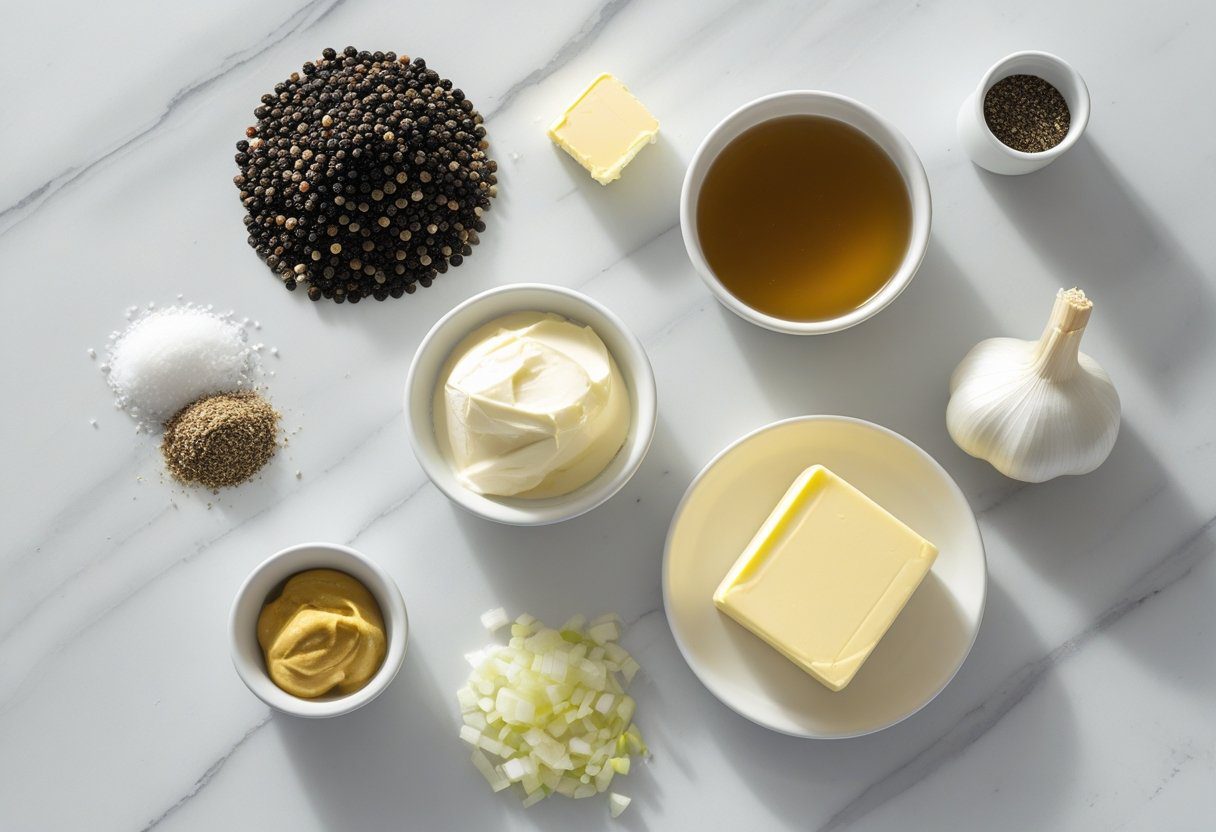
This sauce relies on a short list of ingredients, but each one serves a precise purpose.
Freshly crushed black peppercorns are the backbone of the sauce. They provide warmth, aroma, and visual appeal. Crushing them coarsely ensures a clean pepper flavor without bitterness.
Butter adds richness and helps carry flavor. It also forms the base for sautéing aromatics.
Shallots or finely diced onions add subtle sweetness and depth. They soften the sharpness of the peppercorns and round out the sauce.
Beef stock creates the savory backbone. It also helps deglaze the pan, lifting flavorful browned bits left behind after cooking steak.
Heavy cream gives the sauce its signature smooth, velvety texture. It binds all the flavors together and softens the pepper’s intensity.
Optional ingredients like Dijon mustard, Worcestershire sauce, or brandy add complexity and replicate classic French steakhouse flavor. These are not mandatory, but they dramatically enhance authenticity.
How to Make Easy Peppercorn Sauce for Steak (Detailed Step-by-Step)
Step 1: Prepare the Pan After Cooking the Steak
The most important step begins before the sauce even starts. After cooking your steak in a hot pan, remove it and let it rest on a plate. Do not clean the pan. The browned bits stuck to the bottom, known as fond, are concentrated flavor. This is exactly what gives restaurant sauces their depth. Lower the heat slightly so the pan stays hot but not smoking. Starting the sauce in the same pan is what transforms simple ingredients into a rich, steakhouse-quality peppercorn sauce.
Step 2: Melt Butter and Soften the Aromatics
Add butter directly to the warm pan. As it melts, it will absorb the beef flavor left behind. Add finely chopped shallots or onions and stir gently. The goal here is not browning but softening. Cook them just until translucent and fragrant. This step builds a subtle sweetness that balances the peppercorn heat later. Rushing this step or using high heat can result in bitter flavors.
Step 3: Add Crushed Peppercorns and Bloom the Flavor
Once the aromatics are soft, add the crushed peppercorns. Stir them into the butter and shallots for about 20 to 30 seconds. This brief cooking time allows the peppercorns to release their essential oils, intensifying aroma and flavor. Avoid cooking them too long, as pepper can become harsh and bitter if burned. This controlled blooming is what gives the sauce bold pepper flavor without overwhelming heat.
Step 4: Deglaze the Pan for Maximum Flavor
Pour in beef stock, and if using, a splash of brandy or cognac. As the liquid hits the hot pan, it will loosen the fond from the bottom. Use a wooden spoon to scrape gently, incorporating every bit of flavor into the sauce. This step is crucial for achieving restaurant taste. Let the liquid simmer briefly to reduce slightly and concentrate the flavor before moving to the next step.
Step 5: Add Cream and Build the Sauce Body
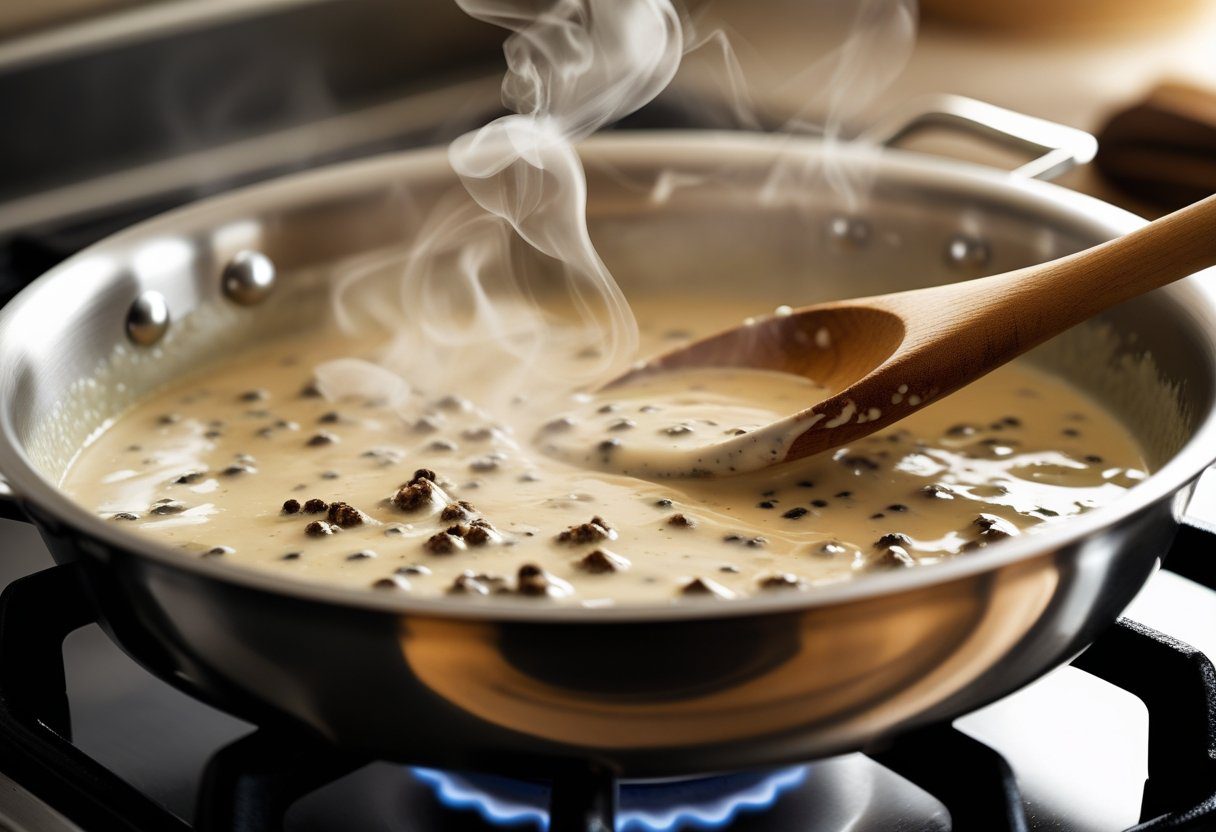
Lower the heat to medium-low and slowly pour in the heavy cream while stirring continuously. This gradual addition prevents separation and ensures a smooth texture. Let the sauce simmer gently, not boil. As it cooks, the cream thickens naturally and absorbs the peppery, savory notes from the pan. This stage should take about one to two minutes and is where the sauce transforms from liquid to velvety.
Step 6: Finish, Season, and Adjust Consistency
Once the sauce coats the back of a spoon, add Dijon mustard or Worcestershire sauce if using. Taste and adjust seasoning with salt if needed. Remember that steak drippings and stock already contain salt, so go slowly. If the sauce becomes too thick, add a splash of stock or cream to loosen it. Remove from heat and let it rest briefly before serving to allow flavors to settle.
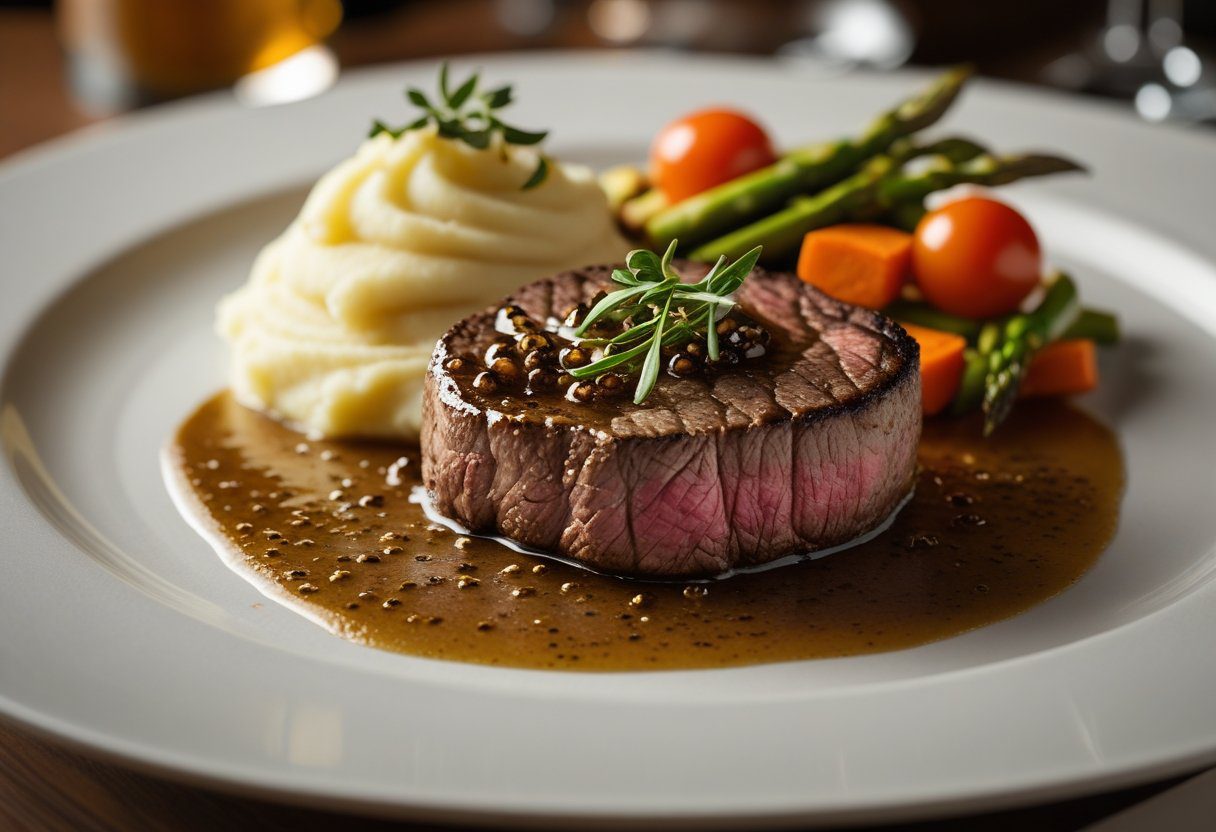
Why This Sauce Takes Only 5 Minutes
Professional kitchens rely on efficiency. This recipe uses the same logic. Because the pan is already hot and the ingredients are minimal, each step flows naturally into the next. There’s no need for flour, cornstarch, or long reductions. The sauce thickens through proper heat control and fat balance, which is why it delivers full flavor in such a short time.
Best Peppercorns for Steak Sauce
Black peppercorns are the traditional choice for classic peppercorn sauce because they offer the strongest aroma and familiar flavor. Green peppercorns are milder and slightly tangy, making them ideal for those who prefer a softer pepper note. Mixed peppercorns add complexity but should still be crushed coarsely to avoid bitterness.
Freshly crushed peppercorns always outperform pre-ground pepper in both flavor and aroma.
Common Mistakes and How to Avoid Them
One of the most common mistakes is overheating the cream, which can cause the sauce to split. Always simmer gently. Another frequent error is using too much pepper, assuming more equals better. Peppercorn sauce should be balanced, not aggressively spicy. Lastly, skipping pan drippings leads to flat flavor. Always build the sauce in the same pan used for steak.
Variations of Peppercorn Sauce
This easy peppercorn sauce can be adapted to different preferences. For a no-alcohol version, simply replace brandy with additional stock. For a dairy-free option, use coconut cream, though the flavor will be slightly different. Green peppercorn sauce offers a French bistro feel, while a low-carb or keto version requires no modification since the sauce is naturally low in carbohydrates.
What to Serve with Peppercorn Sauce
While steak is the classic pairing, this sauce also works beautifully with grilled chicken, pork chops, roasted mushrooms, mashed potatoes, or even cauliflower steak. Its versatility makes it a valuable recipe to master.
Storage and Reheating Tip
Peppercorn sauce can be stored in an airtight container in the refrigerator for up to three days. Reheat slowly over low heat, stirring frequently. If the sauce thickens too much, add a small splash of cream or stock to restore its original texture. Avoid microwaving, as it can cause separation.
Related About Peppercorn Delicious Recipe
Creamy Black Peppercorn Sauce with Pan Drippings
A creamy black peppercorn sauce made with pan drippings delivers deep, steakhouse-style flavor because it captures the browned bits left behind after searing steak. These pan drippings, often called fond, contain concentrated umami that forms the base of a rich pan sauce for steak. When butter is added, it absorbs the beef flavor, while finely chopped shallots soften and add subtle sweetness. Freshly crushed black peppercorns bloom in the fat, releasing aroma without bitterness. Heavy cream is then incorporated to create a smooth, velvety texture. This method is commonly used in restaurant-style peppercorn sauce, classic steak pan sauces, and French-inspired cream sauces for beef.
Quick 5-Minute Peppercorn Cream Sauce for Steak
A quick 5-minute peppercorn cream sauce for steak works because it relies on heat control and proper sequencing rather than long cooking times. Since the pan is already hot from cooking the steak, the sauce comes together rapidly. The key is allowing the cream to simmer gently so it thickens naturally while absorbing the savory notes from the pan. This approach creates a fast, homemade peppercorn sauce with rich flavor, making it ideal for weeknight dinners. Related LSI keywords include easy peppercorn sauce recipe, quick steak pan sauce, fast creamy steak sauce, and restaurant-quality sauce at home.
Best Green Peppercorns for Au Poivre Sauce
The best green peppercorns for au poivre sauce are typically brined green peppercorns because they provide mild heat and a slightly tangy flavor. Unlike black peppercorns, green peppercorns are softer and blend smoothly into creamy sauces without overpowering the steak. They are traditionally used in French steak au poivre and pair exceptionally well with filet mignon and tenderloin. Related LSI keywords include French peppercorn sauce, steak au poivre ingredients, mild peppercorn flavor, and classic bistro steak sauce.
Keto Low-Carb Peppercorn Sauce Variations
Keto low-carb peppercorn sauce variations are naturally easy to make because traditional peppercorn sauce contains minimal carbohydrates. By using heavy cream, butter, and stock without flour or starch, the sauce remains keto-friendly while retaining rich flavor. Some low-carb versions increase butter or reduce cream slightly to adjust fat content. This makes peppercorn sauce an excellent option for keto steak dinners. Related LSI keywords include keto steak sauce, low-carb creamy sauce, sugar-free peppercorn sauce, and high-fat steak sauce.
Dairy-Free Peppercorn Sauce with Coconut Cream
A dairy-free peppercorn sauce made with coconut cream offers a creamy texture without using milk or butter. Coconut cream thickens well and pairs best with strong savory ingredients like beef stock, shallots, and black peppercorns. Gentle simmering helps prevent separation and reduces coconut flavor dominance. This version is suitable for lactose-free, paleo, or dairy-free diets. Related LSI keywords include dairy-free steak sauce, lactose-free peppercorn sauce, coconut cream pan sauce, and non-dairy creamy sauce.
Brandy Cognac Peppercorn Sauce Deglaze Method
The brandy or cognac deglaze method is a classic technique used to enhance peppercorn sauce flavor. After sautéing aromatics and peppercorns, alcohol is added to the hot pan to dissolve the fond. As it simmers, the alcohol cooks off, leaving behind complex, aromatic depth. This method is widely used in French cuisine and restaurant kitchens. Related LSI keywords include deglazing steak pan, cognac cream sauce, brandy steak sauce technique, and restaurant-style peppercorn sauce.
Ribeye Steak with Peppercorn Sauce Pairing
Ribeye steak paired with peppercorn sauce works especially well because the sauce balances the steak’s rich marbling. The creamy texture offsets the fattiness of the ribeye, while the peppercorns add contrast and aroma. This pairing is a staple in steakhouses because it enhances the beef’s natural flavor rather than masking it. Related LSI keywords include best steak for peppercorn sauce, ribeye steak sauce pairing, creamy sauce for fatty steak, and steakhouse ribeye presentation.
How to Crush Peppercorns Coarsely for Sauce
Knowing how to crush peppercorns coarsely is essential for proper texture and flavor. Coarsely crushed peppercorns release aroma gradually and prevent bitterness. A mortar and pestle is ideal, but a rolling pin or the flat side of a knife also works well. Avoid grinding peppercorns into a fine powder, as this can cause harsh flavors when cooked. Related LSI keywords include crushed peppercorn texture, freshly cracked pepper for sauce, coarse pepper for steak sauce, and peppercorn preparation tips.
Prevent Bitter Peppercorn Sauce Cooking Tips
Preventing bitter peppercorn sauce requires careful heat control and moderation. Peppercorns can turn bitter if burned or cooked too long in high heat. Bloom them briefly in fat before adding liquid, and reduce heat before adding cream. Burnt pan drippings can also cause bitterness, so avoid overheating the pan after cooking steak. Using fresh peppercorns and balancing cream properly ensures a smooth, flavorful sauce. Related LSI keywords include peppercorn sauce troubleshooting, avoid bitter steak sauce, pepper sauce cooking mistakes, and balancing pepper heat in sauces.
Frequently Asked Questions
Can I make peppercorn sauce ahead of time?
Yes, but it tastes best fresh. Reheat gently if needed.
Is peppercorn sauce spicy?
It’s peppery, not hot, when balanced correctly.
Can I use milk instead of cream?
Milk will not thicken properly and affects texture.
What steak cut works best?
Filet mignon and ribeye are ideal, but any steak works.
Can I freeze peppercorn sauce?
Freezing is not recommended due to cream separation.
Is peppercorn sauce gluten-free?
Yes, naturally gluten-free.
Can I use chicken stock instead of beef stock?
Yes, especially with lighter steak cuts.
Why does my sauce taste bitter?
Overcooked peppercorns or burned fond.
How thick should the sauce be?
It should coat the back of a spoon without dripping quickly.
Can I double the recipe?
Yes, but control heat carefully to maintain texture.
Final Thoughts From Experience
This easy peppercorn sauce for steak with 5-minute restaurant taste is one of those recipes that changes how you cook at home. Once you understand the technique, you’ll stop relying on bottled sauces and start creating your own steakhouse flavors with confidence. It’s fast, reliable, and deeply satisfying—and that’s why professional kitchens still use this method today.