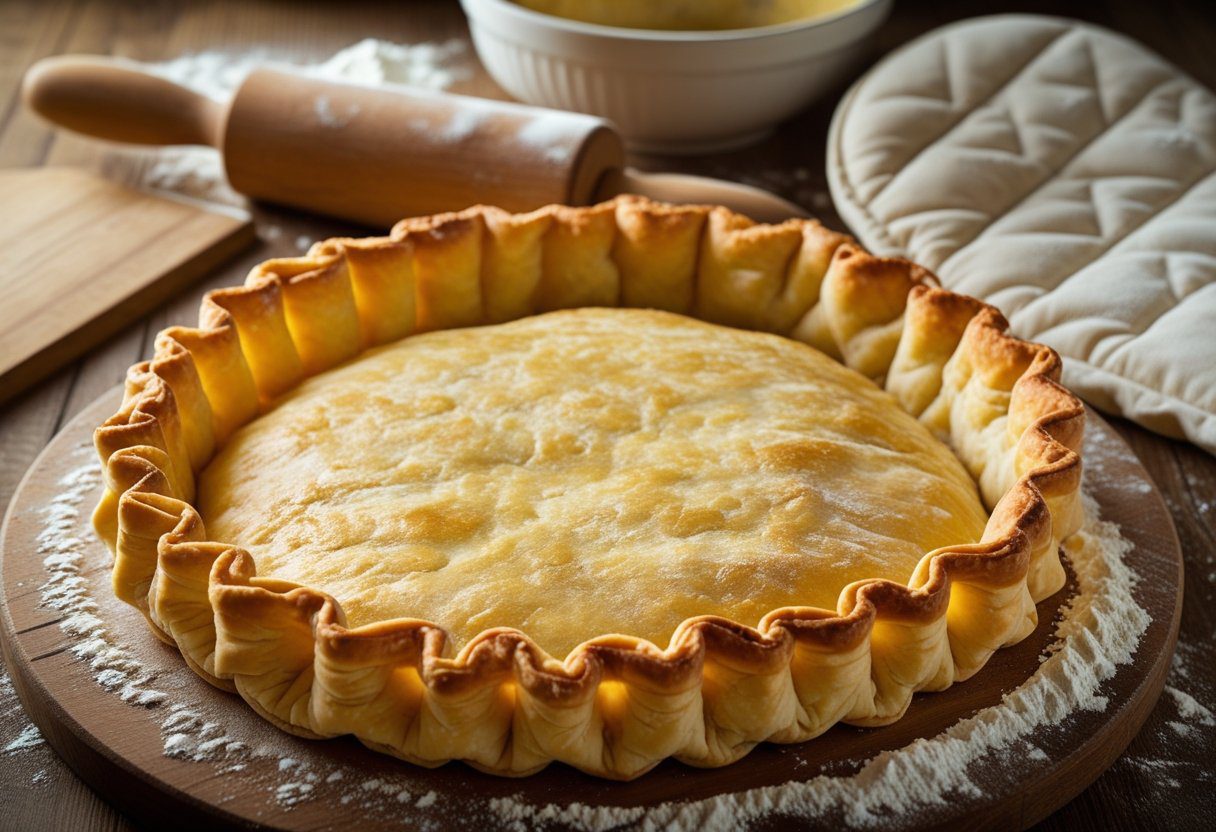


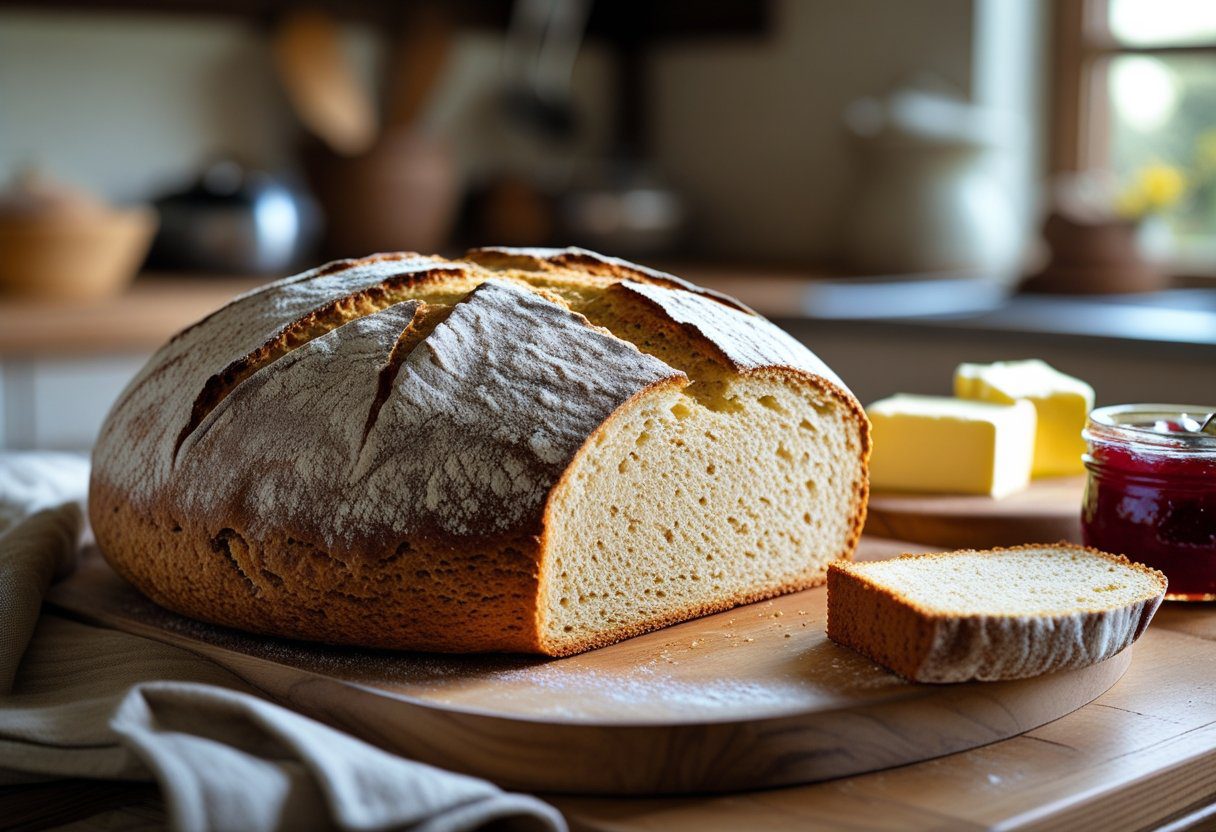
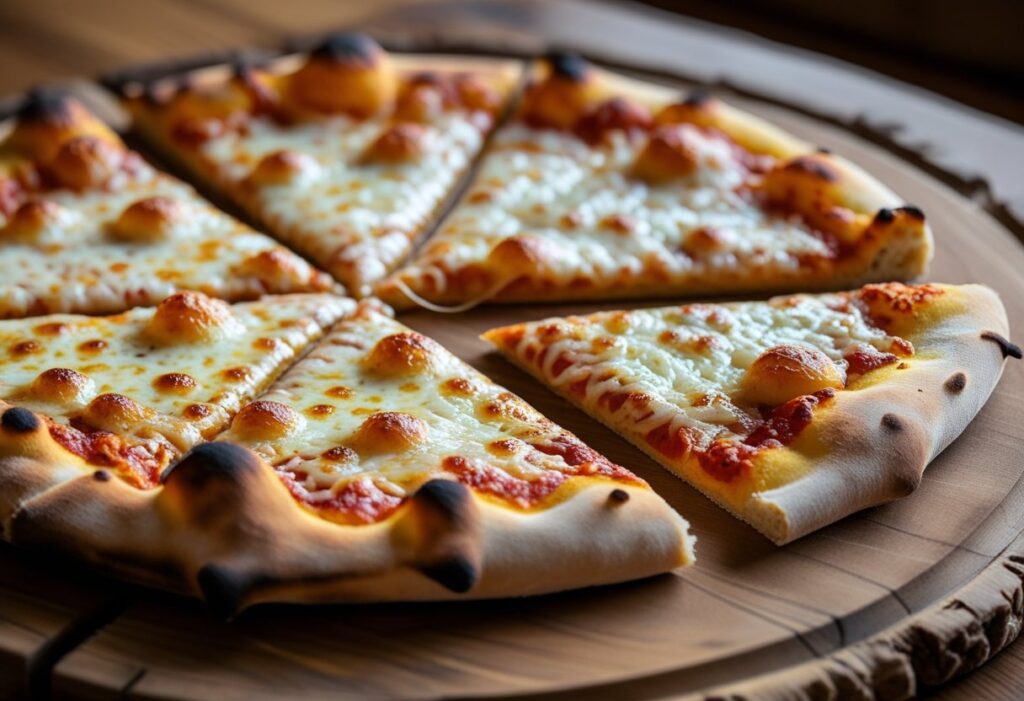
Making Homemade Pizza Dough Perfect Crust with Instant Yeast is easier than most people think, and it’s the key to creating restaurant-quality pizzas right at home. Using instant yeast allows the dough to rise quickly while maintaining a soft, chewy texture and a golden, crispy crust. This recipe combines high-quality flour, the right hydration, and proper fermentation techniques to ensure every bite is flavorful and airy. Whether you prefer thin crust, hand-tossed, or thick-style pizza, mastering this dough sets the foundation for the perfect pizza night.
Start by mixing bread flour or Tipo 00 flour with water, instant yeast, salt, and a touch of olive oil. The hydration ratio is crucial for achieving the ideal chewy yet crisp texture, while salt strengthens the gluten network and controls yeast activity. Knead the dough until smooth and elastic, then let it rise at room temperature for a quick method or in the refrigerator for cold fermentation to enhance flavor. After dividing the dough into portions, allow it to rest before shaping by hand, which preserves air pockets for that light, fluffy interior.
Baking at high temperature on a preheated pizza stone or steel ensures a crispy bottom and proper oven spring. By following these steps, you’ll get a beautifully textured dough with the right balance of chew and crispiness. This summary provides all the essential tips, ingredient guidance, and techniques you need to succeed. For the complete recipe, detailed steps, and expert tips, see the full recipe given below.

Why Instant Yeast Is Ideal for Homemade Pizza Dough
Instant yeast is often underrated by home bakers, but here’s the truth:
It blends directly with dry ingredients without proofing, accelerates fermentation, and produces consistent rise and texture. While active dry yeast requires activation in warm water, instant yeast can go in straight with flour — saving time and minimizing error, especially for beginner to intermediate bakers.
Its fine granules absorb water faster and begin working immediately, which is ideal when you want a perfect pizza dough with minimal waiting time.
Ingredients — Quality Matters
Before we get to the method, let’s break down the essential ingredients and why each matters:
Flour
- Tipo 00 — traditional Italian choice; fine grind gives ultra‑smooth, extensible dough.
- Bread flour — high protein for strong gluten, great chew and structure.
- All‑purpose flour — works in a pinch, but the crust won’t be as chewy or airy.
Water
- Room temperature and measured by weight — critical for proper hydration ratio.
- Avoid overly chlorinated water; if your tap is mercurial, let it sit or filter it.
Instant Yeast
- Use sparingly (e.g., ~0.4%–1% of flour weight). Too much yeast leads to fast but bland rise; too little yields dense dough.
Salt
- Not just for flavor — it strengthens the gluten network and controls yeast activity. Ideal weight is about 2% of flour weight.
Olive Oil (Optional)
- Adds richness and improves handling. Traditional Neapolitan pizza doesn’t use it, but for a home crust it boosts tenderness and browning.
Hydration — The Key to Crust Texture
Hydration refers to the ratio of water relative to flour and is expressed as a percentage.
Getting this right is a game‑changer:
- 55‑60% hydration: firmer dough, more crisp crust.
- 60‑65% hydration: balanced chew and crisp — my personal recommendation for most home ovens.
- 65‑70% hydration: airy, open crumb; can be sticky and tougher to handle.
Pro Tip: Always measure by weight, not cups. Volume measurements vary wildly depending on flour type and brand.
Step‑by‑Step Recipe — Perfect Pizza Dough Every Time
1. Mix the Dough
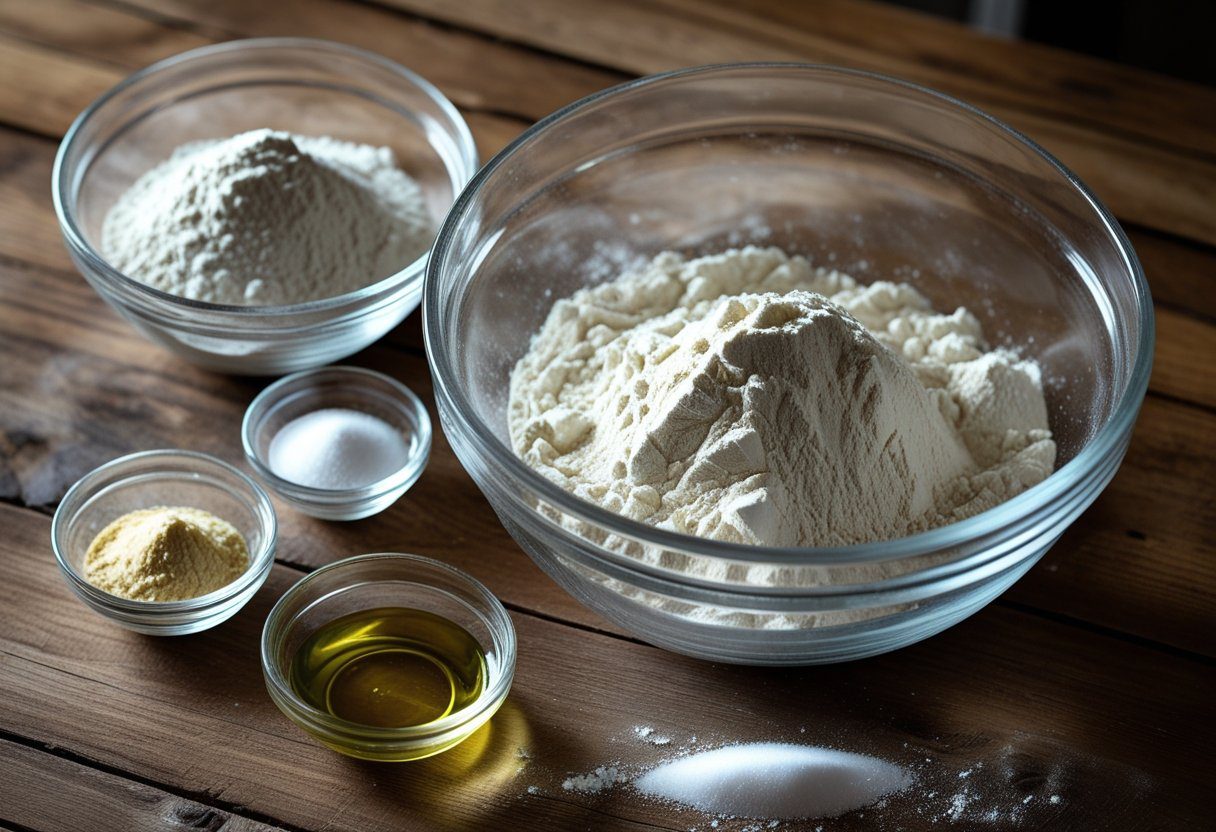
- In a large bowl, combine:
- 500g bread or Tipo 00 flour
- 325g water (60‑65% hydration)
- 2g instant yeast
- 10g salt
- 15g olive oil (optional)
- Mix until shaggy dough forms. Ideally, let rest 20‑30 minutes (autolyse) to develop gluten naturally.
2. Kneading & Gluten Development
Knead by hand (10‑12 mins) until dough is smooth and elastic. You want a dough that passes the “windowpane test” — stretch a bit between fingers; if it stretches thin without tearing, your gluten network is strong.
3. Bulk Fermentation
Cover the bowl and let the dough rise:
- Room temp for 2 hours (fast method)
- Refrigerator cold ferment 24‑72 hours for deeper flavor and better texture. Longer fermentation means more complex taste and chewy structure.
4. Shaping
Gently deflate, divide into balls (~250g for medium pizzas), and let rest at room temp 1–2 hours.
Never use a rolling pin — hand stretching keeps those precious air bubbles intact.
5. Baking
Preheat your oven with a pizza stone or steel to the maximum temperature (450‑550°F / 230‑290°C) for at least 45 minutes. Bake each pizza 7‑12 minutes until crust blisters and is golden.
Advanced Tips from the Pros
Here’s where your dough goes from good to exceptional:
Cold Fermentation Is Flavor Magic
Leaving dough to chill develops nuanced flavors and a more open crumb. Dough benefits from refrigeration for 24–72 hours — if time allows, choose this every time.
High Heat Equals Better Oven Spring
Home ovens don’t reach the 800°F of wood‑fired ovens, but preheating your stone/steel means the dough gets that rapid oven spring most restaurant pizzas have.
Gluten Strength Is Everything
Proper kneading and fermentation result in elastic dough. Stretch, don’t press — this builds a crust with air pockets and chew, not a dense, bread‑like texture.
Common Mistakes and How to Fix Them
| Issue | Cause | Fix |
| Dense crust | Low hydration or short fermentation | Increase water slightly & cold ferment |
| Soggy bottom | Low oven temp or cold stone | Preheat stone longer, bake hotter |
| Tough dough | Too much salt/over‑kneading | Adjust salt, knead less vigorously |
| Dough won’t rise | Old yeast or too cold | Test yeast, ensure warmth 75‑80°F |
Frequently Asked Questions (FAQs)
1️⃣ Can I use active dry yeast instead of instant yeast?
Yes — but with active dry yeast you’ll need to proof it in warm water first. Instant yeast skips proofing.
2️⃣ What’s the ideal hydration for homemade pizza dough?
Aim for 60‑65% for balanced chew and crisp.
3️⃣ Why should I cold ferment the dough?
Cold fermentation develops flavor and improves crumb structure.
4️⃣ Do I have to use a pizza stone?
It’s highly recommended — preheated stones/steels give crisp bottoms and better oven spring.
5️⃣ Can I freeze pizza dough?
Yes — divide into balls and freeze; thaw overnight in fridge before use.
6️⃣ Is olive oil necessary?
Not mandatory, but it adds tenderness and improves browning.
7️⃣ Why isn’t my crust airy?
Likely low hydration or insufficient fermentation. Adjust water ratio and give more time.
8️⃣ How long should I knead the dough?
10‑12 mins by hand is ideal — enough to build gluten without overworking.
9️⃣ Can I make whole wheat dough?
Yes! Substitute up to 30% whole wheat and add a bit more water.
🔟 Why is my dough sticky?
Sticky dough often means too much water for your flour type — adjust slowly.
Conclusion — Your Best Homemade Pizza Starts Here
Making Homemade Pizza Dough Perfect Crust with Instant Yeast is both an art and a science. With the right approach to hydration, fermentation, gluten development, and baking technique, you can consistently create pizzas that rival pizzeria quality — right from your home oven.
Follow this expert guide, use quality ingredients, and embrace practice — because every batch teaches you something new.
🍕 Now it’s your turn — fire up that oven and enjoy the perfect homemade pizza!