
A Complete, Beginner-Friendly Guide to Safe & Healthy Baking Tools
Choosing non stick bakeware safely has become more important than ever. With endless coating types, materials, and confusing marketing claims like “non-toxic,” “eco-friendly,” or “ceramic-coated,” it’s easy to feel lost. But once you understand what makes non stick bakeware safe, how coatings work, and which materials are the safest, picking the right bakeware becomes simple and stress-free.
This detailed guide will help you find the safe non stick bakeware that matches your cooking habits, protects your health, and lasts longer in your kitchen. Let’s dive in.
Understanding What Makes Non Stick Bakeware Safe
(Includes: safe non stick bakeware, what makes non stick bakeware safe, bakeware safety standards)
Before choosing any baking tray or pan, it’s important to understand the foundation of what makes non stick bakeware safe. While brands often talk about features, real safety comes down to three essentials:
1. A non-toxic, heat-stable coating
Safe coatings should not break down or release chemicals when heated. This is the core of non toxic non stick bakeware.
2. A strong and durable metal base
A pan’s base affects heating quality, lifespan, and safety. Weak metals can warp or cause uneven heating.
3. Clear temperature limits
Even heat safe non stick pans must specify a maximum temperature to prevent coating breakdown.
When bakeware meets established bakeware safety standards, you can trust it to deliver safe, consistent cooking performance without releasing unwanted toxins or odors.
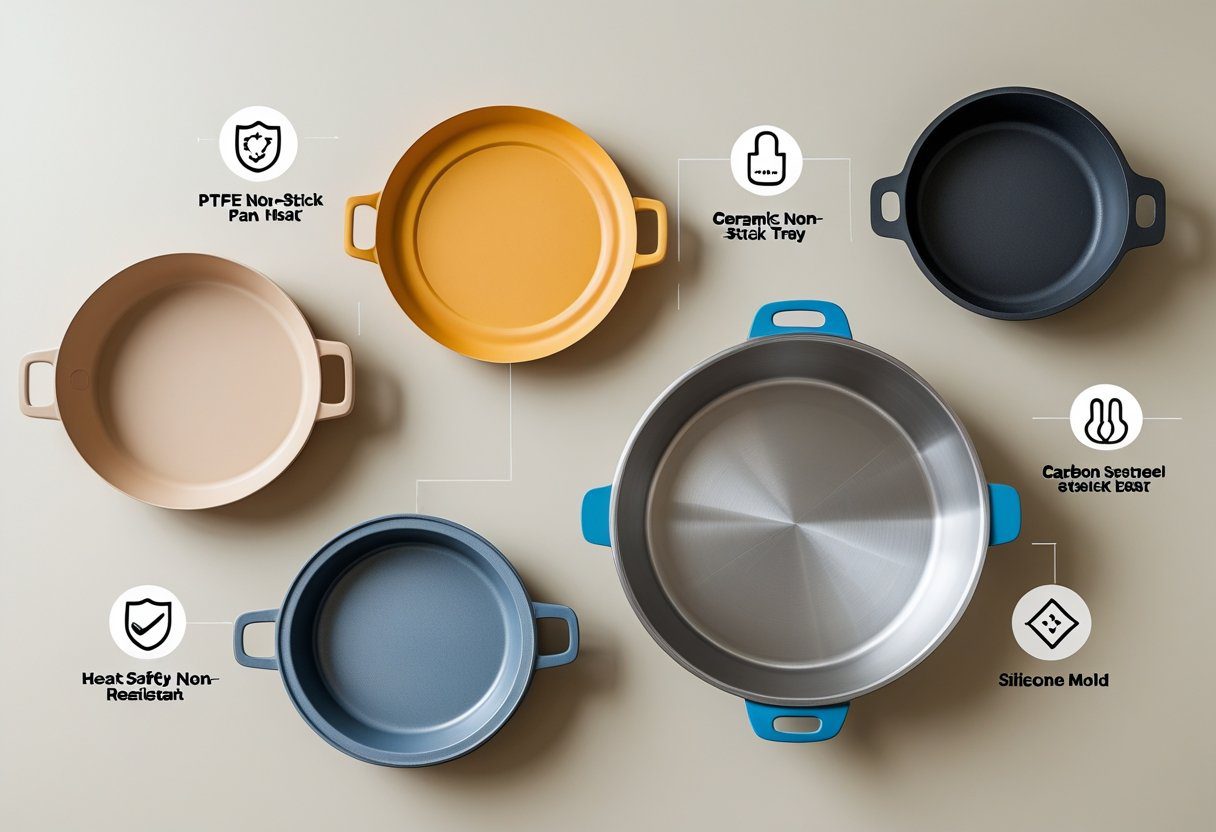
Types of Non Stick Coatings (Safe vs Unsafe)
(Includes: PTFE safe bakeware, chemical free non stick cookware, non stick coating guide)
Not all non stick coatings are created equal. To make educated decisions, you need to understand how different coatings work and how they compare.
✔ PTFE Coating (Often called Teflon)
PTFE remains one of the most commonly used coatings in food safe non stick pans. Despite many misconceptions, PTFE is considered safe when used responsibly and within recommended temperature limits.
Why PTFE is safe
Because PTFE is stable, non-reactive, and long-lasting, it is widely used in high-quality PTFE safe bakeware.
Safety tip
Avoid excessive heat. Overheating can accelerate non stick coating breakdown, reducing safety and durability.
A quick personal story: I once baked garlic knots at too high a temperature on an old PTFE tray. The coating darkened and smelled odd. That moment taught me why respecting heat limits is essential for safe baking.
✔ Ceramic Non Stick Coatings
Ceramic coatings are popular because they provide chemical free non stick cookware and are viewed as healthier alternatives.
Pros
- Made using more natural materials
- No PTFE or PFOA
- Good for moderate baking
Cons
- Less durable
- Tends to lose non stick performance faster
If you want eco friendly non stick options, ceramic is a great choice, especially for low to moderate temperatures.
✔ Seasoned Carbon Steel & Cast Iron
If you prefer safe alternatives to traditional non stick, carbon steel and cast iron are excellent options. They become naturally non stick through seasoning, require no chemicals, and last a lifetime.
✔ Silicone Bakeware
Soft, flexible, and ideal for muffins, cupcakes, and low-heat baking. While not as crisping as metal bakeware, it’s safe for moderate oven use.
Safest Materials for Bakeware
(Includes: best materials for non stick bakeware, baking pan materials comparison, healthiest cookware materials)
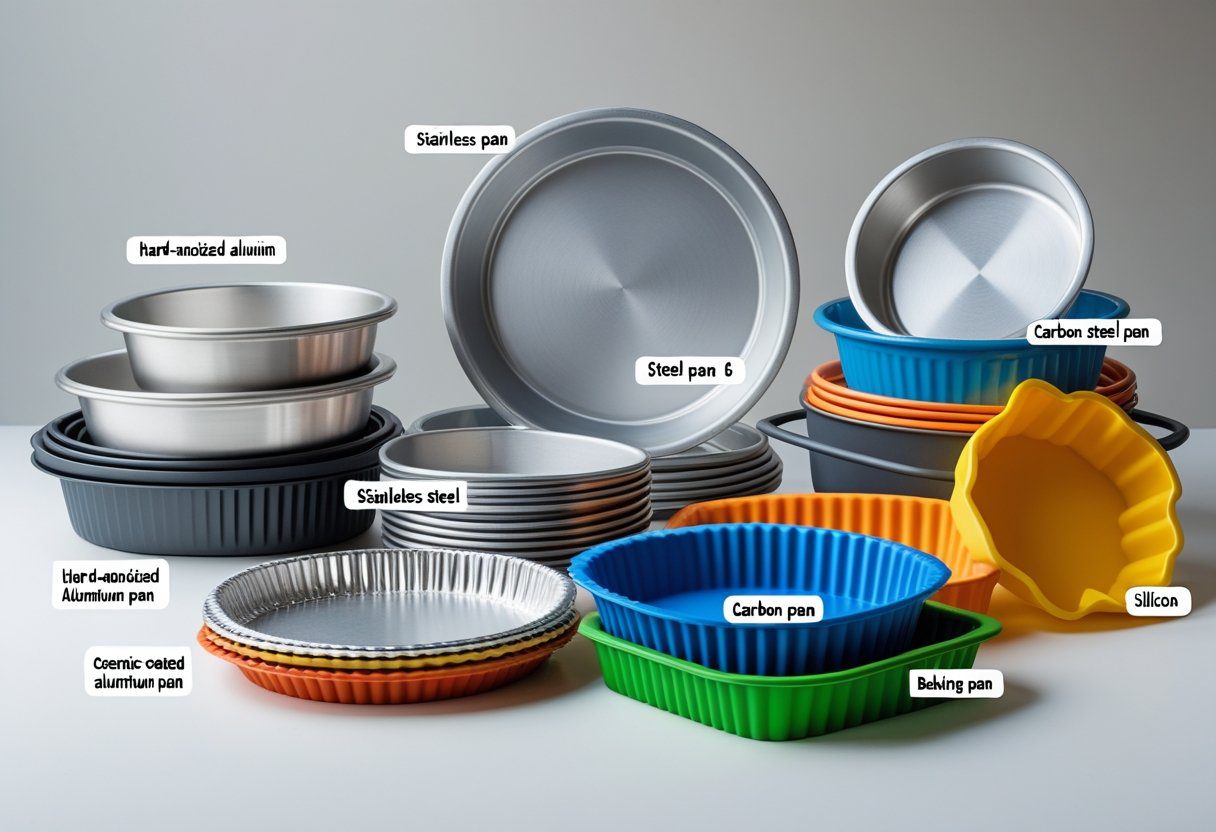
The base material of your bakeware determines its durability, heat performance, and safety. When comparing baking pan materials, keep this chart in mind:
| Material | Safety | Durability | Heat Performance |
| Hard-Anodized Aluminum | Excellent | Excellent | Excellent |
| Stainless Steel | Excellent | Excellent | Good |
| Carbon Steel | Excellent | Excellent | Excellent |
| Ceramic-Coated Aluminum | Good | Moderate | Good |
| Silicone | Good | Moderate | Moderate |
Best pick for most users
Hard-anodized aluminum is often the best materials for non stick bakeware because of its strength, scratch resistance, and even heating.
Best pick for chemical-free users
Carbon steel is a top-tier choice for chemical free non stick cookware, especially once seasoned properly.
Step-by-Step Safe Cookware Buying Guide
(Includes: safe cookware buying guide, bakeware buying guide, choosing safe bakeware)
Here’s a simple, practical method to make sure you’re choosing safe bakeware without falling for misleading labels.
✔ Step 1: Check Chemical Labels
Look for clear terms like:
- PFOA free bakeware options
- Lead-free
- Cadmium-free
- PFAS-free
If a brand hides its coating information, skip it.
✔ Step 2: Check Temperature Limits
This is crucial for oven safe non stick bakeware, since overheating can cause coatings to degrade.
Typical limits:
- PTFE: up to 500°F
- Ceramic: up to 450°F
- Silicone: up to 428°F
Don’t broil food in non stick bakeware—broiler heat is too high.
✔ Step 3: Choose High-Quality Base Materials
Safe and reliable choices include:
- Hard-anodized aluminum
- Stainless steel
- Carbon steel
Avoid thin, ultra-light pans. They warp easily and may not offer truly durable non stick bakeware.
✔ Step 4: Inspect Scratch Resistance
Keywords to look for:
- Heavy-gauge metal
- Reinforced coating
- Scratch-resistant surface
Scratches expose metal, trap food, and reduce the overall safety of pan surfaces.
✔ Step 5: Choose Brands with Transparency
Safe brands clearly list details such as coating type, safety certifications, and oven temperature limits. This aligns with choosing the best safe cookware brands.
Warning Signs of Unsafe Bakeware
(Includes: risks of cheap non stick pans, bakeware toxicity concerns)
Avoid any bakeware with these red flags:
- No coating information
- Extremely cheap multi-piece sets
- Overly lightweight pans
- Easy-to-scratch surfaces
- No listed oven temperature limit
- Peeling or uneven coating
Cheap bakeware usually performs poorly, breaks down quickly, and introduces serious bakeware toxicity concerns over time.
Which Bakeware Is Truly Oven Safe?
(Includes: oven safe non stick bakeware, oven safe non stick trays)
Knowing the right temperature for your bakeware prevents damage and keeps food safe.
- PTFE-coated bakeware: up to 500°F
- Ceramic-coated bakeware: up to 450°F
- Silicone bakeware: up to 428°F
- Carbon steel: up to 600°F
Always check the product’s heat tolerance. If the manufacturer doesn’t list it, it’s not worth buying.
How Coatings Affect Bakeware Safety
A coating impacts everything:
- Heat resistance
- Longevity
- Safety under heat
- Scratch sensitivity
- Maintenance requirements
Safe coatings are thick, even, and resistant to flaking. If you’re identifying harmful chemicals in bakeware, look for clear ingredient descriptions. If the brand refuses to disclose material details, consider it a warning sign.
Best Non Toxic Alternatives to Standard Non Stick
If you want to avoid synthetic coatings completely, explore these options:
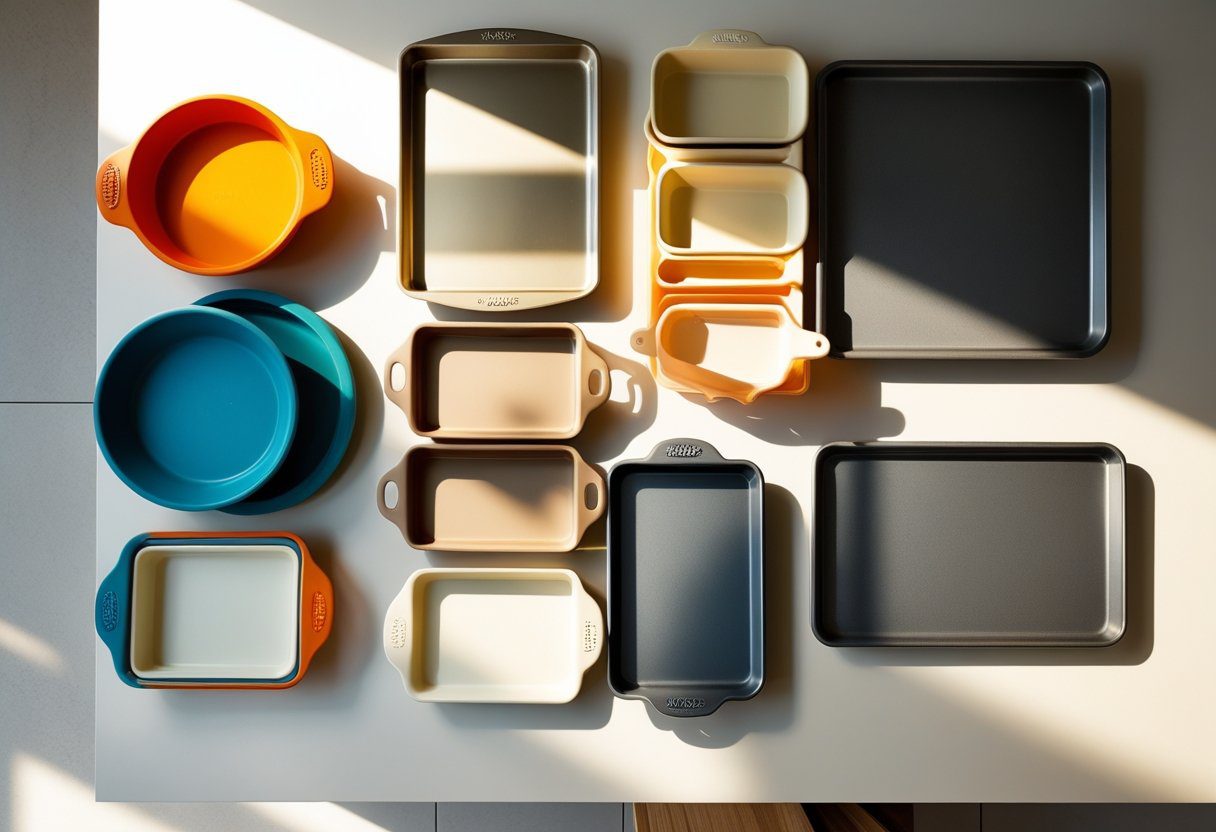
✔ Cast Iron
Super durable, naturally non stick after seasoning, and versatile.
✔ Carbon Steel
Similar to cast iron but lighter. Excellent for crisping and roasting.
✔ Glass Bakeware
Perfect for casseroles and desserts.
✔ Stoneware
Great heat distribution and attractive presentation.
These are ideal if you want the best bakeware sets no toxins.
Maintaining Non Stick Bakeware Safely
Proper care dramatically increases the lifespan of non stick cookware, so follow these tips:
✔ Avoid aerosol sprays
They leave sticky residue that’s nearly impossible to remove.
✔ Wash gently
Use warm water, mild soap, and a soft sponge.
✔ Avoid metal utensils
Unless the bakeware is explicitly labeled metal-utensil safe.
✔ Let your pan cool before washing
Avoid thermal shock, which damages coatings.
✔ Store safely
Stacking pans can lead to scratches unless you use protectors.
Practicing safe cleaning practices for bakeware ensures your pans stay in excellent condition for years.
Simple Safety Tests You Can Do at Home
Here are three simple ways to check your bakeware’s safety:
✔ Water-bead test
Place a few drops of water on a warm pan. If they glide smoothly, it’s a sign of safe non stick surfaces.
✔ Visual inspection
Look for scratches, discoloration, peeling, or sticky spots.
✔ Heat test
Heat your empty pan at 350°F for 2–3 minutes.
If it smokes or smells unusual, the coating might be degrading.
These non stick bakeware safety tips help you determine whether your cookware is still safe to use.
Final Thoughts: Choosing Non Stick Bakeware Safely
Choosing how to choose non stick bakeware safely becomes incredibly easy when you understand coating types, material quality, temperature limits, and proper maintenance. Focus on:
- safe non stick bakeware
- Sturdy base materials
- Genuine non toxic non stick bakeware
- Clear temperature guidelines
- Scratch resistance
- Transparent manufacturing details
By following this safe cookware buying guide, you’ll select bakeware that improves your cooking experience, supports your health, and lasts for years.
FAQs About Choosing Non Stick Bakeware Safely
1. What is the safest type of non stick bakeware?
The safest types are those made with high-quality PTFE coatings, ceramic coatings, or naturally seasoned carbon steel. These options follow strict safety standards and offer stable performance when used within recommended temperatures.
2. Are PTFE and Teflon the same thing?
Yes. PTFE is the material, while Teflon is a brand name. Modern PTFE coatings are considered safe as long as you avoid overheating and scratching the surface.
3. Is ceramic non stick bakeware safer than PTFE?
Ceramic bakeware is free from PTFE and PFOA, which many people prefer. It’s safe but less durable than PTFE. If you want a more natural option and can handle moderate temperatures, ceramic is a good choice.
4. How do I know if my bakeware is PFOA-free?
Most modern, reputable brands clearly label their products as PFOA-free. If the packaging doesn’t mention it, assume it’s not safe and choose another option.
5. Can non stick bakeware go in the oven?
Yes, as long as it’s labeled as oven-safe. Different coatings have different heat limits, so always check the maximum temperature before using your bakeware in the oven.
6. What happens if non stick coating overheats?
Overheating can weaken the coating, cause discoloration, reduce non stick performance, and release unpleasant odors. It may also shorten the overall lifespan of the pan.
7. How can I avoid scratching non stick bakeware?
Use silicone, wooden, or nylon utensils. Avoid metal utensils unless the brand specifically claims their coating is metal-safe. Also, avoid stacking pans without protective layers.
8. Are cheap non stick pans safe to use?
Not always. Cheap pans often use poor-quality coatings that wear out quickly and may not meet safety standards. It’s safer to invest in high-quality safe non stick bakeware that lasts longer.