
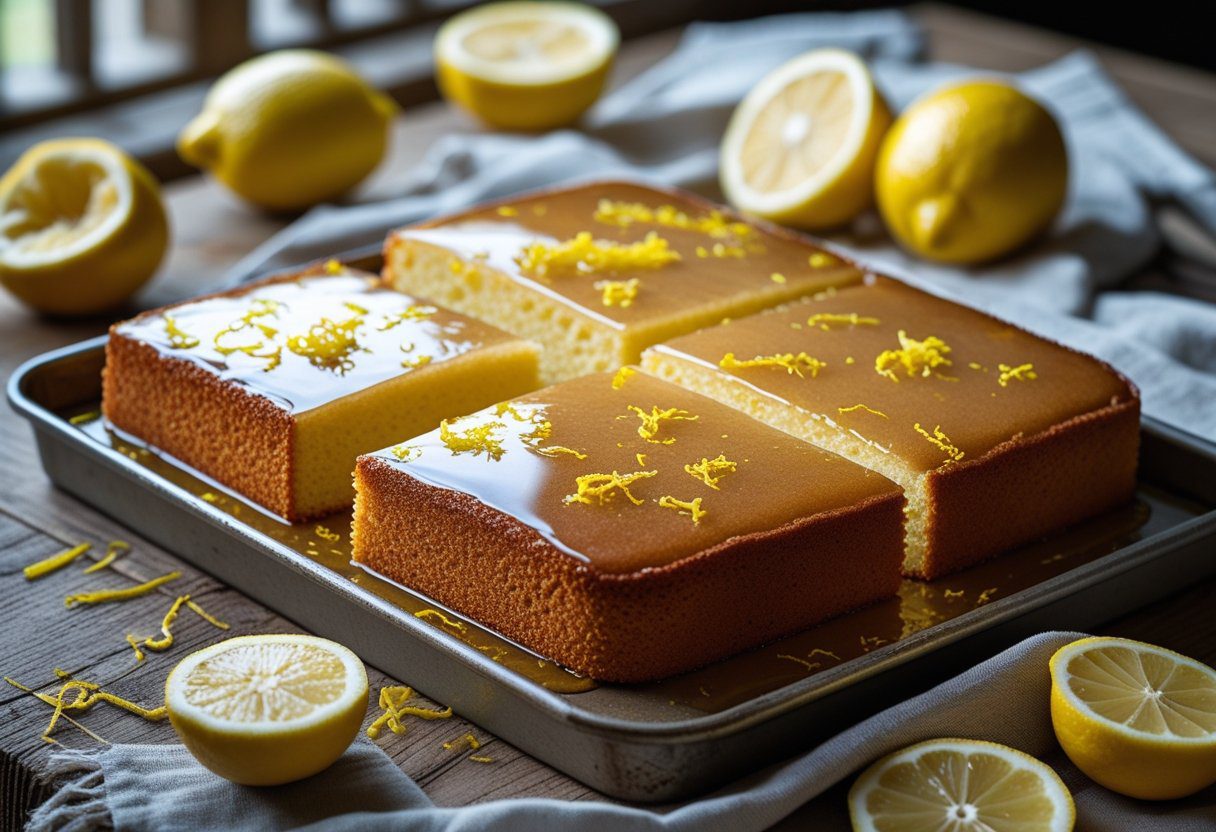
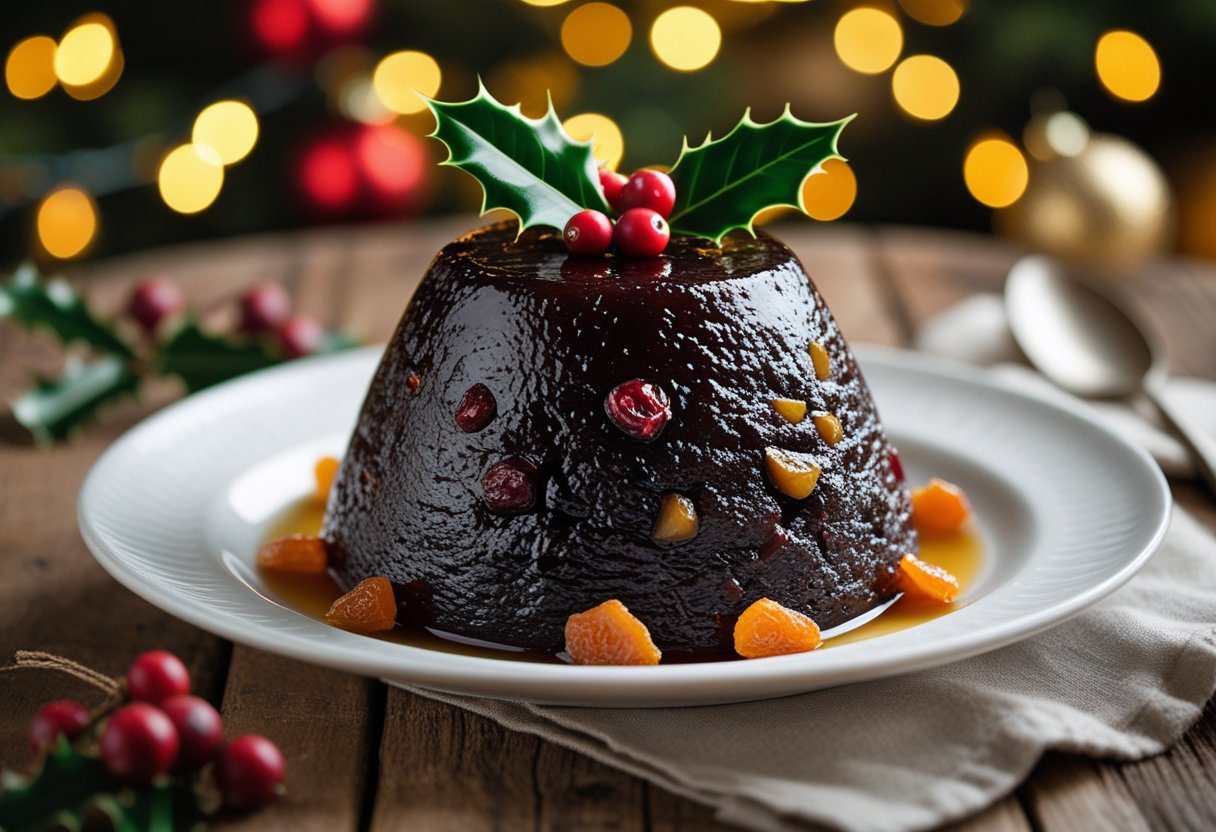
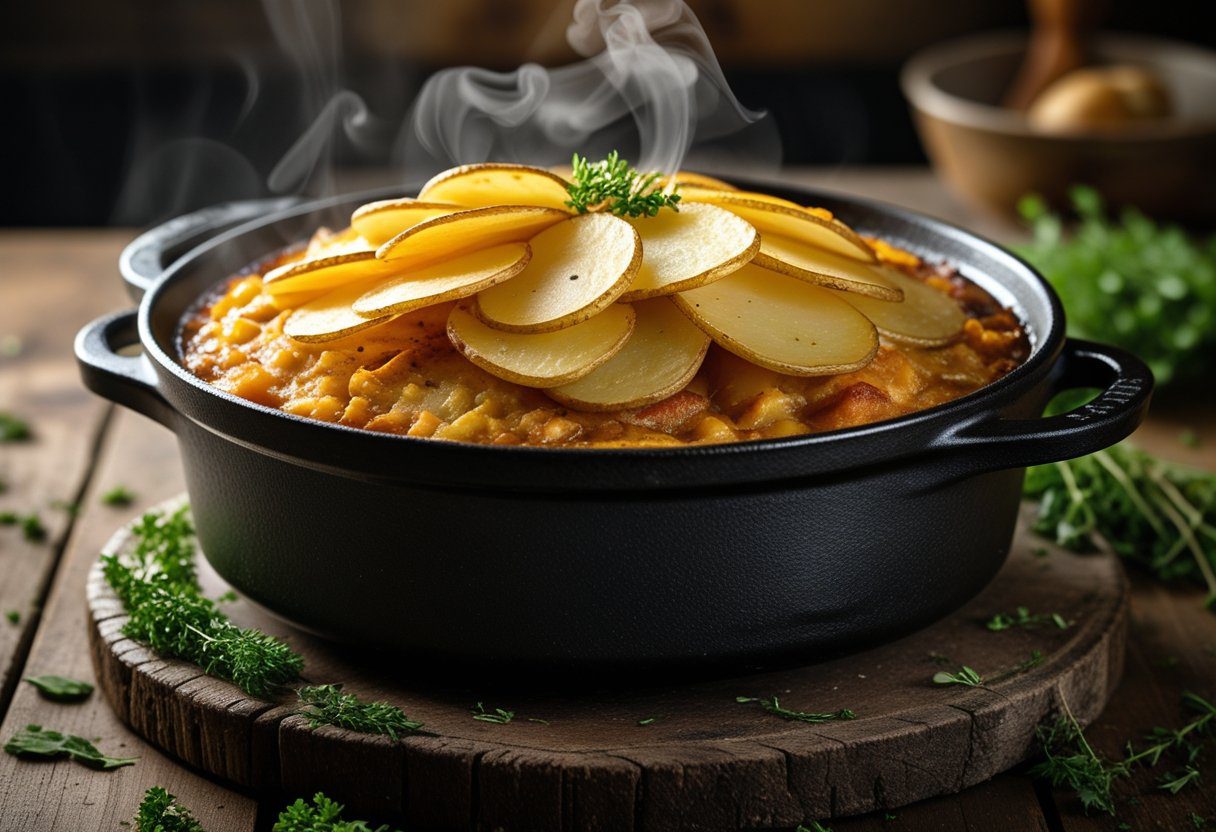
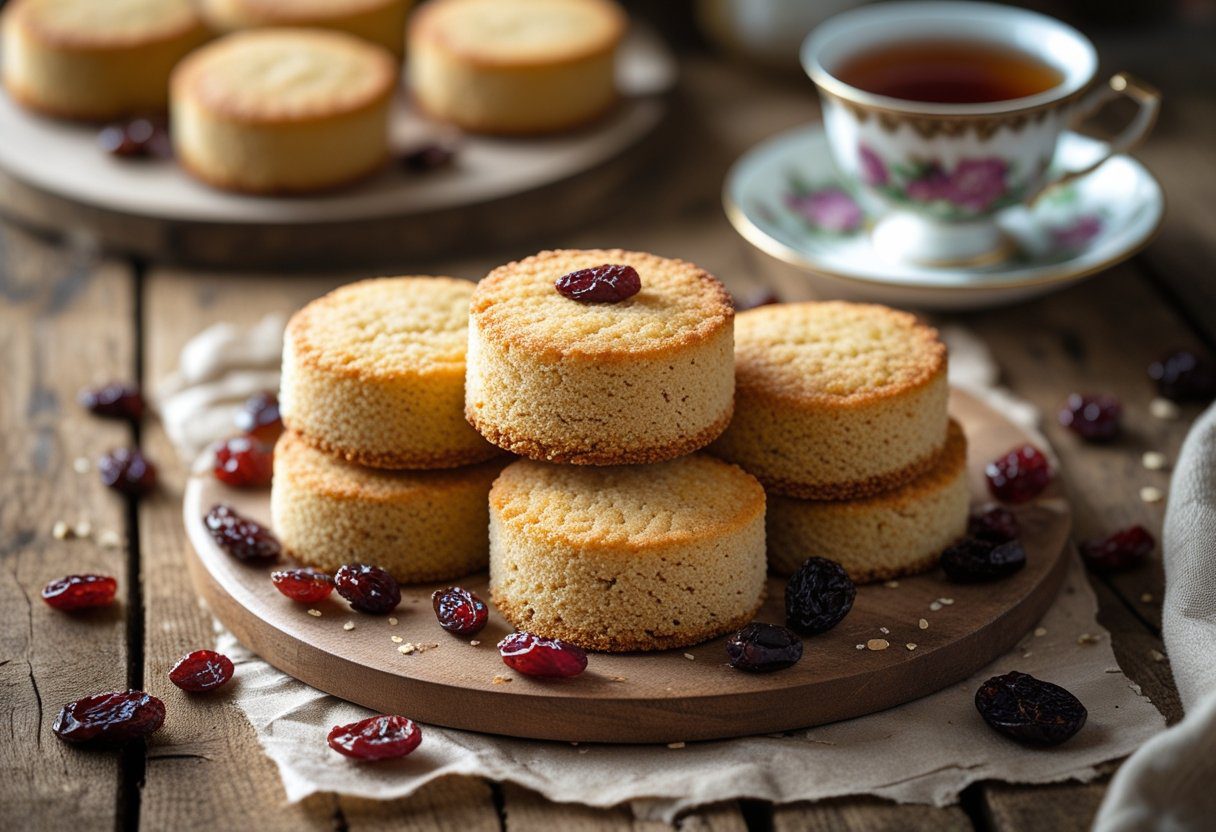
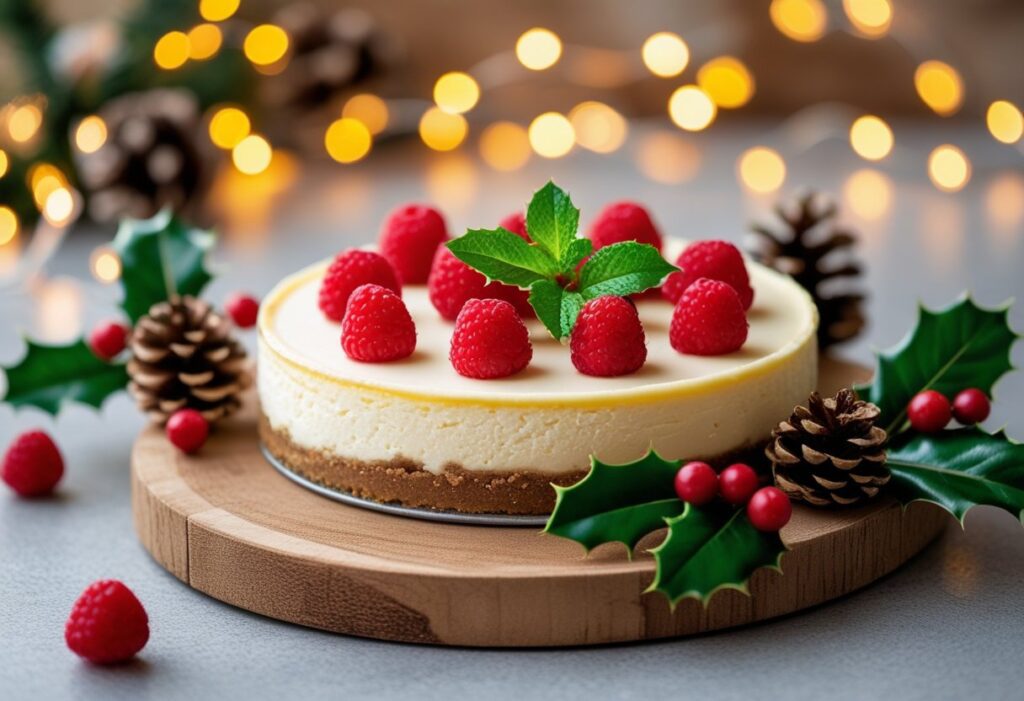
If you’re looking for a low carb Christmas desserts for diabetics that’s rich, creamy, and festive, this sugar-free cheesecake is your holiday solution. Perfect for those who want to enjoy the flavors of Christmas without spiking blood sugar, this cheesecake combines a buttery almond flour crust with a silky cream cheese filling, naturally sweetened with allulose or monk fruit. Unlike traditional cheesecakes loaded with sugar, this recipe keeps carbs low, flavors high, and makes sure everyone at your holiday table can indulge guilt-free.
To make this diabetic-friendly holiday dessert, you start by preparing the almond flour crust, blending almond flour, melted butter, sweetener, cinnamon, and vanilla until it sticks together. Press it evenly into a springform pan and lightly bake for a golden, nutty base.
Then, whip the cream cheese until smooth, gradually adding eggs, sour cream, and sweetener to create a creamy, lump-free filling. Pour over the crust and bake gently at a low temperature until the edges are set, leaving the center slightly wobbly. Slow cooling in the oven followed by overnight refrigeration ensures a perfectly firm, creamy texture.
For an extra festive touch, top your cheesecake with a sugar-free berry compote made from fresh raspberries or strawberries, simmered with a low-carb sweetener. The result is a decadent, blood sugar-friendly dessert your whole family will love.
For a step-by-step guide with full ingredients, baking tips, and plating ideas, check out the complete low carb Christmas cheesecake recipe given below.

Why Low Carb Desserts Matter So Much for Diabetics
If you’re diabetic, pre-diabetic, or managing insulin resistance, holiday desserts can feel like a trap. Traditional Christmas desserts rely heavily on sugar, dried fruits, high-carb flours, syrups, and even hidden sugars that send your glucose levels on a roller coaster ride you never asked for. And let’s be real — nothing ruins a holiday faster than feeling sluggish, thirsty, foggy, or exhausted from glucose spikes.
Low carb, low sugar, and low GI desserts help keep things festive without the metabolic meltdown. They support:
- Stable blood sugar levels
- Fewer cravings
- Better energy
- Reduced guilt (my personal favorite)
- Lower glycemic impact
Plus, you get to avoid that post-dessert crash where everyone else is slipping into a sugar coma on the sofa while you’re just chilling like a genius who made healthier choices.
Ever wondered why low-carb desserts work so well? They use ingredients like almond flour, coconut flour, erythritol, monk fruit, allulose, sugar-free chocolate, berries, heavy cream, and high-fat, low-GI ingredients that taste rich and satisfying but don’t flood your bloodstream with glucose. That’s literally the perfect combination for diabetics.
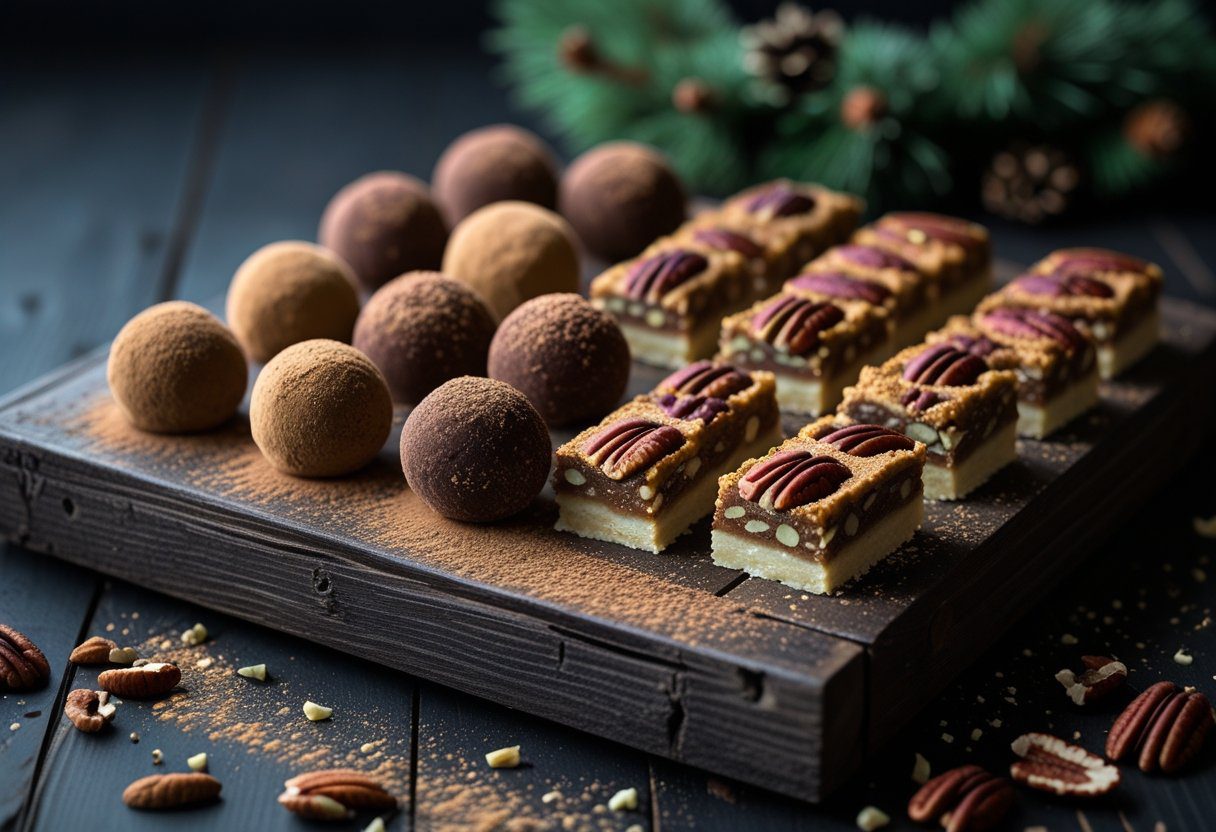
Best Ingredients for diabetic friendly Christmas desserts
If you’re going to make truly good low carb festive sweets, you need to know your kitchen staples. Here are the must-haves:
1. Almond Flour
This is the king of diabetic-friendly baking. Low-carb, high-protein, slightly sweet, and perfect for cookies, cakes, pie crusts, and muffins.
2. Coconut Flour
Super absorbent, low GI, and fantastic for cakes — but you need very little of it. A tablespoon goes a long way.
3. Monk Fruit & Allulose
These two sweeteners mimic sugar almost perfectly. Allulose gives an incredible smoothness, and monk fruit provides sweetness without aftertaste.
4. Sugar-Free Chocolate
Dark chocolate with zero added sugar or stevia-sweetened chocolate chips make everything instantly more festive.
5. Heavy Cream, Cream Cheese & Greek Yogurt
These provide creamy textures, stability, and richness without high carbs.
6. Berries
Raspberries, strawberries, blueberries — all low glycemic and perfect for toppings or fillings.
7. Spices
Cinnamon, nutmeg, ginger, cloves… these transform low carb desserts into Christmas classics.
When you combine these with good techniques, you get holiday magic that’s completely diabetic safe.
Top holiday desserts Ideas for Diabetics
Here are some crowd favorites you can enjoy guilt-free:
- Low Carb Gingerbread Cookies
- Sugar-Free Cheesecake with Berry Compote
- Keto Chocolate Mousse
- Diabetic-Friendly Cinnamon Rolls
- Low Carb Pecan Pie Bars
- Almond Flour Christmas Shortbread
- Sugar-Free Hot Chocolate
- Low Carb Yule Log Cake
You can build an entire festive dessert table around these — and trust me, nobody will feel like they’re missing out.
But now, let’s get into the part you specifically asked for…
low carbohydrate desserts for diabetics
This is the dessert that wins Christmas every single year at my house. Rich, creamy, low GI, and naturally sweetened — it hits that holiday spot without sending your glucose levels on an unwanted holiday adventure.
Ingredients For keto Christmas desserts
- 2 cups almond flour
- 4 tablespoons melted butter
- 2 tablespoons allulose or monk fruit
- 1 teaspoon vanilla extract
- Pinch of cinnamon
For the Cheesecake Filling
- 24 oz cream cheese (softened)
- 3 large eggs
- 1 cup allulose or monk fruit
- 1/2 cup sour cream
- 1 teaspoon vanilla
- Zest of one lemon (optional but festive)
Step-by-Step Instructions For diabetes-safe Christmas baking
Step 1: Prepare the Almond Flour Crust
Start by grabbing a medium-sized mixing bowl and pouring in your almond flour, allulose, cinnamon, vanilla extract, and melted butter. Then begin mixing with a fork or spatula until the mixture resembles damp sand — the kind you’d use to make a sandcastle, but edible and far more delicious.
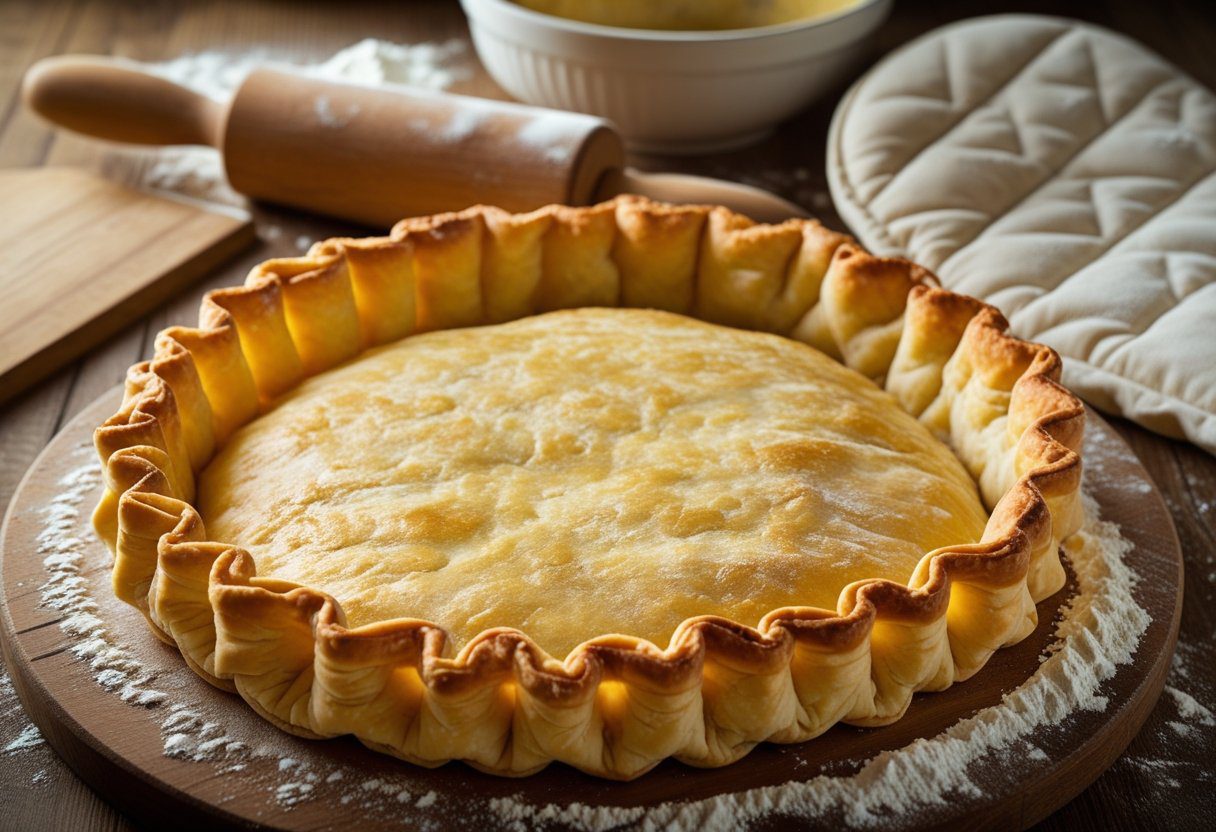
This mixture should stick together when squeezed, forming a crust-like consistency. Once combined, press the mixture firmly into the bottom of a springform pan, using the back of a spoon or your hands to smooth it out. Take your time here; creating an even crust will make your cheesecake look like something straight out of a fancy bakery.
After pressing it evenly, place the pan into a preheated oven for about 10 minutes until it becomes lightly golden and smells like toasted almonds. At this point, you’ll be tempted to eat it as-is — but don’t. The best is yet to come.
Step 2: Make the Smooth Cheesecake Filling
Now comes the heart of the dessert — the creamy, silky filling. Grab your softened cream cheese and beat it in a large bowl using an electric mixer until it becomes airy, smooth, and completely lump-free. There’s something therapeutic about whipping cream cheese, right? Once it’s smooth, slowly pour in your allulose while beating continuously.
This helps the sweetener dissolve into the cream cheese without becoming grainy. Add the sour cream, vanilla extract, and lemon zest, letting each ingredient blend thoroughly before adding the next. Finally, crack in your eggs one at a time, mixing just until incorporated. Avoid overmixing because too much air can make the cheesecake crack — and nobody wants a cheesecake that looks like it’s been through an earthquake. The filling should look silky, thick, and slightly glossy when it’s ready.
Step 3: Bake the Cheesecake Slowly and Gently
Pour the cheesecake filling over your cooled crust and tap the pan gently against the counter a few times to release any trapped air bubbles. Then place the pan into the oven and bake it low and slow. Baking a cheesecake is like dealing with a sensitive friend — gentle treatment only. The temperature should stay low (around 300°F / 150°C) and the baking time will be roughly 50–60 minutes.
You’ll know it’s done when the edges are set but the center still jiggles slightly like soft jelly. Don’t panic — that wobble is exactly what you want. Once baked, turn off the oven and let the cheesecake sit inside for another hour with the door slightly open. This slow cooling process prevents cracks and gives the dessert that perfect creamy texture. It’s basically a cheesecake spa session.
Step 4: Cool Completely and Refrigerate Overnight
This step is where most people fail because they get impatient. But trust me — letting the cheesecake cool fully makes all the difference between “pretty good” and “OMG this is the best cheesecake ever.” After the oven cooling phase, remove the cheesecake and let it cool to room temperature on a counter.
Once it’s no longer warm, cover it and place it in the refrigerator overnight. Cheesecake needs time to firm up, develop flavor, and settle into that rich, velvety consistency. Overnight chilling also makes it easier to slice neatly. If you cut it early, it’ll smear instead of slice — and you’ll regret it instantly. Patience is part of the recipe here. 🙂
Step 5: Add a Sugar-Free Berry Topping (Optional but Recommended)
Once your cheesecake has chilled and you’re finally ready to eat (hallelujah!), prepare a quick sugar-free berry topping. Heat a handful of raspberries or strawberries in a small saucepan over medium heat, add a tablespoon of allulose, and stir until the berries break down into a thick sauce.
You can leave the topping chunky or blend it smooth depending on your preference. Pour the sauce over your cheesecake slice right before serving. The combination of creamy, rich cheesecake with tangy berry topping creates the perfect balance of flavors without adding unnecessary carbs. And let’s be honest — it also makes the dessert look way fancier.
Nutritional Breakdown (Per Slice)
Approximate — may vary with ingredients
- Net Carbs: 4–5g
- Protein: 7–9g
- Fat: 20–25g
- Sugar: 0g added sugar
- Glycemic Index: Very low
This dessert is genuinely diabetic friendly — no sugar spikes, no crashes, and no regrets.
Related About diabetic friendly Christmas desserts
Sugar-Free Almond Flour Crust for Holiday Diabetic Desserts
When it comes to making holiday desserts diabetic-friendly, a sugar-free almond flour crust is a game-changer. Almond flour is naturally low in carbs and high in fiber, which helps stabilize blood sugar levels while adding a rich, nutty flavor that complements festive fillings like cream cheese, pumpkin, or chocolate.
Unlike traditional wheat flour crusts loaded with sugar, this crust keeps your desserts low glycemic, making them safe for type 2 diabetes management. You can easily combine almond flour with a low-carb sweetener like allulose or monk fruit, a pinch of salt, and melted butter or coconut oil to create a dough that bakes into a golden, crisp base. Not only does it taste indulgent, but it also supports healthy holiday eating without compromising flavor.
Adding spices such as cinnamon, nutmeg, or cardamom enhances the aroma and brings that signature holiday vibe, making it ideal for pies, tarts, or cheesecakes. For a softer, cookie-like crust, experiment with slightly more butter or a splash of heavy cream. Using this method, diabetics and low-carb enthusiasts alike can enjoy a festive dessert table without guilt, while still controlling carb intake and avoiding sugar spikes.
Diabetic-Friendly Christmas Treats Using Monk Fruit Sweetener
Monk fruit sweetener is a natural, zero-calorie sugar substitute that is ideal for creating diabetic-friendly Christmas treats. Unlike sugar, it doesn’t spike blood sugar levels, making it perfect for low-carb holiday baking. From cookies and fudges to cheesecakes and custards, monk fruit allows you to enjoy traditional holiday flavors without guilt.
It can be blended with erythritol to mimic sugar’s texture in baked goods, ensuring proper browning and sweetness. For diabetics, this means blood sugar-safe holiday indulgence that doesn’t compromise on taste or appearance. You can create everything from gingerbread men to almond butter fudge, incorporating flavors like cocoa, cinnamon, nutmeg, and vanilla to make your festive treats irresistible.
Additionally, monk fruit pairs well with low-glycemic flours like almond or coconut flour and fats such as coconut oil, butter, or cream cheese to maintain moist, rich desserts that taste indulgent. By using monk fruit, you can maintain the festive spirit without worrying about insulin spikes or overconsuming sugar, making it one of the best sweeteners for diabetic baking during the holidays.
Easy Low Carb Berry Compote Topping for Sugar-Free Cheesecake
A low-carb berry compote is the perfect finishing touch for a sugar-free cheesecake or holiday dessert. Using berries like raspberries, blueberries, or strawberries provides natural sweetness, antioxidants, and fiber, while keeping the glycemic load low. Sweetened with monk fruit or allulose, this compote offers a vibrant, tangy topping without spiking blood sugar, making it ideal for diabetics or those following keto diets.
To prepare, gently simmer the berries with a small amount of water and sweetener until thickened, then cool slightly before serving. The result is a luscious topping that complements creamy desserts, from cheesecakes to panna cotta, and adds festive color for holiday presentation. The compote can also be customized with holiday spices like cinnamon, nutmeg, or a hint of clove to evoke classic Christmas flavors.
Beyond taste, this topping adds nutrient-rich antioxidants to your dessert, making your indulgence slightly healthier and perfect for those managing blood sugar. For extra texture, lightly crush the berries or leave them whole depending on your presentation preference.
Keto Christmas Desserts That Won’t Spike Blood Sugar Levels
Creating keto Christmas desserts that don’t spike blood sugar is all about using low-carb ingredients and natural sweeteners while maintaining indulgent textures. Using almond flour, coconut flour, or ground nuts as a base, combined with sugar substitutes like allulose or monk fruit, allows you to replicate traditional desserts such as cookies, cakes, and tarts without the glycemic impact.
Fats like butter, coconut oil, and cream cheese add richness and mouthfeel, which makes these desserts satisfying even with fewer carbs. By incorporating spices like cinnamon, nutmeg, and cloves, and low-carb flavorings such as vanilla or cocoa, you can maintain the festive essence of holiday sweets.
Keto desserts like sugar-free chocolate mousse, almond-flour brownies, or pecan pie bars can be made in advance, refrigerated, and served with minimal prep. These recipes ensure blood sugar levels stay steady, making them suitable for diabetics and those following low-carb lifestyles. By mastering keto baking techniques, you can enjoy indulgent treats while maintaining healthy glycemic control throughout the holiday season.
No-Bake Low Carb Christmas Sweets for Type 2 Diabetes Management
For those managing type 2 diabetes, no-bake low carb Christmas sweets are both convenient and safe for blood sugar. These desserts eliminate the need for baking while still offering creamy, indulgent textures. Examples include no-bake cheesecakes, mousse cups, and nut-based truffles, using ingredients such as almond flour, coconut flour, sugar-free chocolate, cream cheese, or heavy cream. Sweeteners like monk fruit or allulose provide sweetness without glucose spikes.
No-bake desserts are ideal for holiday prep because they require minimal equipment, can be stored in the fridge, and maintain their texture better than baked low-carb desserts. Adding berries, nuts, or sugar-free chocolate shavings enhances both flavor and presentation, making these diabetic-friendly treats visually festive.
Additionally, no-bake recipes often include healthy fats and protein, which help balance blood sugar while keeping you satisfied. These recipes are perfect for a stress-free, low-carb holiday dessert table that supports type 2 diabetes management without sacrificing indulgence.
Festive Low Glycemic Index Desserts for Holiday Diabetics
Low glycemic index (GI) desserts are essential for diabetics during the holidays, as they release sugar slowly into the bloodstream, preventing spikes. Ingredients like almond flour, coconut flour, berries, nuts, and sugar substitutes such as monk fruit, allulose, or erythritol keep desserts low GI.
Classic holiday desserts like tarts, pies, or cakes can be reimagined using these ingredients to ensure sweetness, texture, and festivity. Spices like cinnamon, ginger, and nutmeg not only enhance flavor but also complement blood sugar-friendly recipes.
Low GI desserts are also beneficial because they help manage cravings, provide satiety, and maintain steady energy levels throughout holiday meals. By integrating low-carb flours, healthy fats, and sugar alternatives, diabetics can enjoy indulgent sweets that support glycemic control while keeping the festive spirit alive.
Almond Flour Christmas Cookies Diabetic Safe Recipes
Almond flour is perfect for diabetic-safe Christmas cookies, offering a tender, nutty texture that is naturally low in carbs. Paired with sugar substitutes like monk fruit or allulose, these cookies retain sweetness and festive flavors without raising blood sugar.
Spices such as cinnamon, nutmeg, and cloves, along with extracts like vanilla or almond, enhance the aroma and holiday feel. Recipes can include sugar-free chocolate chips, nuts, or dried berries for variety. Baking at moderate temperatures ensures the cookies are crisp on the outside while soft inside.
These cookies are ideal for gifting or displaying on a holiday dessert table, allowing diabetics to enjoy a classic holiday treat safely. They can also be adapted for keto or low glycemic diets, making them versatile for family gatherings with mixed dietary needs.
Allulose Sweetened Holiday Pies for Blood Sugar Control
Using allulose as a sweetener in holiday pies allows diabetics to enjoy rich desserts while maintaining blood sugar control. Allulose mimics sugar’s texture and browning properties, making it ideal for fillings such as pumpkin, pecan, or chocolate custard pies. When paired with low-carb crusts made from almond or coconut flour, the result is a delicious, festive dessert that is low in glycemic load.
Spices like cinnamon, nutmeg, and cloves add traditional holiday flavors while maintaining diabetic safety. Allulose-sweetened pies can be served chilled or warm, and they provide the indulgence of holiday baking without causing rapid glucose spikes. Perfect for both family celebrations and individual enjoyment, these pies combine taste, texture, and diabetic-friendly nutrition.
Coconut Flour Based Low Carb Yule Log for Diabetics
A coconut flour-based Yule log is an excellent option for diabetics looking for a festive centerpiece dessert. Coconut flour is low in carbs and high in fiber, providing structure while keeping the dessert blood sugar-friendly. Paired with sugar substitutes like monk fruit or allulose, the cake maintains sweetness without causing glucose spikes.
Fillings such as sugar-free chocolate ganache, cream cheese frosting, or berry compote enhance flavor and texture. Rolled carefully, the low-carb Yule log can be decorated with nuts, cocoa powder, or sugar-free chocolate shavings for a classic holiday appearance. This dessert combines traditional Christmas presentation with diabetic-safe nutrition, allowing those managing blood sugar to enjoy a visually stunning and indulgent treat.
Final Thoughts: Christmas Dessert Bliss Without Blood Sugar Stress
You don’t need traditional sugary desserts to enjoy Christmas. You just need the right low carb Christmas desserts for diabetics, smart ingredient swaps, and recipes that actually taste good. When you embrace almond flour, sugar-free sweeteners, low GI ingredients, and creamy textures, you unlock a world of desserts that feel indulgent while staying gentle on your body.
Frequently Asked Questions (FAQ) — low carb Christmas desserts
Q1: What exactly makes a Christmas dessert “low carb” and “diabetic-friendly”?
A dessert becomes “low carb” and “diabetic-friendly” when you replace high-carb ingredients like white flour, cane sugar, and corn syrup with low-glycemic, low-carbohydrate alternatives such as almond flour or coconut flour, and natural sweeteners like erythritol, allulose, or monk fruit. These swaps reduce the dessert’s glycemic impact, meaning they cause less dramatic blood-glucose spikes, which is especially important for people managing diabetes. Using ingredients like nuts, berries, dark chocolate (sugar-free), heavy cream, or Greek yogurt adds richness and flavor without excessive carbs or sugar.
Q2: Which sweeteners are safest for diabetics when baking holiday desserts?
Some of the best sweeteners for diabetic-safe, low-carb desserts are erythritol, allulose, monk fruit, and stevia — each has pros and trade-offs. Erythritol has almost zero calories and doesn’t raise blood glucose or insulin levels. Allulose tastes close to sugar, browns well, and behaves similarly to sugar in baking with minimal blood sugar impact. Monk fruit sweetener is zero-calorie and natural, often blended with other sweeteners to improve texture and volume. Stevia is very sweet and zero-carb but can have a distinct aftertaste; best used carefully or blended with others. Some sweeteners behave differently under heat, so always check how a sweetener performs in baking or desserts.
Q3: Are almond flour and coconut flour good for diabetic-friendly Christmas desserts?
Yes — almond flour and coconut flour are among the most recommended low-carb flours for diabetic-friendly baking. Almond flour adds a nutty flavor, healthy fats, protein, and fiber, helping keep desserts low glycemic. Coconut flour absorbs moisture and works well in cakes, cookies, and bars, but you need less of it because it’s more absorbent. These flours help create low-carb crusts, cookies, and pies, perfect for a festive dessert table without the sugar spike.
Q4: Can diabetics really enjoy traditional-style Christmas desserts if they go low-carb?
Absolutely! With the right ingredient swaps and a little creativity, you can remake almost any traditional holiday dessert into a diabetic-friendly, low-carb version. Examples include sugar-free cheesecakes with almond-flour crusts, keto cookies using almond flour and sugar-free chocolate, or festive pies with nut-based crusts and low-carb sweeteners. You can have your cake and eat it too — even with diabetes.
Q5: Do low-carb desserts still taste good?
When done right, they taste surprisingly close to traditional desserts. Many sugar-free cheesecakes, mousses, almond-flour cookies, or keto tarts turn out rich, creamy, and decadent — sometimes so good that even non-diabetics don’t suspect they’re low-carb. Quality ingredients like almond flour, sugar-free chocolate, and natural sweeteners, combined with spices and textures, make the desserts festive and flavorful.
Q6: Are there any drawbacks when eating low-carb sugar-free desserts as a diabetic?
Yes — some things to watch out for: Portion control still matters. Even low-carb desserts can add up if overeaten. Some sugar alcohols, like erythritol, can cause digestive discomfort in large amounts. Not all store-bought “sugar-free” desserts are safe — hidden starches or carb-heavy fillers may be present. Balance matters: pair rich desserts with proper carbohydrate control and blood sugar monitoring.
Q7: What are some easy low-carb Christmas dessert ideas for diabetics?
If you don’t want complicated baking, try sugar-free chocolate avocado mousse made with cocoa, avocado, and natural sweetener; Greek yogurt and berry parfaits with low-glycemic berries, nuts, or seeds; no-bake cheesecake bites with almond-flour crusts and cream cheese or Greek yogurt; or sugar-free dark chocolate raspberry bark for a simple, festive treat.
Q8: How can I make a full low-carb Christmas dessert menu while keeping carbs under control?
Plan ahead and choose 2–3 dessert types instead of overloading. Use low-carb flours and sugar substitutes, control portions, mix textures and flavors, and provide options for guests. This approach helps build a festive, diabetic-friendly dessert table that is balanced and delicious.
Q9: Are low-carb Christmas desserts safe for all diabetics?
Generally yes — low-carb and sugar-free desserts reduce rapid glucose spikes for Type 1 and Type 2 diabetics. People using insulin or glucose-lowering medications should still monitor blood sugar after trying new recipes. Portion control remains important, and recipes can be adapted for allergies or dietary restrictions.