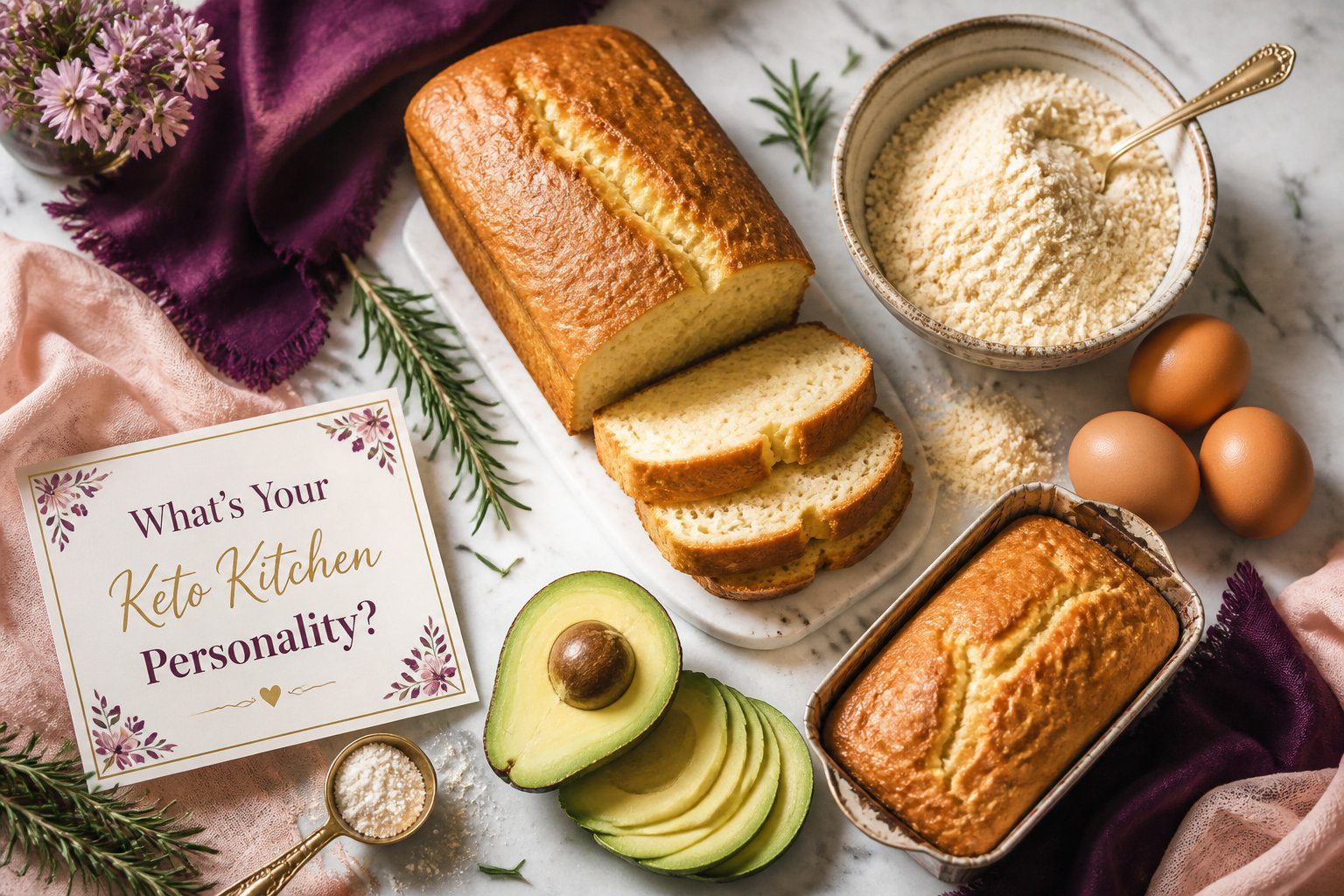

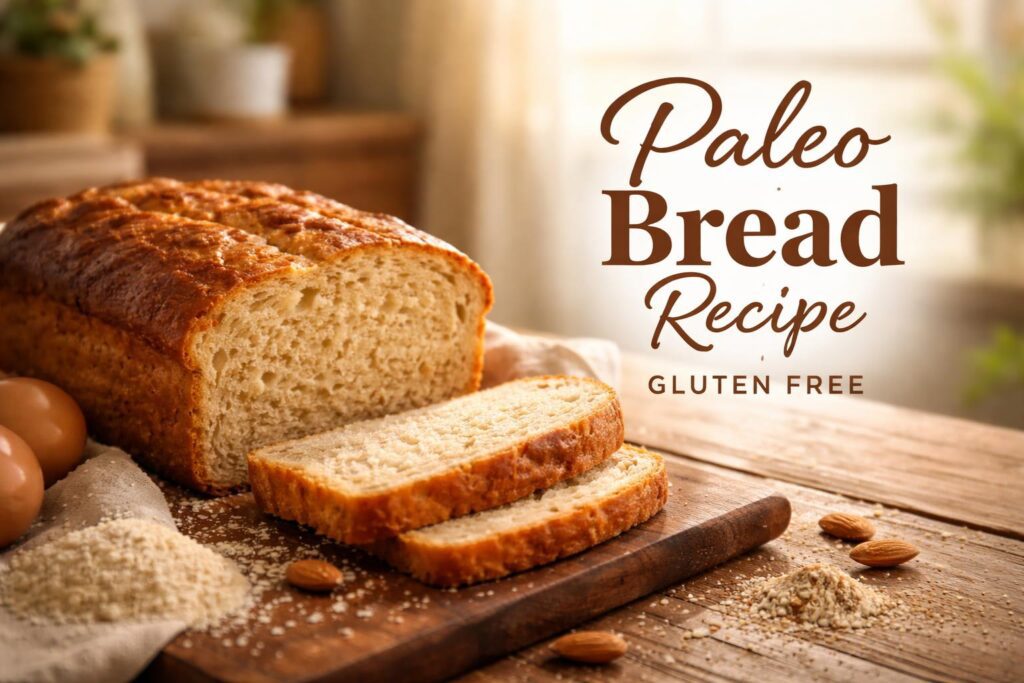
Traditional bread depends heavily on wheat flour, yeast, and gluten to create that fluffy rise many people know and love. Paleo bread flips that script completely. Instead of grains, it uses nutrient-dense ingredients like almond flour, coconut flour, flaxseed meal, and eggs. That means every slice offers more protein, healthy fats, and fiber while skipping refined grains altogether. If standard bread is like an old gas-powered car, paleo bread is the electric version—modern, efficient, and built differently from the ground up.
The biggest reason people search for a paleo bread recipe gluten free is simple: they want bread without digestive discomfort. Gluten can be troublesome for some people, and many want alternatives that feel lighter and cleaner. Paleo bread naturally avoids wheat, barley, and rye, making it an ideal fit for gluten-free lifestyles. Recent recipe trends in 2026 continue showing strong interest in seed-based and almond flour breads, especially homemade options that avoid additives.
Unlike store-bought gluten-free bread that often feels dry or crumbly, homemade paleo bread can be moist, rich, and satisfying. Once you learn the basics, it becomes easy to bake loaves that actually taste like real comfort food. That’s the magic here: bread reinvented without sacrificing joy.
Benefits of Paleo Gluten-Free Bread
One of the first things people notice after switching to paleo bread is how filling it feels. A slice made from almond flour, eggs, and seeds often satisfies hunger far longer than white bread. That happens because protein and healthy fats digest more slowly than refined carbs. Instead of a fast energy spike followed by a crash, you get steadier fuel throughout the day. It’s the breakfast equivalent of a slow-burning candle instead of a sparkler.
Digestive comfort is another major benefit. Many gluten-free eaters report feeling better when they remove processed wheat products. Paleo bread skips gluten while also avoiding many gums and fillers commonly found in packaged gluten-free loaves. Homemade recipes keep the ingredient list short and familiar, which many health-conscious bakers appreciate.
Nutritionally, paleo bread often outperforms standard bread. Almond flour contributes vitamin E, magnesium, and monounsaturated fats. Seeds can add fiber and minerals. Some modern paleo seed breads now advertise around 10 grams of protein per slice, showing how nutrient-dense these recipes have become.
Then there’s flavor. Yes, flavor. Many assume healthy bread must taste boring. In reality, paleo bread can be nutty, rich, slightly sweet, and deeply satisfying when toasted. Add avocado, almond butter, or eggs on top, and suddenly healthy eating feels luxurious.
Essential Ingredients for Paleo Bread
The backbone of any great paleo bread recipe gluten free is flour replacement. Almond flour is usually the star. It creates softness, moisture, and a pleasant nutty taste. Use finely blanched almond flour whenever possible, because coarse almond meal can make bread dense or gritty.
Coconut flour often plays a supporting role. It absorbs moisture like a sponge, so only small amounts are needed. Think of coconut flour as a tiny but powerful ingredient—too little and batter feels wet, too much and bread turns dry. Balance matters here.
Eggs are crucial in many paleo breads. Since there’s no gluten structure, eggs provide lift, binding, and softness. They act like the invisible scaffolding holding the loaf together. Apple cider vinegar and baking soda are also common because they create rise and tenderness when combined.
Many bakers now include flaxseed meal, chia seeds, or psyllium husk for texture and fiber. These ingredients help mimic elasticity lost when gluten disappears. If you’ve ever wondered how grain-free bread still slices nicely, this is often the secret.
Healthy fats such as olive oil, avocado oil, or coconut oil round out the recipe. They improve moisture and richness. Together, these ingredients work like a team of specialists, each solving a problem wheat flour used to handle alone.
Best Paleo Bread Recipe Gluten Free
Ingredients List
- 2 cups almond flour
- 1/4 cup coconut flour
- 1/4 cup ground flaxseed
- 1 tsp baking soda
- 1/2 tsp sea salt
- 5 large eggs
- 1 tbsp apple cider vinegar
- 1/4 cup olive oil
- 1 tbsp honey (optional)
- 1/4 cup unsweetened almond milk
Step-by-Step Instructions
Preheat your oven to 350°F (175°C). Line a loaf pan with parchment paper or grease it lightly. In one bowl, whisk almond flour, coconut flour, flaxseed, baking soda, and salt until evenly combined. In another bowl, beat eggs thoroughly, then add olive oil, vinegar, almond milk, and honey.
Combine wet and dry ingredients gently. Let the batter sit for two minutes so coconut flour can absorb moisture. This step is small but powerful because it prevents watery batter. Pour mixture into the loaf pan and smooth the top.
Bake for 35 to 45 minutes, or until golden brown and a toothpick comes out clean. Let the loaf cool fully before slicing. That cooling period helps structure set, which means cleaner slices and better texture.
The result is a loaf that toasts beautifully, works for sandwiches, and tastes rich without being heavy. It’s proof that healthy bread doesn’t need compromise.
Baking Tips for Perfect Texture
Dry paleo bread is the complaint everyone fears, but it’s usually avoidable. First, measure flour carefully. Almond flour should be spooned and leveled, not packed. Coconut flour especially must be precise because even an extra tablespoon can shift texture dramatically.
Second, don’t overbake. Paleo breads continue cooking slightly after removal from the oven. Pulling the loaf once a tester comes out mostly clean is often smarter than waiting for complete dryness. Moisture retention matters more than a dark crust.
Third, allow cooling time. Slicing hot bread is tempting, but it often creates gummy centers or crumbling slices. Give it at least 30 minutes. Think of it as letting the bread finish its final exam in peace.
If you want softer bread, add an extra tablespoon of oil or a splash more almond milk next time. If you want firmer sandwich slices, reduce liquid slightly. Paleo baking is less rigid science and more conversation between ingredients.
Flavor Variations
Seed lovers should absolutely try a rustic version loaded with sunflower seeds, pumpkin seeds, and sesame seeds. This adds crunch, fiber, and bakery-style appeal. Current recipe trends strongly favor seeded paleo loaves because they feel hearty and artisanal.
For savory fans, add garlic powder, rosemary, thyme, or Italian herbs. Suddenly your loaf pairs beautifully with soups and salads. Toasted slices rubbed with olive oil become a restaurant-worthy side dish.
Want breakfast vibes? Add cinnamon and a touch more honey. Serve toasted with almond butter and banana slices. It tastes indulgent while staying grain-free.
You can even make mini muffins from the same batter. Reduce baking time and enjoy portable paleo bread bites. Flexibility is one reason these recipes remain so popular.
Storage and Freezing
Because homemade paleo bread lacks preservatives, storage matters. Keep it wrapped in the refrigerator for up to five days. The fridge helps preserve moisture and freshness while preventing spoilage from eggs and natural ingredients.
For longer storage, slice the loaf first and freeze pieces individually. Then pull out slices as needed and toast straight from frozen. This saves time and prevents waste. It’s like having a healthy bakery in your freezer.
Avoid leaving it uncovered, since almond flour breads dry out faster than wheat loaves. Airtight containers are your friend here.
Common Mistakes to Avoid
Using coarse almond meal instead of fine almond flour can make bread dense. Skipping eggs or swapping too many ingredients at once often leads to collapse. Overmixing can flatten air bubbles, while underbaking causes gummy centers.
Another common mistake is expecting wheat bread texture exactly. Paleo bread is different by design. It may be denser, richer, and more filling—and that’s a strength, not a flaw. When expectations match reality, satisfaction rises instantly.
Conclusion
A great paleo bread recipe gluten free gives you everything you want from bread without relying on wheat or processed fillers. It can be hearty, flavorful, protein-rich, and surprisingly easy to bake at home. Whether you want better digestion, cleaner ingredients, or a healthier breakfast option, paleo bread delivers.
Once you bake your first loaf, you may never look at packaged gluten-free bread the same way again. Fresh slices, warm aroma, real ingredients, and endless topping ideas—what’s not to love?
FAQs
1. Is paleo bread always gluten free?
Yes, true paleo bread avoids grains like wheat, barley, and rye, so it is naturally gluten free.
2. Why is my paleo bread crumbly?
Usually from too little moisture or too much coconut flour. Accurate measuring helps.
3. Can I make paleo bread without eggs?
Yes, but texture changes. Flax eggs or chia eggs can work in some recipes.
4. Is paleo bread keto-friendly?
Often yes, especially almond flour versions with low added sweeteners.
5. Can I toast paleo bread?
Absolutely. Many people say it tastes even better toasted.