


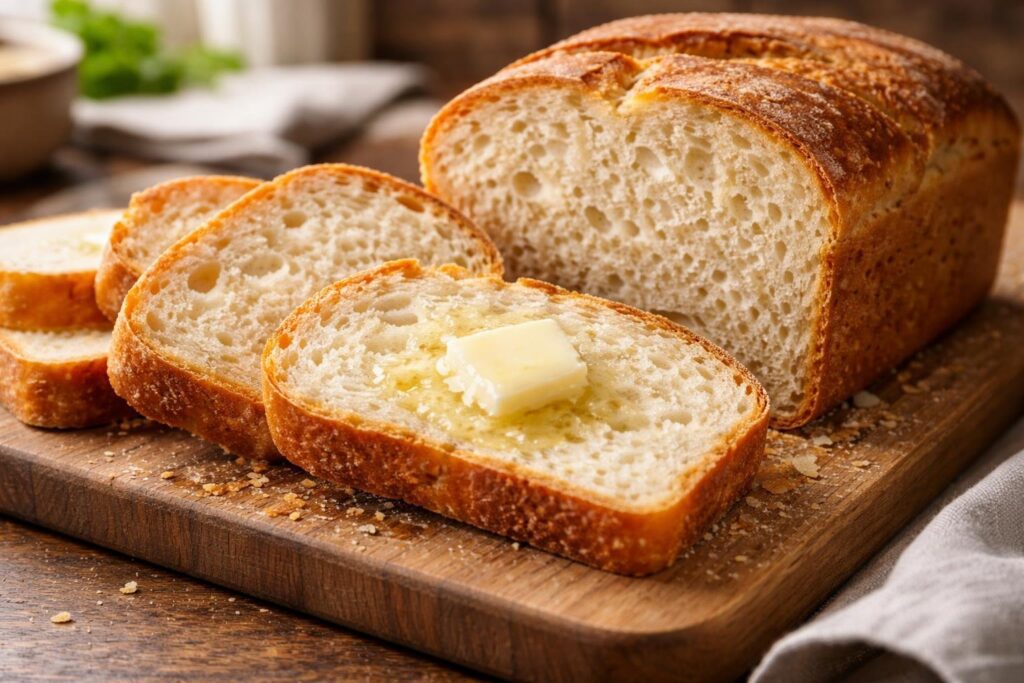
If you have ever bought a loaf of gluten free bread and thought, Why does this taste like cardboard wearing a sponge costume? you are not alone. Many gluten free loaves miss the mark on texture, flavor, and that satisfying chew people associate with traditional wheat bread. The good news is that homemade gluten free bread has improved dramatically, and recent baking trends in 2025–2026 show one ingredient appearing again and again in successful recipes: psyllium husk. It helps mimic gluten’s stretch and structure, creating bread that slices beautifully and tastes far closer to the real thing

Why Most Gluten Free Bread Disappoints
Let’s be honest. Traditional bread gets much of its magic from gluten. Gluten forms stretchy networks that trap gas from yeast, helping dough rise while creating a chewy interior and light crumb. Remove gluten, and bread can become fragile, dense, or strangely gummy. That is why many store-bought gluten free loaves feel dry one minute and sticky the next. It is not just about removing wheat—it is about rebuilding structure from scratch.
Flavor is another issue. Many commercial brands lean heavily on starches like tapioca or potato starch. These ingredients help texture but can taste bland if not balanced with richer flours. Think of it like building a house with only drywall and no wood framing. It might stand for a moment, but it lacks character. Great gluten free bread needs both engineering and personality.
The Secret to Better Gluten Free Bread
The breakthrough ingredient in many highly rated recent recipes is psyllium husk powder. Bakers consistently report that psyllium creates a gel-like network that traps moisture and supports rise, helping bread hold together like regular wheat loaves. It is one reason so many modern gluten free bread recipes now rely on it instead of only xanthan gum.
The second secret is using a balanced flour blend. Instead of one flour, the best loaves combine starch plus whole-grain flours. White rice flour gives neutrality, sorghum adds mild sweetness, oat flour adds softness, and starches keep the crumb light. Using only one flour is like asking a single musician to play an orchestra. Bread needs teamwork.
Ingredients You Need
Here is a reliable formula for a loaf that tastes remarkably close to real sandwich bread.
| Ingredient | Amount | Purpose |
|---|---|---|
| Warm water | 1 ¾ cups | Hydration |
| Instant yeast | 2 ¼ tsp | Rise |
| Sugar or honey | 2 tbsp | Feed yeast + flavor |
| Olive oil | 3 tbsp | Soft crumb |
| Eggs | 2 large | Structure |
| Psyllium husk powder | 2 tbsp | Elastic texture |
| Rice flour | 1 ½ cups | Main flour |
| Sorghum flour | 1 cup | Flavor + softness |
| Tapioca starch | 1 cup | Lightness |
| Salt | 1 ½ tsp | Flavor |
Optional boosters include one teaspoon apple cider vinegar for rise, one tablespoon milk powder for softness, or a touch of butter flavor if you miss bakery-style richness.
Step-by-Step Recipe
Mixing the Dough
Start by combining warm water, sugar, and yeast. Let it sit for five minutes until foamy. This tells you the yeast is awake and ready to work. In another bowl, whisk psyllium husk into the wet ingredients and let it thicken briefly. You will notice it becoming gel-like. That strange jelly texture is exactly what helps mimic gluten later.
Now add eggs, oil, and all dry ingredients. Beat with a mixer for about five minutes. Gluten free dough is usually more like thick cake batter than kneadable wheat dough, so do not panic. You are not making classic dough here—you are building a new kind of system.
Proofing Properly
Transfer the batter to a greased loaf pan and smooth the top with wet fingers or a spatula. Cover loosely and let it rise in a warm place for 35–50 minutes, until the dough domes above the rim. Avoid over-proofing. If it rises too much before baking, it may collapse like a balloon with a leak.
Baking for Best Rise
Bake at 375°F (190°C) for 45–55 minutes. If the top browns too quickly, tent with foil after 30 minutes. The loaf should sound hollow when tapped and reach an internal temperature around 205°F if you use a thermometer. Let it cool fully before slicing. Cutting early traps steam and can create a gummy center.
Troubleshooting Common Problems
Dense Loaf
If your bread is heavy, the yeast may have been weak, the water too hot, or the dough under-mixed. Recent bakers frequently note that longer mixing improves gluten free bread texture because it evenly hydrates ingredients.
Gummy Center
This often comes from underbaking or too much binder. Several modern baking guides warn that excessive psyllium can make bread heavy and sticky. Measure carefully.
Crumbly Slices
Usually this means not enough moisture or insufficient binder. Gluten free bread often improves after resting overnight because moisture redistributes through the loaf.
How to Make It Taste Like Bakery Bread
Flavor matters just as much as texture. Add one tablespoon honey even if you prefer savory bread—it rounds out flavor without making bread sweet. Use olive oil or melted butter for richness. Sprinkle oats or sesame seeds on top for artisan appeal.
For crust, brush the top lightly with oil before baking. Bake with a small tray of hot water in the oven during the first 15 minutes to create steam. Steam delays crust formation, helping rise and giving you that bakery-style exterior. It is the same principle used by professional bakers.
Want deeper flavor? Let the batter rest in the fridge overnight before proofing the next day. Slow fermentation can create more developed notes, similar to traditional bread.
Storage and Freezing
Homemade gluten free bread is best within two days at room temperature, tightly wrapped. After that, slice and freeze it. Toasting frozen slices often brings them back beautifully. In fact, many gluten free breads taste better toasted because heat revives softness and enhances crust texture.
Avoid refrigerating the loaf unless your kitchen is very hot. Refrigerators can stale bread faster than room temperature storage. Think of the freezer as pause mode and the fridge as slow-motion disappointment.
Conclusion
A truly satisfying gluten free bread recipe that tastes like real bread is no longer a fantasy. With the right flour blend, enough hydration, and especially psyllium husk, you can create a loaf with spring, chew, flavor, and sliceability that rivals many wheat breads. The secret is not copying wheat bread exactly—it is understanding what makes bread enjoyable and recreating those qualities intelligently.
Once you bake one successful loaf, you may never go back to expensive store-bought options again. Your kitchen starts smelling like a bakery, your toast gets better, and sandwiches become exciting again. That is a pretty good trade.
FAQs
frecipe
1. Can I make this gluten free bread without eggs?
Yes. Use flax eggs or commercial egg replacer, though texture may be slightly less airy.
2. Is psyllium husk necessary?
For the best “real bread” texture, it is highly recommended. It improves elasticity and moisture retention.
3. Which gluten free flour tastes best?
A blend using rice flour, sorghum, and tapioca often gives the best balance of flavor and softness.
4. Why does my loaf sink after baking?
Usually over-proofing or underbaking. Let it rise only until slightly above the pan rim.
5. Can I use a bread machine?
Yes, many users report success with gluten free bread machine settings when using psyllium-based recipes.