





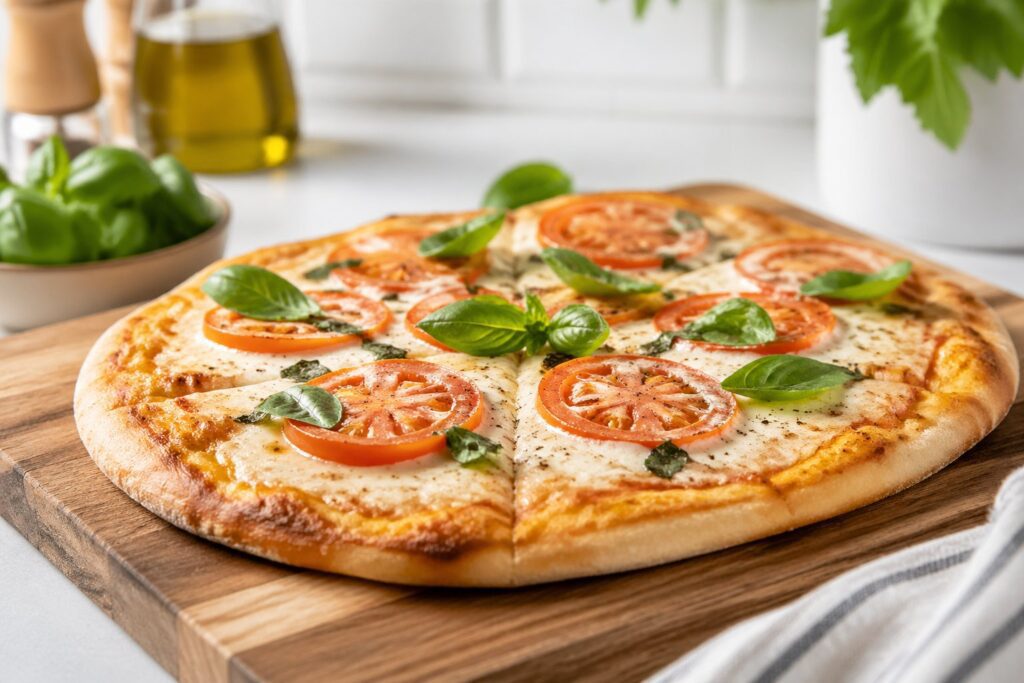
High protein Greek yogurt pizza dough is one of those kitchen shortcuts that feels almost too good to be true. Imagine making pizza dough without yeast, long waiting times, or complicated techniques—just a few ingredients mixed in a bowl, and you’re halfway to a delicious meal. At its core, this dough combines flour and thick Greek yogurt to create a soft, pliable base that bakes into a chewy, satisfying crust. The magic lies in the yogurt itself, which adds both moisture and protein, transforming a traditionally carb-heavy food into something more balanced and nutritious.

What makes this dough particularly exciting is how accessible it is. You don’t need to be a professional baker or even someone who cooks often. If you can mix and roll, you can make this dough. It’s perfect for busy weeknights, quick lunches, or even post-workout meals when your body is craving protein. This style of dough can deliver around 7–10 grams of protein per slice, nearly doubling the protein content of traditional pizza crust. That’s a big deal if you’re trying to eat healthier without giving up comfort food.
Why It’s Trending in 2026
The rise of high protein Greek yogurt pizza dough isn’t happening by accident. Over the past couple of years, people have become more aware of how important protein is—not just for athletes, but for everyday health. From weight management to muscle repair, protein plays a central role in how our bodies function. This dough fits perfectly into that mindset because it transforms a traditionally indulgent food into something that supports fitness goals.
Another reason for its popularity is convenience. Traditional pizza dough requires yeast, proofing time, and a bit of patience. This version skips all of that. You can go from mixing ingredients to eating pizza in under 30 minutes, which is a huge win for anyone juggling work, family, or studies. Recipes using Greek yogurt dough often take about 20–25 minutes total, making them one of the fastest homemade pizza options available.
How It Differs from Traditional Pizza Dough
Traditional pizza dough relies on yeast fermentation to create that airy, chewy texture we all love. While delicious, it comes with a trade-off: time and complexity. Greek yogurt dough, on the other hand, uses the natural thickness and acidity of yogurt to mimic that texture without fermentation. The result is slightly denser but still soft and satisfying.
Another major difference is nutritional value. Regular pizza dough is mostly refined carbohydrates, with minimal protein. Greek yogurt dough flips that ratio by adding a significant protein boost. This makes it more filling, meaning you’re less likely to overeat. It also tends to be lower in calories, especially when made with non-fat yogurt. In many recipes, a serving comes in at around 400 calories with over 11 grams of protein, depending on toppings.
Nutritional Benefits of Greek Yogurt Dough
Protein Content Compared to Regular Dough
Protein is the star of the show here, and for good reason. Traditional pizza crust typically offers just 4–6 grams of protein per slice, which isn’t much when you think about your daily needs. In contrast, high-protein versions made with Greek yogurt can deliver up to 22–25 grams per serving, depending on the recipe and portion size. That’s a massive upgrade.
This higher protein content doesn’t just help with muscle building—it also keeps you full for longer. Have you ever eaten pizza and felt hungry again an hour later? That’s because it’s mostly carbs. Adding protein changes the game by stabilizing blood sugar and reducing cravings.
Low-Calorie and Macro-Friendly Advantages
Another big advantage is how well this dough fits into modern diets. Whether you’re counting calories, tracking macros, or just trying to eat cleaner, Greek yogurt pizza dough is incredibly flexible. Many recipes come in at around 180–220 calories per slice, making it easier to enjoy pizza without guilt.
The use of Greek yogurt also brings additional benefits. It’s naturally rich in calcium, probiotics, and essential amino acids, which support everything from bone health to digestion. Because it’s strained, Greek yogurt contains significantly more protein than regular yogurt, making it a powerhouse ingredient in this recipe.
Ingredients You Need Core 2-Ingredient Dough
At its simplest, this recipe requires just two ingredients: flour and Greek yogurt. That’s it. Typically, you’ll use equal parts of each—about one cup of flour and one cup of yogurt. This ratio creates a dough that’s easy to handle and doesn’t require much kneading.
The beauty of this simplicity is that it leaves plenty of room for customization. You can use self-rising flour for convenience or add baking powder if you’re using all-purpose flour. Either way, the result is a soft dough that comes together in minutes.
Optional Add-Ins for Flavor and Texture
While the basic recipe works perfectly on its own, adding a few extra ingredients can elevate the flavor. A pinch of salt, some garlic powder, or Italian seasoning can make a big difference. If you’re feeling adventurous, you can even mix herbs directly into the dough for a more complex taste.
Step-by-Step Recipe Guide Mixing the Dough
Start by combining your flour and Greek yogurt in a bowl. Use a spoon or spatula to mix until a rough dough forms. It might look a bit sticky at first, but that’s completely normal. Keep mixing until everything is fully incorporated.
Rolling and Shaping
Transfer the dough to a floured surface and knead it lightly for a couple of minutes. Once it’s smooth, roll it out into your desired shape. Whether you prefer a thin crust or something thicker, this dough is easy to work with.
Pre-Baking Tips
One of the most important steps is pre-baking the crust. Bake it for about 10 minutes before adding toppings. This helps prevent sogginess and ensures a crisp base.
Final Baking Process
After pre-baking, add your sauce, cheese, and toppings. Return the pizza to the oven and bake until the cheese is melted and bubbly. In most cases, this takes another 10–15 minutes.
Tips for Perfect Texture Avoiding Sticky Dough
If your dough feels too sticky, don’t panic. Just add a little more flour until it becomes manageable. The goal is a soft, slightly tacky texture—not something that sticks to your hands.
Getting Crispy Edges
For that perfect crispy edge, roll the dough thinner and bake it on a hot surface. A pizza stone or preheated tray works wonders.
Variations of Greek Yogurt Pizza Dough
Gluten-Free Version
You can easily make this dough gluten-free by swapping regular flour for a gluten-free blend. Just make sure it includes a binding agent like xanthan gum for the best results.
Low-Carb & Keto Adaptations
For a lower-carb version, try using almond flour or coconut flour. Some recipes even add egg whites for extra protein and structure.
Best Toppings for High Protein Pizza
Lean Protein Options
If you’re aiming for maximum protein, your toppings matter just as much as the dough. Options like grilled chicken, turkey pepperoni, and lean ham are excellent choices. Some recipes achieve up to 64 grams of protein per pizza with the right toppings.
Vegetarian Protein Choices
Vegetarians aren’t left out either. Ingredients like mozzarella, cottage cheese, and even chickpeas can boost protein while keeping the pizza meat-free.
Common Mistakes to Avoid
One of the biggest mistakes people make is skipping the pre-bake step. This almost always leads to a soggy crust that feels disappointing after all your effort. Another issue is using yogurt that’s too watery, which can throw off the dough’s consistency and make it harder to shape. Overloading the pizza with toppings is another trap—it might seem like a good idea, but it often results in uneven cooking and a limp base. Paying attention to these details makes all the difference between an average pizza and one that feels like a restaurant-quality creation.
Meal Prep and Storage Tips
If you’re someone who likes to plan meals ahead, this dough fits perfectly into your routine. You can prepare it in advance and store it in the refrigerator for up to three days without losing quality. For longer storage, freezing works incredibly well. Simply wrap the dough tightly and store it for up to three months. When you’re ready to use it, let it thaw in the fridge overnight and proceed as usual. Pre-baked crusts can also be frozen, making weeknight dinners even easier. It’s like having your own personal pizza shop ready whenever cravings hit.
Who Should Eat High Protein Pizza?
This recipe isn’t just for fitness enthusiasts—it’s for anyone who wants to enjoy pizza without the usual guilt. Athletes benefit from the higher protein content, which supports muscle recovery and growth. Busy professionals appreciate how quick and easy it is to prepare. Even families can enjoy it as a healthier alternative to takeout. The versatility of this dough makes it suitable for almost every lifestyle, whether you’re focused on weight loss, muscle gain, or simply eating better.
Conclusion
High protein Greek yogurt pizza dough is more than just a clever recipe—it’s a game-changer for how we think about comfort food. It proves that you don’t have to sacrifice flavor to make healthier choices. With minimal ingredients, quick preparation, and impressive nutritional benefits, it’s easy to see why this trend continues to grow. Once you try it, it becomes one of those go-to recipes that you keep coming back to again and again.
FAQs
1. Can I use regular yogurt instead of Greek yogurt?
Regular yogurt is thinner and contains less protein, so it won’t give the same results. Greek yogurt is strongly recommended for the right texture and consistency.
2. Is this dough good for weight loss?
Yes, it’s lower in calories and higher in protein, which can help keep you full longer and support calorie control.
3. Can I make it vegan?
You can try plant-based yogurt alternatives, but results may vary depending on thickness and protein content.
4. How do I make the crust crispier?
Roll the dough thinner and pre-bake it before adding toppings. Using a hot baking surface also helps.
5. Can I freeze the dough?
Absolutely. It freezes well for up to three months and retains its texture after thawing.