
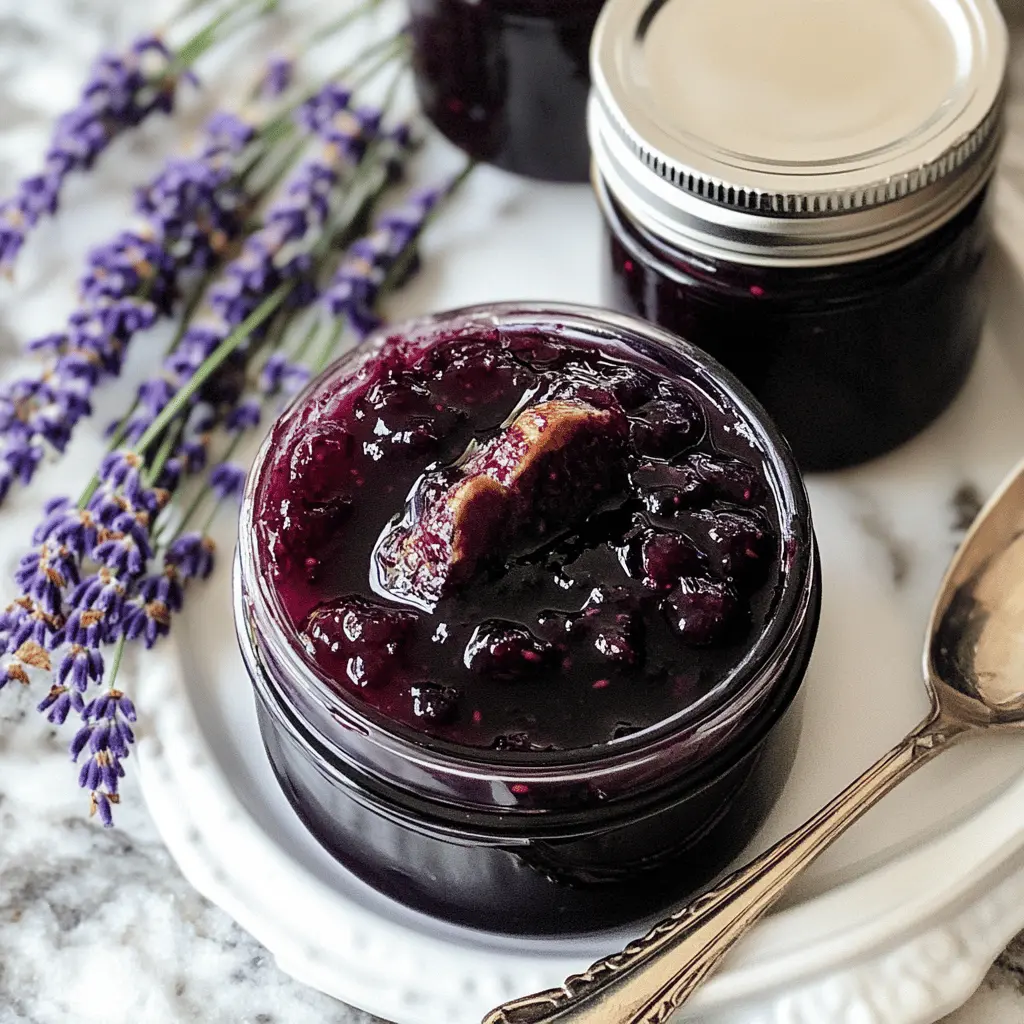




There’s a moment in early summer when blueberries hit their peak and lavender starts blooming in the garden, and if you’ve never combined the two, you’re missing one of the most quietly impressive preserves you can make at home. Blueberry lavender jam has that rare quality of tasting both comforting and a little bit fancy — sweet, jammy blueberry with a floral whisper that lingers just behind the fruit.
I’ve made this jam for farmers market stalls, brunch spreads, and gift baskets, and it never fails to get a “wait, what’s in this?” from whoever tries it. Below is my go-to method, along with the tips that took me a few too many overly-perfumed batches to learn.
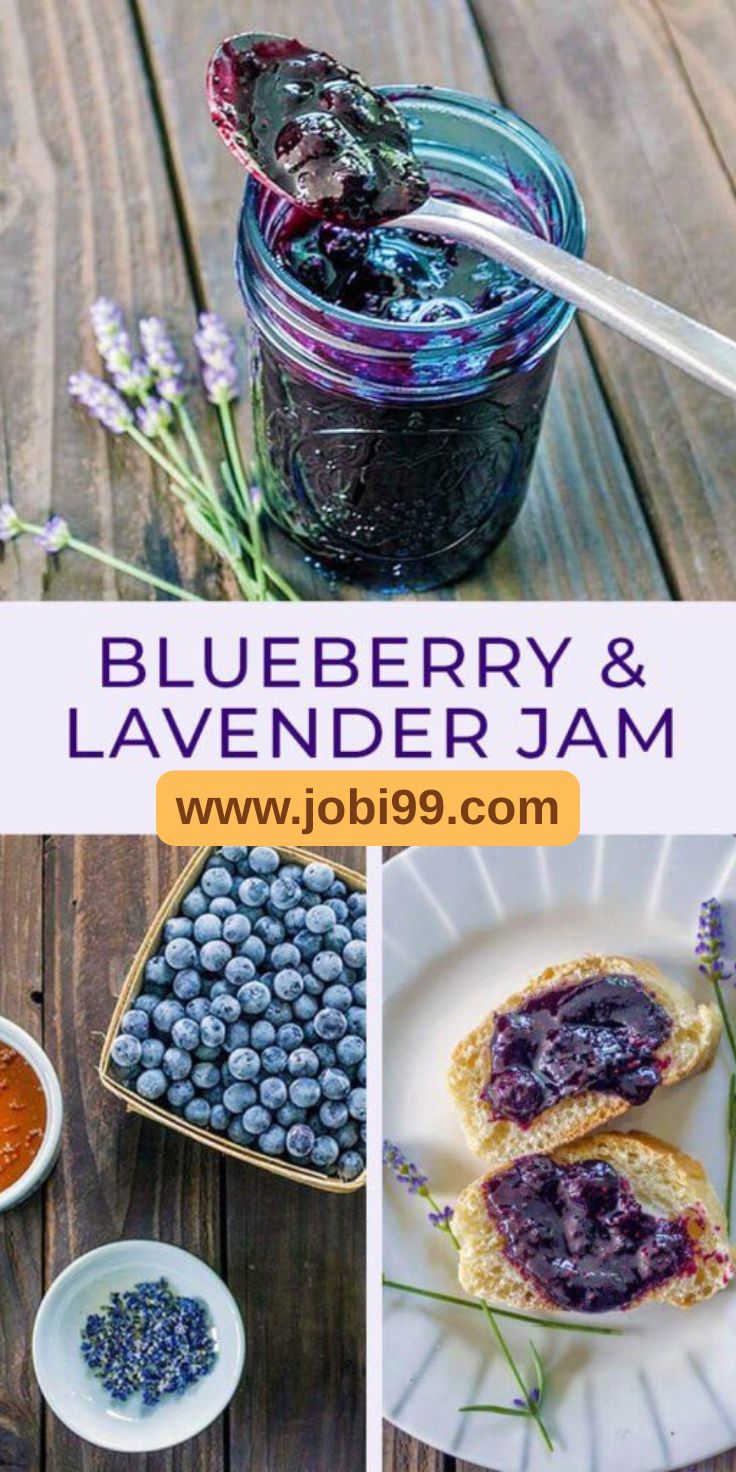
Blueberry Lavender Jam Recipe (Easy Homemade Guide) 2026
Why This Recipe Works
- The lavender is steeped, not boiled directly in the jam. This is the single biggest trick for avoiding jam that tastes like soap. Steeping the buds in hot water first and straining them out gives you all the floral aroma without the bitter, waxy edge that comes from cooking lavender buds directly in sugar.
- A mix of crushed and whole berries keeps the texture interesting — spreadable, but still visibly studded with fruit.
- Lemon juice and zest brighten the jam and help the pectin set properly, since low-acid fruits like blueberries need a boost to gel well.
Blueberry Lavender Jam Ingredients
- 4 cups fresh or frozen blueberries
- 2 tablespoons dried culinary lavender buds
- 1/4 cup boiling water
- 1/4 cup fresh lemon juice
- Zest of 1 lemon
- 3 cups granulated sugar, divided
- 3 tablespoons powdered fruit pectin
- Pinch of fine sea salt
A note on lavender: always use culinary-grade dried lavender, sold specifically for cooking or baking. Lavender sold for potpourri or floral arrangements may be treated with pesticides not meant for consumption.
How to Make Blueberry Lavender Jam
- Steep the lavender. Pour the boiling water over the lavender buds and let steep for 10 minutes, then strain, keeping the liquid and discarding the buds.
- Prep the blueberries. Rinse the berries and add them to a wide, heavy-bottomed pot. Mash about two-thirds of them with a potato masher, leaving the rest whole.
- Add the aromatics. Stir in the lavender liquid, lemon juice, and lemon zest. Set the pot over medium-high heat.
- Whisk in the pectin. Combine the pectin with 1/4 cup of the sugar to prevent clumping, then stir it into the pot.
- Bring to a rolling boil, stirring constantly, for about 5 minutes.
- Add the remaining sugar and salt all at once, return to a full rolling boil, and boil hard for exactly 1 minute.
- Skim off any foam and test the set on a chilled plate — it’s ready when it wrinkles under light pressure.
- Jar it up, leaving 1/4 inch headspace, and either water-bath can for shelf storage or refrigerate for short-term use.
- Let cool undisturbed for 12–24 hours before checking the seals.
(For exact measurements and an interactive, servings-adjustable version of this recipe, see the recipe card above.)
Chef’s Tips for the Best Blueberry Lavender Jam
- Don’t skip the wide pot. Jam needs surface area to reduce and reach a proper boil; a narrow saucepan will take forever and cook unevenly.
- Taste your lavender liquid before adding it. Lavender potency varies by batch — if it tastes strongly floral already, use a little less.
- Frozen blueberries work fine and are often more consistent in sweetness than fresh, though you may need an extra minute or two of cooking to account for the added liquid.
- Sterilize your jars by running them through a hot dishwasher cycle or boiling them for 10 minutes before filling.
How to Store Blueberry Lavender Jam
- Refrigerator: Up to 3 weeks in a sealed jar.
- Water-bath canned (shelf-stable): Up to 1 year in a cool, dark pantry, unopened. Once opened, refrigerate and use within 3 weeks.
- Freezer: Up to 1 year in freezer-safe jars, leaving extra headspace for expansion.
What to Serve With Blueberry Lavender Jam
This jam earns its place well beyond breakfast toast:
- Swirled into plain yogurt or oatmeal
- Spooned over a warm slice of pound cake or shortbread
- Paired with soft cheeses like brie or goat cheese on a cheese board
- Used as a filling for thumbprint cookies or a glaze for baked brie
Frequently Asked Questions
Can I use fresh lavender instead of dried?
Yes, but use about three times the amount, since fresh lavender is less concentrated. Make sure it’s pesticide-free and labeled for culinary use.
My jam didn’t set. What went wrong?
The most common causes are not reaching a true rolling boil, measuring pectin or sugar incorrectly, or doubling the recipe (jam sets best in single batches). You can re-boil the jam with an extra tablespoon of pectin dissolved in water to fix a runny batch.
Can I reduce the sugar?
Regular powdered pectin needs a specific sugar ratio to set properly, so reducing it will likely leave you with syrup instead of jam. For a lower-sugar version, use a low or no-sugar-needed pectin and follow the ratio on that specific product’s package.
Is blueberry lavender jam safe to can at home?
Yes, when using standard water-bath canning methods with properly sterilized jars, correct headspace, and a full 10-minute processing time, this jam is safe for shelf storage. If you’re new to canning, the National Center for Home Food Preservation is a reliable reference for safety guidelines.