

Why Almond Flour Keto Bread Is So Popular
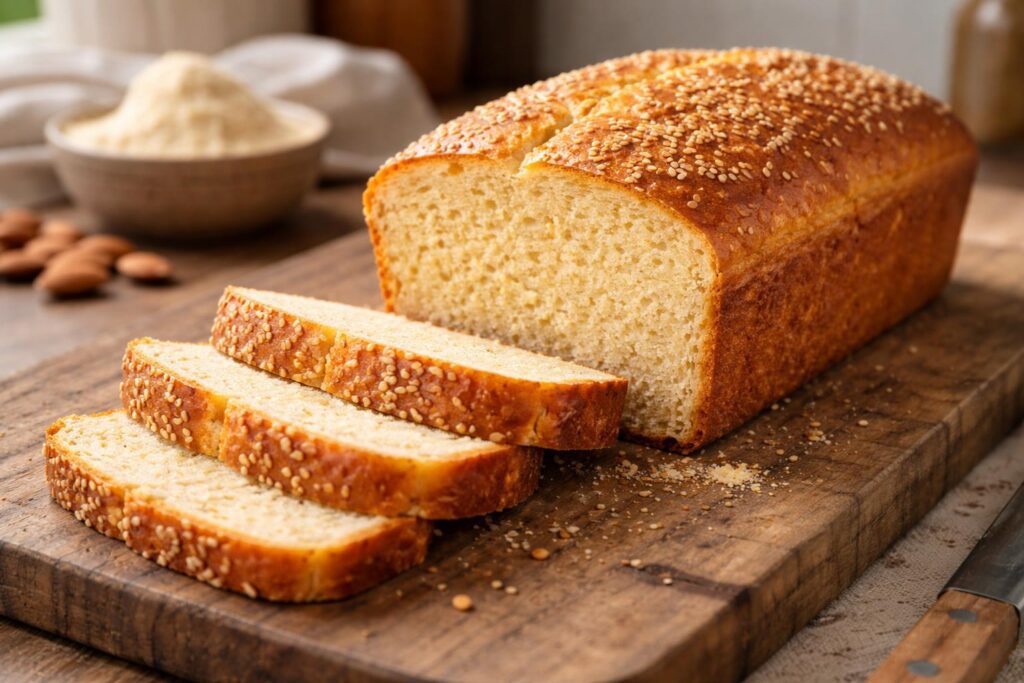
Not all keto breads are equal. Some taste like sponge, some crumble like sand, and others feel more like omelet than bread. That’s why almond flour remains a favorite. It creates a softer texture, mild flavor, and better moisture compared with coconut flour-heavy recipes. Many current recipe developers still recommend almond flour because it mimics the richness of traditional bread better than harsher low-carb flours.
Almond flour also fits keto macros beautifully. It is naturally lower in carbs than wheat flour while offering healthy fats and some protein. That means your loaf can be filling without causing the carb spike many people try to avoid. Think of it like trading a sugar-loaded roller coaster for a steady cruise.

There’s also a practical benefit: almond flour is easy to find now. Grocery stores, health shops, and online retailers commonly stock it. So instead of chasing rare specialty ingredients, you can build a dependable recipe around one popular pantry staple. That’s a win for both beginners and regular bakers.
Ingredients You Need
Essential Ingredients
Here’s the foundation for a reliable loaf:
| Ingredient | Purpose |
|---|---|
| Almond flour | Main flour, soft texture |
| Eggs | Structure and lift |
| Baking powder | Helps bread rise |
| Butter or olive oil | Moisture and richness |
| Salt | Flavor balance |
| Apple cider vinegar | Supports leavening |
Many leading keto bread recipes use a similar formula with eggs, almond flour, and leavening because these ingredients consistently produce the best loaf structure.
Optional Flavor Boosters
You can also add:
- Garlic powder
- Italian herbs
- Chia or flax meal
- Sesame seeds
- Cinnamon (for sweet version)
- Shredded cheese
These extras turn a plain loaf into something memorable.
Equipment for Best Result
You don’t need a fancy kitchen to make this bread. A loaf pan, mixing bowls, whisk, spatula, and oven are enough. An 8×4-inch loaf pan often gives better height than a wider pan because the batter rises upward instead of spreading outward. Some bakers notice flatter loaves in larger pans, which is a common issue in keto baking.
Parchment paper is another smart move. Keto breads can be delicate while warm, and parchment helps lift the loaf cleanly. A cooling rack also matters more than people think. If steam gets trapped underneath, the bottom can turn damp. Small tools, big difference.
Step-by-Step Easy Keto Bread Recipe
Mixing the Batter
Ingredients:
- 2 cups almond flour
- 4 eggs
- 1/4 cup melted butter or olive oil
- 1 tbsp baking powder
- 1 tbsp apple cider vinegar
- 1/2 tsp salt
Method:
- Preheat oven to 350°F (175°C).
- Line loaf pan with parchment paper.
- Whisk eggs until slightly frothy.
- Add melted butter and vinegar.
- Stir in almond flour, baking powder, and salt.
- Mix until smooth batter forms.
The batter should be thicker than cake batter but still spreadable. If it looks dry, let it rest for one minute. Almond flour absorbs moisture slowly, and the texture often evens out naturally.
Baking the Loaf
Pour batter into the pan and smooth the top. Bake for 30–40 minutes until golden brown and a toothpick comes out clean. Several popular almond flour keto bread recipes land in this same bake range depending on pan size and oven strength.
Don’t open the oven early. Keto breads rely on trapped heat to rise properly. Opening the door too soon can make the center collapse like a balloon losing air.
Cooling and Slicing
Let the loaf cool in the pan for 10 minutes, then transfer to a rack. Wait until fully cool before slicing. This part tests patience, but warm keto bread can seem gummy if cut too soon. Once cooled, slices become cleaner and firmer.
Nutrition and Carb Count
Exact nutrition depends on brand choices, but many almond flour keto bread recipes average 2–4g net carbs per slice. Some current recipes list around 2g net carbs, while seeded versions may land slightly higher.
That’s dramatically lower than regular white bread, which often contains 12g+ carbs per slice. If traditional bread is a carb avalanche, keto bread is a measured snowfall. You still enjoy the moment without burying your goals.
Common Mistakes to Avoid
The biggest mistake is using coarse almond meal instead of fine blanched almond flour. Coarse meal creates gritty, dense bread. Multiple recipe experts specifically recommend superfine almond flour for the best texture.
Another issue is overbaking. Keto breads can go from golden to dry quickly. Start checking early. Also avoid under-seasoning. Salt seems minor, but without it the loaf tastes flat.
Too many substitutions can sabotage results. Coconut flour, for example, absorbs moisture very differently and doesn’t replace almond flour one-to-one. If you swap casually, you may end up with brick-shaped disappointment.
How to Store and Freeze Keto Bread
Store cooled bread in an airtight container in the fridge for up to 5 days. Many bakers refrigerate almond flour bread because the higher fat content stays fresher chilled.
For longer storage, slice the loaf first and freeze parchment-separated slices. Then toast directly from frozen. This saves time and prevents waste. It’s like meal prep disguised as comfort food.
Avoid leaving it on the counter too long in warm climates. Nut-based breads can spoil faster than standard bread.
Best Ways to Eat Almond Flour Bread
This loaf shines when toasted. Toasting improves texture and gives crisp edges with a soft middle. Add butter, avocado, peanut butter, cream cheese, or eggs.
It also works for:
- Grilled cheese
- Turkey sandwiches
- French toast
- Garlic bread
- Breakfast toast with smoked salmon
Some keto bakers specifically praise almond flour bread for toasting and sandwich use because it holds shape better than many cloud breads.
Variations You Should Try
Garlic Herb Version
Add garlic powder, oregano, and shredded cheese. Perfect beside soups or salads.
Sweet Cinnamon Version
Add cinnamon plus keto sweetener. Toast it and top with butter for a breakfast treat.
Dairy-Free Version
Use olive oil or avocado oil instead of butter. This keeps the loaf rich without dairy.
Variations keep the recipe alive. Think of the base loaf as a blank canvas waiting for flavor.
Why Homemade Beats Store-Bought
Store-bought keto bread can be expensive, heavily processed, or full of unfamiliar fibers and preservatives. Homemade gives you control. You choose the ingredients, texture, and flavor. You also avoid paying premium prices for tiny loaves.
Fresh homemade bread has another advantage: aroma. That warm nutty scent filling your kitchen feels like victory. It reminds you that healthy eating doesn’t need to feel like punishment.
Conclusion
An easy keto bread recipe with almond flour proves you don’t need wheat flour to enjoy real bread satisfaction. With a few simple ingredients, you can bake a loaf that’s soft, flavorful, low in carbs, and useful for everything from toast to sandwiches. Almond flour offers one of the best textures in keto baking, which is why it remains a top choice across modern recipes.
If your first loaf isn’t perfect, keep going. Keto baking is like learning a new language—the more you practice, the more natural it becomes. Once you nail your version, you may stop missing regular bread entirely.
FAQs
1. Can I make keto bread without eggs?
Yes, but texture changes. Egg-free versions often use psyllium husk or flaxseed for structure.
2. Why is my almond flour bread dense?
Usually from old baking powder, overmixing, or coarse almond flour.
3. Can I toast almond flour keto bread?
Absolutely. Toasting often improves flavor and texture.
4. Is almond flour bread gluten-free?
Yes, almond flour is naturally gluten-free, but always check labels for cross-contamination.
5. Can I freeze keto bread?
Yes. Slice first, freeze in portions, and toast straight from frozen.