
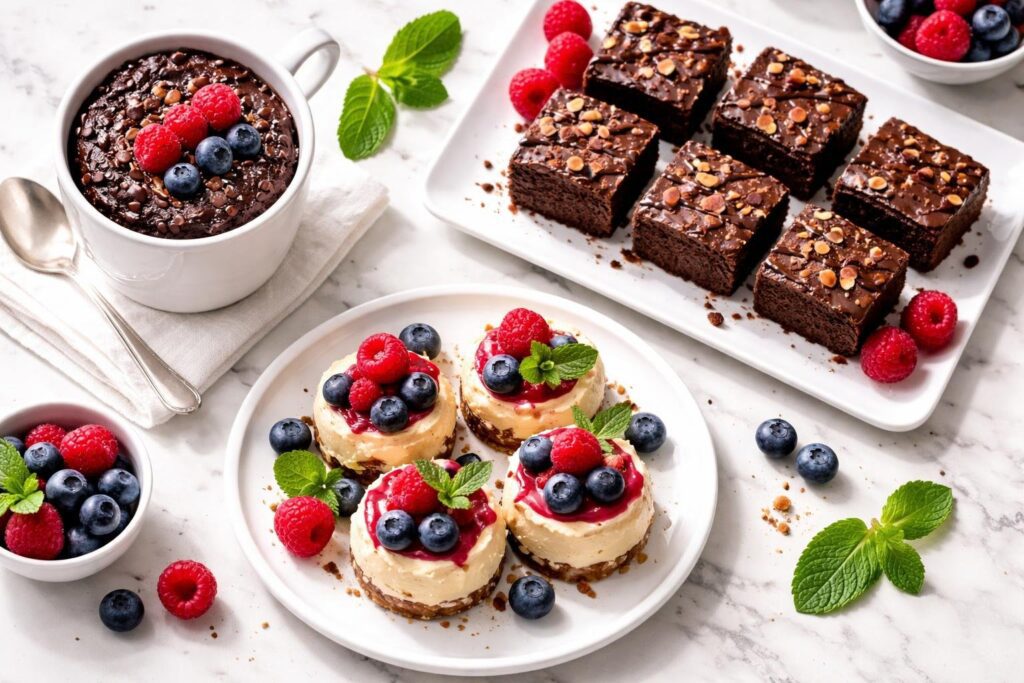
Grain free desserts have become a popular trend among people trying to lose weight without giving up sweets. In a world where sugar cravings are real and diets often fail because of restriction, these desserts offer a balanced middle ground. Instead of using wheat flour, rice flour, or other grain-based ingredients, they rely on nutrient-dense alternatives that are lighter on calories and carbohydrates.

This makes them especially appealing for people following low-carb, keto, or clean eating lifestyles. The best part is that they still taste indulgent, almost like traditional desserts, but without the heavy guilt afterward.
Many nutrition trends today show that people are shifting toward functional desserts that support health goals instead of working against them. Research and market insights show a growing demand for low-sugar and low-calorie treats that support weight management and overall wellness. This is not just a diet trend—it is a lifestyle shift. Instead of treating desserts as “cheat foods,” people now want them to fit into their daily nutrition plan without disrupting progress.
Why People Are Switching to Grain-Free Eating
So why are grain-free diets gaining attention? The answer is simple: many people feel better when they reduce processed carbs. Grains like wheat and refined flour can cause spikes in blood sugar, which often lead to cravings and overeating later. When you remove or reduce these ingredients, your energy levels become more stable throughout the day.
Another major reason is weight management. Grain-heavy desserts tend to be calorie-dense and easy to overconsume. By switching to grain-free alternatives, people naturally reduce their calorie intake without feeling deprived. It’s like replacing a heavy backpack with a light one—you can still move forward, but with less effort and strain.
The Connection Between Desserts and Weight Loss Goals
Most weight loss plans fail because people completely remove desserts, then eventually binge on them later. Grain free desserts solve this problem by allowing controlled indulgence. Instead of avoiding sweets altogether, you can enjoy them in a smarter way.
When desserts are made with whole-food ingredients, they often contain more fiber, healthy fats, and protein. These nutrients slow digestion and help you feel full for longer. That means fewer cravings and less snacking between meals. Studies around low-sugar desserts suggest that replacing high-calorie sweets with lower-calorie alternatives can help maintain a calorie deficit over time.
What Are Grain Free Desserts?
Grain free desserts are sweet dishes that do not contain traditional grains like wheat, rice, oats, or corn-based flours. Instead, they use alternatives that are naturally lower in carbohydrates and richer in nutrients.
Common ingredients include almond flour, coconut flour, eggs, cocoa, nuts, seeds, fruits, and natural sweeteners. These ingredients not only reduce the carbohydrate load but also improve nutritional value. Think of it like upgrading from processed fuel to premium energy fuel—your body simply performs better.
Key Ingredients Used Instead of Grains
The magic of grain-free desserts lies in their substitutions. Almond flour provides a soft texture with healthy fats. Coconut flour absorbs moisture and adds fiber, making desserts more filling. Eggs help bind everything together while adding protein. These ingredients work together to create desserts that are both satisfying and weight-loss friendly.
Unlike refined flour, these alternatives do not cause sharp blood sugar spikes. This is one of the main reasons they are often recommended in low-carb and diabetic-friendly diets.
How Grain Free Desserts Help in Weight Loss
Weight loss is ultimately about calorie control, but not all calories behave the same way in your body. Grain free desserts tend to be more filling due to their protein, fiber, and fat content. This helps reduce overeating.
Lower Carbohydrates and Calorie Control
Most grain-based desserts are packed with refined carbs that convert quickly into glucose. Grain free desserts replace these with healthier ingredients that slow digestion. This means you stay full longer and consume fewer total calories throughout the day.
Blood Sugar Stability
Stable blood sugar is crucial for weight loss. When blood sugar spikes and crashes, hunger increases dramatically. Grain free desserts help maintain stable energy levels, which reduces cravings and emotional eating patterns.
Popular Natural Sweeteners for Grain Free Desserts
Instead of white sugar, grain free desserts often use natural sweeteners like stevia, monk fruit, and erythritol. These sweeteners provide sweetness without the same calorie load or blood sugar impact.
These alternatives have become increasingly popular in modern dessert formulations because they allow people to enjoy sweetness without compromising health goals.
Best Grain Free Dessert Ingredients
Almond Flour and Coconut Flour
These are the backbone of grain-free baking. Almond flour adds richness, while coconut flour increases fiber content. Together, they create balanced textures that mimic traditional baked goods.
Dark Chocolate and Healthy Fats
Dark chocolate (especially high-cocoa versions) is often used because it contains antioxidants and less sugar. Healthy fats from coconut oil or nuts also help improve satiety, making desserts more satisfying.
Easy Grain Free Dessert Ideas
No-Bake Options
No-bake desserts are perfect for beginners. You can mix nuts, cocoa powder, nut butter, and natural sweeteners to create energy bites or truffles. These are quick, simple, and require no oven time.
Baked Options
Baked grain-free desserts include almond flour brownies, coconut cookies, and keto cakes. These recipes often require careful ingredient balancing, but the results are worth it—soft, rich, and satisfying desserts without grains.
Grain Free Chocolate Desserts
Chocolate lovers are not left behind in grain-free eating. Chocolate desserts can still be indulgent while supporting weight loss goals.
Chocolate Avocado Mousse
This dessert combines avocado, cocoa powder, and natural sweeteners. The result is a creamy, rich mousse that feels indulgent but is actually nutrient-dense and low in sugar.
Fruit-Based Grain Free Desserts
Fruit naturally fits into grain-free eating because it is whole and unprocessed. When combined with coconut cream or nuts, it becomes a powerful dessert option.
Berry Coconut Parfait
A simple mix of berries and coconut cream creates a refreshing dessert that is low in calories but high in flavor and antioxidants.
Keto-Friendly Grain Free Desserts
Many grain-free desserts also overlap with keto-friendly recipes. Cheesecakes made with almond flour crusts and sugar-free fillings are popular examples.
These desserts are rich, satisfying, and designed to keep carbs extremely low while maintaining taste and texture.
Common Mistakes to Avoid
Overusing Sweeteners
One common mistake is adding too much sweetener. Even natural alternatives should be used in moderation. Over-sweetened desserts can still trigger cravings and reduce weight loss effectiveness.
Tips to Make Grain Free Desserts More Filling
Adding Protein and Fiber
Adding ingredients like Greek yogurt, chia seeds, or protein powder can make desserts more satisfying. These nutrients slow digestion and help control hunger.
Store-Bought vs Homemade Grain Free Desserts
Store-bought grain-free desserts are convenient, but homemade versions give you full control over ingredients. This means you can choose healthier fats, better sweeteners, and cleaner recipes. Homemade options are usually more effective for weight loss because you avoid hidden sugars and additives.
Are Grain Free Desserts Really Healthy?
Yes, but only when consumed in moderation. Grain-free desserts are healthier than traditional sweets, but they are still desserts. The key is balance. They support weight loss when they replace high-calorie desserts, not when they are added on top of an already high-calorie diet.
Conclusion
Grain free desserts offer a practical way to enjoy sweetness while staying on track with weight loss goals. They replace refined grains with nutrient-rich alternatives, helping control calories and stabilize blood sugar. When used correctly, they can reduce cravings and make dieting more sustainable. The real advantage is not just weight loss, but the ability to enjoy food without guilt or restriction. That balance is what makes long-term health success possible.
FAQs
1. Can I eat grain free desserts every day while losing weight?
Yes, but portion control matters. They should fit into your total daily calorie intake.
2. Are grain free desserts keto-friendly?
Most of them are, especially those made with almond flour and sugar-free sweeteners.
3. Do grain free desserts taste different from regular desserts?
They can taste slightly different, but many recipes closely mimic traditional desserts.
4. What is the best flour for grain free baking?
Almond flour and coconut flour are the most commonly used options.
5. Can grain free desserts help reduce sugar cravings?
Yes, especially when they use natural sweeteners and high-fiber ingredients.