
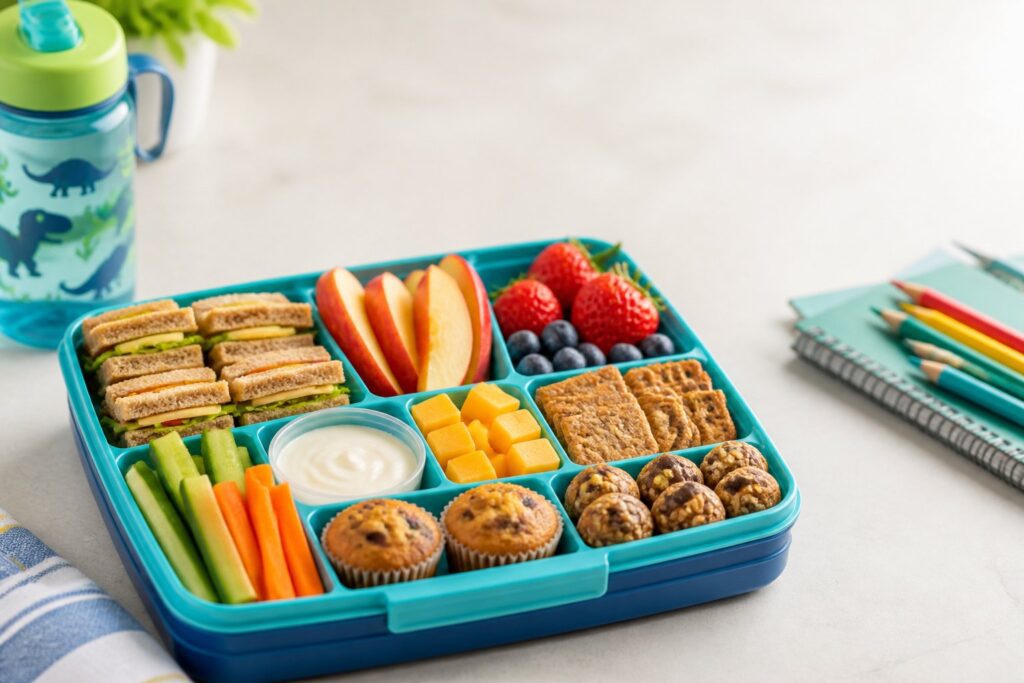
If you have ever packed a healthy snacks only to have your child bring it home untouched you know how challenging snack time can be. Picky eating, busy school mornings, constant hunger, food allergies and limited prep time can make choosing nutritious snacks frustrating. Kids need snacks that provide energy between meals while still being foods they actually enjoy.
The goal isn’t to make every snack from scratch or create a “perfect” diet. A practical mix of homemade and convenient options can work much better for busy families. This guide focuses on simple kid-friendly snacks that are nutritious easy to prepare and realistic for everyday life.
What Snacks Are Good for School-Age Kids?
Good snacks for school-age kids mix protein, fiber, and natural sugars. They fuel growing bodies and busy brains between meals. School-age kids usually need one or two snacks daily, especially after school.
The best snacks pair a fruit or veggie with a protein, like apple slices with cheese or hummus with carrots.
Look for snacks that are:
- Portable and mess-free for lunchboxes
- Low in added sugar, high in nutrients
- Nut-free or allergy-safe for classroom rules
- Easy for kids to eat independently
Whole foods work better than packaged sweets. Think whole-grain crackers, string cheese, or fresh fruit. These options follow USDA MyPlate guidance for balanced snacking.
Pair a carb with a protein. This combo steadies blood sugar and keeps kids full until their next meal.
10 Snack Recipes
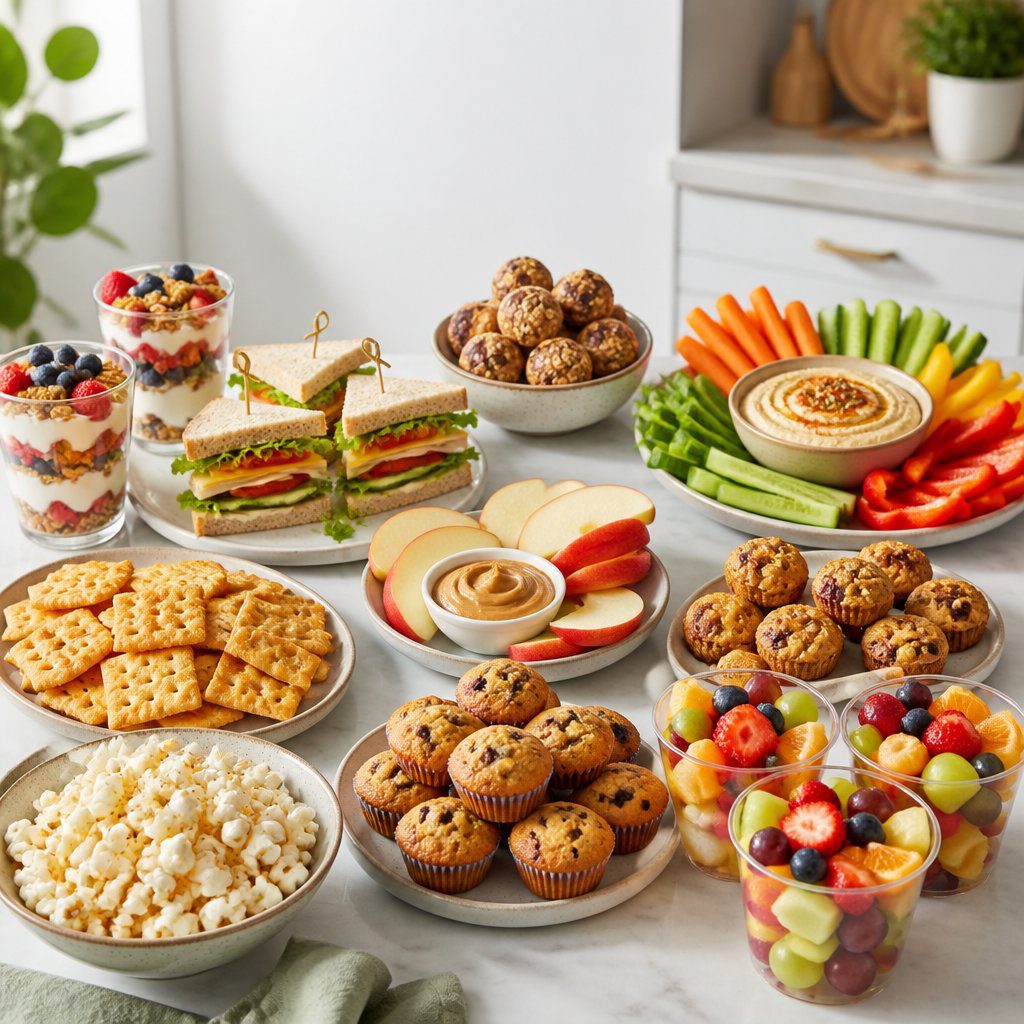
These homemade snacks are simple, healthy, and school-safe. Each recipe uses basic ingredients you already have. Kids can help make most of them too.
The best homemade school snacks combine oats, nut butter, or fruit. They’re easy to prep, freezer-friendly, and low in added sugar.
Homemade Chocolate Chip Clif Bars
These bars taste like the store-bought version, minus the price tag. Oats, honey, and peanut butter form the base. Mini chocolate chips add just enough sweetness. Wrap them individually for grab-and-go mornings. They stay fresh in the fridge for a week.
Simple No-Bake Protein Balls
No oven needed for this five-minute recipe. Roll oats, peanut butter, and honey into bite-sized balls. They pack protein and fiber into one small snack. Store them in the freezer for busy weeks. Kids love rolling these themselves.
Peanut Butter Oatmeal Balls with Chocolate Chips
This no-bake snack blends whole grain oats with flax and chia seeds. Peanut butter adds protein and healthy fat. Mini chocolate chips make it feel like a treat. These balls hold up well in a lunchbox. They don’t need refrigeration until opened.
Homemade Peanut Butter Granola Bars
Five ingredients make a full batch of these soft bars. Oats, peanut butter, and honey bind everything together. Cut them into squares or long bars, whichever kids prefer. They freeze well for meal prep days. Add raisins or seeds for variety.
Chocolate Chip Zucchini Muffins
Shredded zucchini keeps these muffins moist and naturally sweet. Mashed banana cuts down on added sugar. Dark chocolate chips and walnuts add texture. Bake them mini-sized for smaller hands. Use a gluten-free flour blend if needed.
No-Bake PB & J Bites (Just 4 Ingredients)
This classic flavor combo needs no baking at all. Peanut butter, jelly, oats, and a touch of honey come together fast. Swap the jam flavor to keep things interesting. These bites freeze well for weeks. They’re perfect for last-minute lunchbox additions.
Mini Banana Muffins (No Refined Sugar)
Overripe bananas make these muffins naturally sweet. Maple sugar replaces refined sugar for a healthier option. Add mini chocolate chips or chopped nuts as mix-ins. These muffins freeze beautifully for future snacking. They work for breakfast or after-school hunger too.
Copycat Heavenly Hunks
This homemade version cuts the sugar found in store-bought bars. Oats, coconut, and chocolate create a chewy, satisfying texture. Making them at home also saves money. Most kids can’t tell the difference. Store in an airtight container for freshness.
Easy Pizza Muffin Recipe
Savory snacks matter too, not just sweet ones. These muffins taste like pizza in a portable, handheld shape. They work great for lunchboxes or after-school snacks. Freeze a batch for busy weeknights. Reheat in the microwave for a warm treat.
Blueberry Oatmeal Breakfast Cookies
Soft and chewy, these cookies blend oats, banana, and blueberries. They sit between a muffin and an oatmeal cookie. Skip the refined sugar without losing the sweetness. These cookies work for breakfast or an afternoon snack. They store well for a busy week ahead.
10 Whole Food Snacks
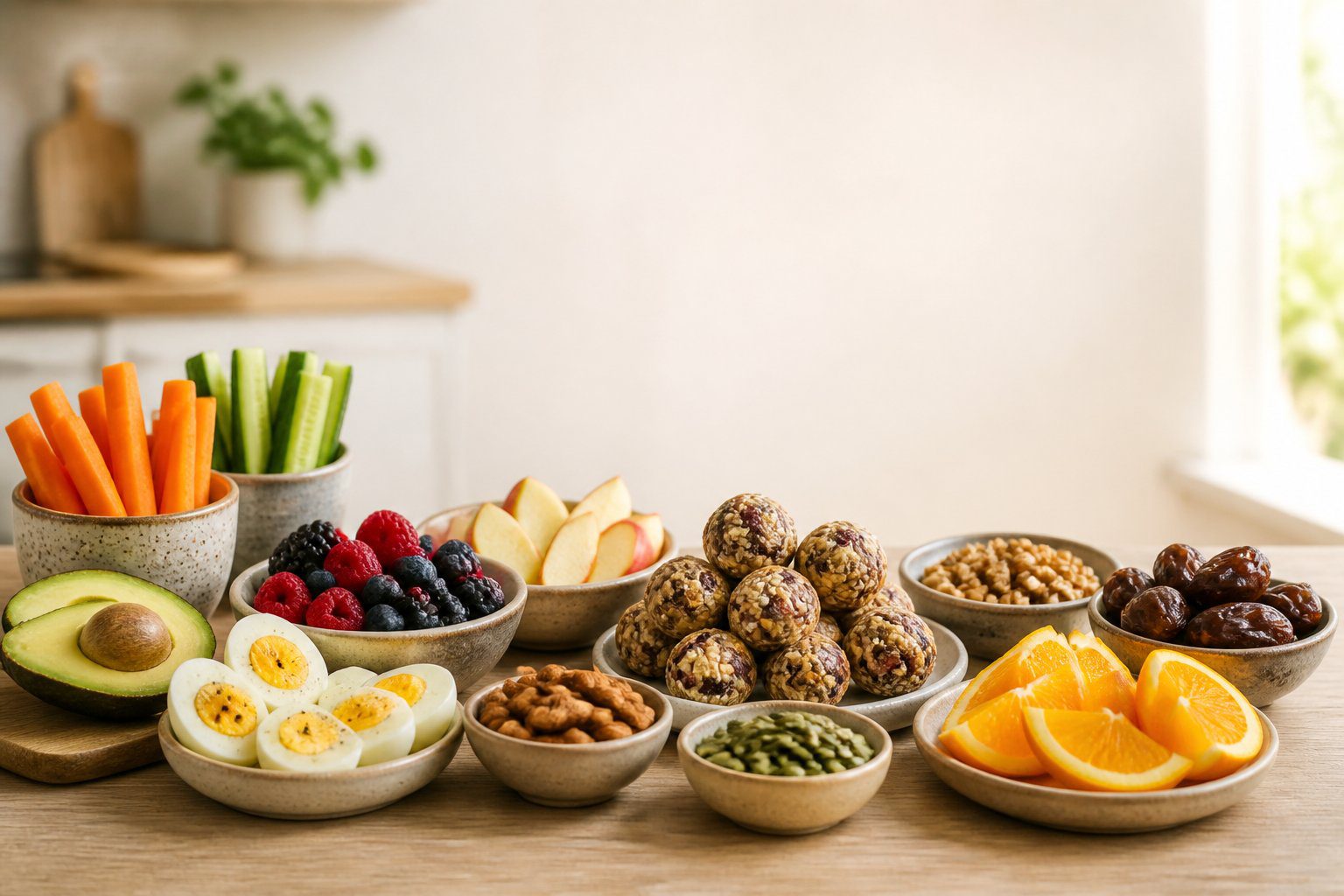
Not every snack needs a recipe. These whole food combos take five minutes or less. They pair produce with protein for lasting energy.
Whole food snacks combine fresh fruit or veggies with protein, like cheese, yogurt, or nut butter. No cooking or baking required.
Veggie Sticks With Crackers And Dip
Cucumbers, bell peppers, and carrots make a colorful base. Pair them with whole-grain crackers and a simple dip. Hummus adds plant protein and fiber. Ranch dressing or whipped cottage cheese dip works too. Kids often enjoy assembling this snack themselves. Letting them choose the veggies boosts buy-in. This combo covers a full food group in one container.
Apples Or Banana And Nut Butter
Fruit alone digests fast, leaving kids hungry again soon. Nut butter changes that. Peanut butter, almond butter, or sunbutter add healthy fats and protein. This slows digestion and extends fullness. Sunbutter works well for nut-free classrooms. A few mini chocolate chips make it feel special. This snack takes under two minutes to prep.
Cheese Slices With Berries And Pretzels
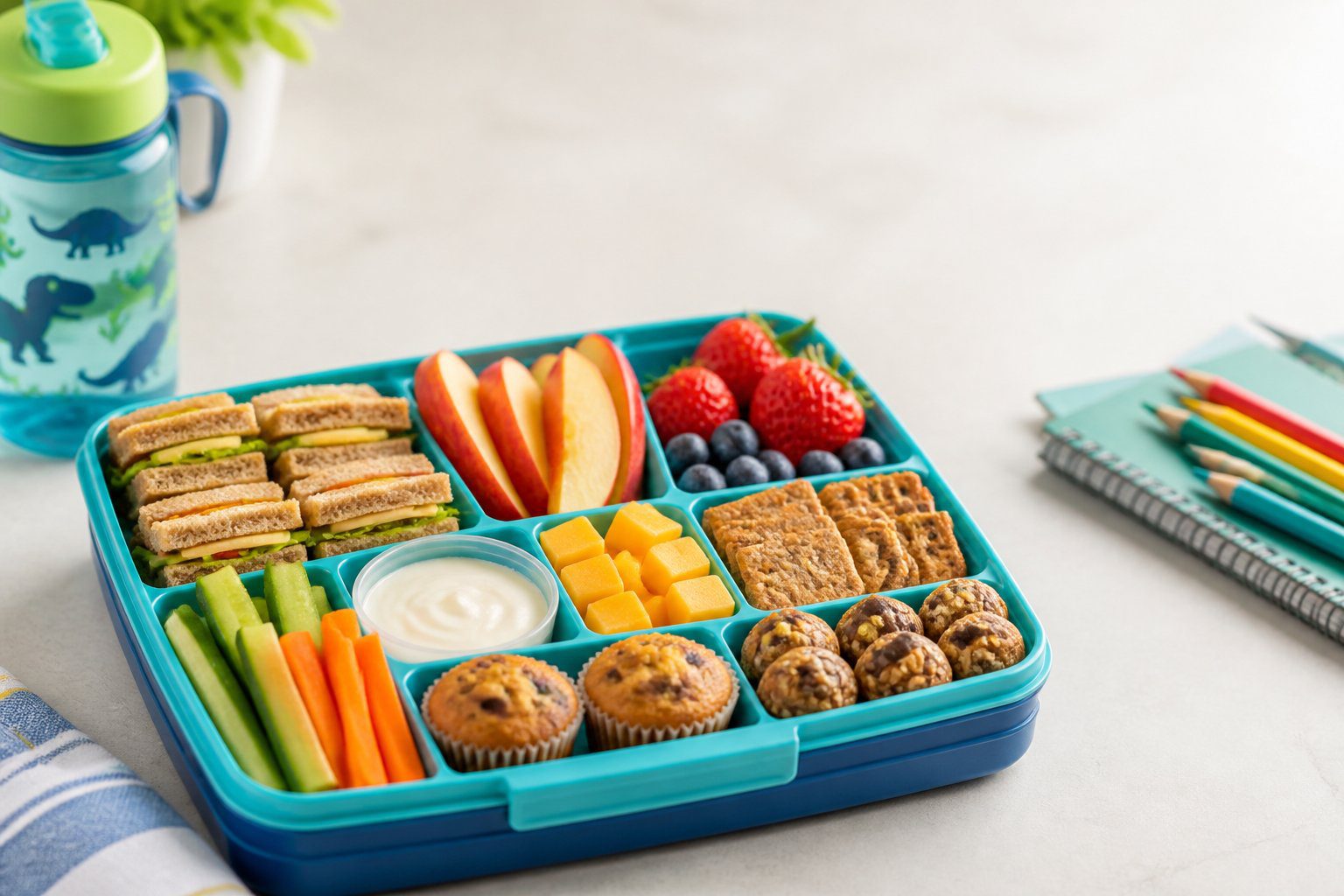
Variety matters for picky eaters, and texture drives interest. Savory cheese, salty pretzels, and sweet raspberries hit three flavor notes at once. This mix delivers calcium, protein, and carbohydrates together. Bento-style containers keep each item separate and appealing. Kids tend to eat more when snacks look varied and colorful. Swap berries by season for freshness.
Ants On A Log
This classic snack has stayed popular for generations. Nut butter spreads over celery sticks, topped with raisins or dried cranberries. Cut celery into narrow strips for younger kids. The crunch-to-chew texture combo keeps things interesting. Sunbutter makes this version nut-free and school-safe. It’s a simple way to sneak in a vegetable.
Turkey Sticks, String Cheese and Grapes
Think of this as a mini snack board. Turkey sticks provide protein, string cheese adds calcium, and grapes bring natural sweetness. This combo fuels both brain and body during a school day. Halved hard-boiled eggs make a good addition too. Use small food skewers to make assembly fun for younger kids. Always slice grapes for kids under five to avoid choking risk.
Blue Corn Chips With Guacamole And Carrot Sticks
Guacamole has become a favorite among younger kids, not just adults. Blue corn tortilla chips add crunch and whole grains. Carrot or jicama sticks balance the richness of the avocado. This snack delivers healthy fats, fiber, and vitamin A. Homemade guacamole keeps sodium lower than most store-bought versions. Pack the dip separately to prevent soggy chips.
Yogurt With Low-Sugar Granola And Berries
Greek yogurt delivers protein and gut-friendly probiotics in one scoop. Low-sugar granola adds crunch without a sugar spike. Fresh berries bring fiber and antioxidants. This snack works well once or twice a week. Portion size can flex based on hunger and time until the next meal. Choose plain yogurt and sweeten it yourself for less added sugar.
Cottage Cheese With Peaches Or Cherry Tomatoes
Cottage cheese is rich in calcium, protein, and potassium. Chopped peaches add natural sweetness and fiber. For a savory twist, swap in halved cherry tomatoes or cucumber. Either version supports steady energy through the afternoon. This snack works for both sweet and savory preferences. It’s an easy way to introduce new flavor pairings.
Trail Mix
Trail mix delivers brain-supporting monounsaturated fats in every handful. Mix nuts, dried fruit, and a few chocolate chips for a classic version. For nut-free classrooms, swap in pumpkin seeds and sunflower seeds. Dried cherries or blueberries add unexpected flavor. Portion trail mix into small bags ahead of time. This prevents overeating and keeps prep simple during busy mornings.
Steamed Edamame Sprinkled With Sea Salt
Edamame is a high-protein, high-fiber snack kids can eat like a game. Steam frozen edamame pods for two minutes in the microwave. A sprinkle of sea salt is all it needs. Popping beans from the pod keeps little hands busy and engaged. This snack works well at home, though it’s less lunchbox-friendly due to prep timing. Soybeans also supply iron and folate.
10 Store-Bought Snacks
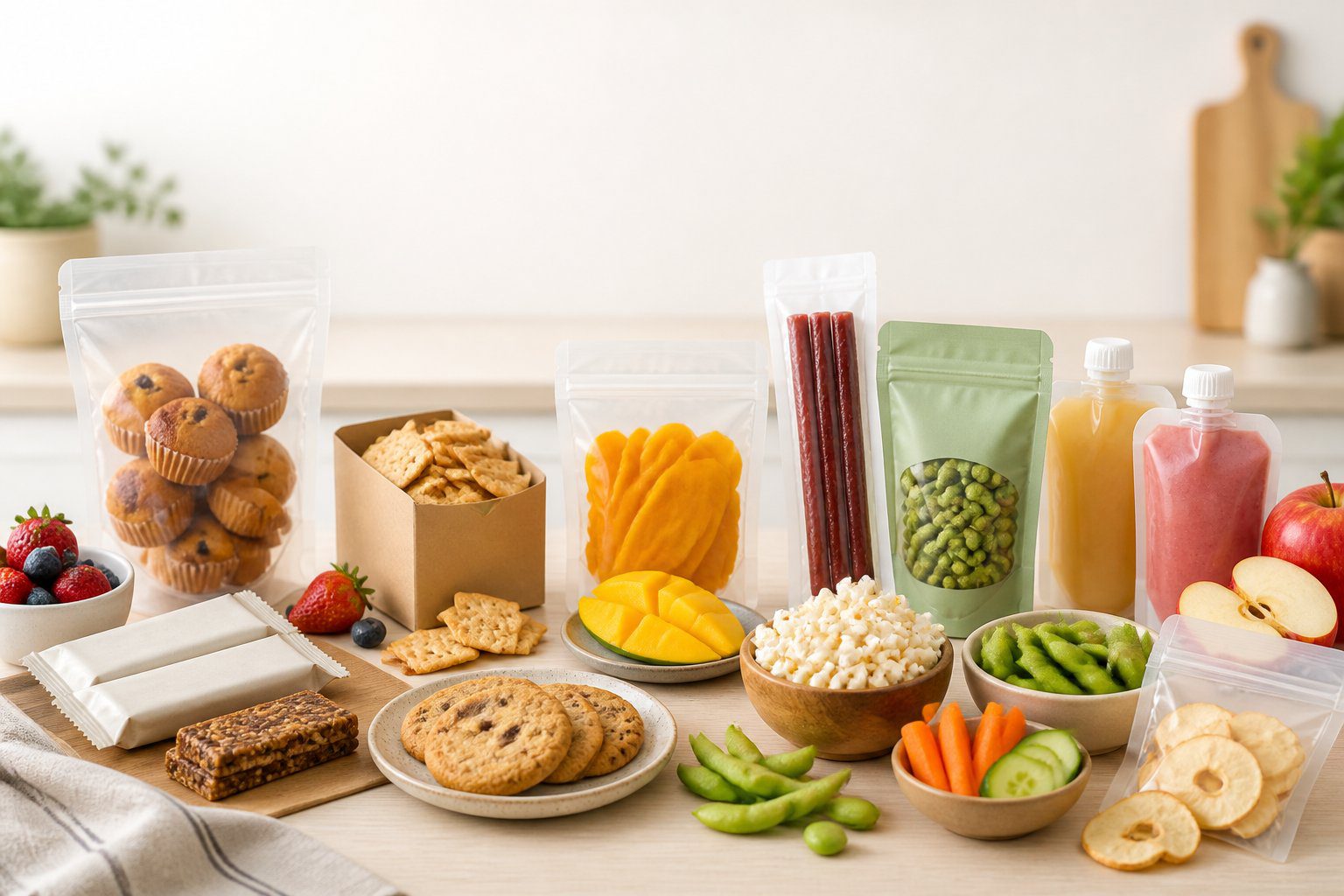
When you need quick, convenient snacks for kids, store-bought options can make everyday life much easier. The best choices do not have to be perfect or completely unprocessed. Instead, look for snacks that offer useful nutrients such as protein, fiber, healthy fats, whole grains, fruit, or other minimally processed ingredients while keeping added sugar and excess sodium reasonable. The Real Food Dietitians similarly recommend combining convenient packaged foods with nutrient-dense options to help kids stay fueled between meals.
Some convenient store-bought snacks for kids include mini muffins, protein bars, whole-grain crackers, dried fruit, meat sticks, roasted edamame, applesauce pouches, lower-sugar cookies, popcorn, and freeze-dried fruit. For a more balanced snack, pair a carbohydrate-rich food with protein, healthy fat, or fruit when possible.
Abe’s Mini Muffins
Abe’s Mini Muffins are a convenient choice when you want something soft, portion-friendly, and easy to add to a lunchbox. Mini muffins can work particularly well for preschool and elementary-age children because their small size makes them simple to pack and eat.
When choosing packaged muffins, check the Nutrition Facts label and ingredient list rather than assuming that every mini muffin is equally nutritious. Look for reasonable added sugar, a manageable serving size, and ingredients that fit your family’s dietary needs. You can make the snack more filling by serving a mini muffin with fruit, yogurt, cheese, or a nut or seed butter when appropriate.
Kid Protein Bars And Snack Bars
Protein bars and kid-friendly snack bars are useful for busy mornings, school bags, road trips, and after-school activities. Look for bars that provide a combination of protein, fiber, and carbohydrates rather than focusing only on the protein number.
Options such as kid protein bars, granola bars, oat bars, and fruit-and-nut bars can all have a place in a balanced snack routine. Check the label for added sugars and consider the ingredient list, especially if your child has food allergies. The Real Food Dietitians also include kid-focused protein and snack bars among their recommended packaged snack options.
Mini Crackers And Cheese Crackers
Mini crackers are one of the easiest lunchbox snacks because they are portable, familiar, and simple to portion. Whole-grain crackers can provide carbohydrates and, depending on the product, some fiber as well.
Cheese crackers are another kid-friendly option, but it is helpful to compare brands for sodium, saturated fat, whole-grain content, and added ingredients. For a more balanced snack, serve crackers with cheese cubes, hummus, cottage cheese, turkey slices, or another protein-rich food. This follows a simple snack principle: pair an energy-providing carbohydrate with protein or fat to make the snack more satisfying.
Dried Mango Pieces And Dried Fruit Bars
Dried mango and other dried fruits are convenient alternatives to fresh fruit when refrigeration is unavailable. They are naturally sweet and easy to keep in a backpack, desk, or pantry.
The main thing to watch is added sugar. Choose unsweetened dried mango or dried fruit whenever possible and check the ingredient list to see whether sugar, syrups, or other sweeteners have been added. Dried fruit bars can also be useful, particularly when they are made primarily from fruit.
Because dried fruit is concentrated, a small portion can contain quite a bit of natural sugar and carbohydrates. Pairing it with nuts, seeds, cheese, or yogurt can create a more balanced snack.
Kid Beef Sticks And Turkey Sticks
Beef sticks and turkey sticks provide a convenient source of protein and are especially useful for children who prefer savory snacks. They require little preparation and can be paired with fruit, crackers, or vegetables for a more complete snack.
When shopping, compare products for protein, sodium, saturated fat, and ingredient quality. For younger children, choose softer varieties and cut foods into age-appropriate pieces. The Real Food Dietitians specifically note turkey and beef sticks as practical protein choices for kids, including softer varieties for little ones.
Roasted Edamame And Roasted Corn
Roasted edamame is a particularly useful packaged snack because edamame is a plant-based source of protein and fiber. Roasted versions are crunchy and portable, making them an alternative to traditional chips or crackers.
Roasted corn can also provide a crunchy, naturally sweet snack option. When buying either product, compare sodium levels and added oils or seasonings. For younger children, always consider texture and choking safety before serving crunchy snacks.
Edamame can also be purchased frozen and prepared at home. The Real Food Dietitians highlight edamame as a high-protein, high-fiber food that can work well as a kid-friendly snack.
Mama Chia Pouches And Applesauce
Fruit and chia pouches are convenient when you need a no-mess snack that can be eaten quickly. Mama Chia pouches can provide chia seeds along with fruit, while applesauce pouches offer an easy way to include fruit in a lunchbox.
Look for unsweetened or no-added-sugar applesauce when available. For chia pouches, compare total sugar, fiber, and serving size. Pouches are convenient, but they do not necessarily need to replace whole fruit every day. When possible, rotate them with fresh fruit, berries, apples, bananas, or other minimally processed choices.
Lower-Sugar Cookies
Cookies can absolutely fit into a child’s snack routine, especially when they are treated as one component of the overall diet rather than the entire snack. The goal is not necessarily to find a cookie with zero sugar, but to choose options with a reasonable amount of added sugar and an ingredient profile that works for your family.
Lower-sugar cookies can be paired with milk, yogurt, fruit, or cheese to make the snack more substantial. This approach also helps children learn that sweet foods can be enjoyed alongside nutritious foods rather than being completely forbidden.
Lesser Evil Popcorn
Lesser Evil popcorn is a convenient crunchy snack that can be useful for school lunches, family movie nights, or afternoon snacking. Popcorn itself is a whole grain, and choosing a product with a simple ingredient list can make it a practical packaged snack.
Pay attention to serving size, sodium, saturated fat, and added flavorings when comparing popcorn brands. For younger children, popcorn requires special attention because of its choking risk, so follow age-appropriate feeding guidance and use a safer alternative when necessary.
The Real Food Dietitians specifically list Lesser Evil Himalayan Gold Popcorn among their recommended prepackaged snack choices.
Freeze-Dried Apples And Plantain Chips
Freeze-dried apples are lightweight, crunchy, shelf-stable, and easy to pack. They can provide the familiar flavor of fruit without requiring refrigeration. Look for products containing simply apples, without unnecessary added sugars.
Plantain chips offer another crunchy alternative to conventional potato chips. However, because they can be higher in fat and sodium depending on how they are prepared, compare nutrition labels before buying. Choose products with straightforward ingredients and reasonable serving sizes.
For a more balanced snack, combine freeze-dried apples or plantain chips with a protein or healthy-fat source such as cheese, yogurt, nuts, seeds, or a suitable nut-free alternative. The goal is not to eliminate packaged foods but to build convenient snacks that provide variety and useful nutrients.
Lunch Ideas For Kids
Packing a nutritious lunch for kids does not have to be complicated. A balanced lunch usually includes a protein source, whole grains or another carbohydrate, fruit or vegetables, and a healthy fat. Offering familiar foods in different combinations can make school lunches easier for both parents and children.
Easy lunch ideas for kids include a turkey-and-cheese sandwich with fruit, chicken wraps with vegetables, hummus with whole-grain crackers, or a snack-style lunch with cheese, fruit, crackers, and yogurt.
- Turkey and cheese roll-ups: Pair with cucumber slices and berries.
- Chicken wrap: Add shredded chicken, lettuce, cheese, and avocado in a whole-grain tortilla.
- Hummus lunch box: Serve hummus with crackers, carrots, cucumber, fruit, and cheese.
- Yogurt and fruit bowl: Add berries, banana slices, and a small serving of granola.
- Mini sandwich box: Include a small sandwich, apple slices, and a protein-rich snack.
Keep portions kid-sized and include at least one food your child already enjoys. This reduces pressure at mealtime while encouraging children to explore new nutritious foods.
Make Healthy Snacking a Habit
Healthy snacking becomes easier when it is part of a child’s regular routine rather than something parents have to plan from scratch every day. Keep nutritious foods visible and ready to eat, and offer snacks at predictable times between meals. This can help children recognize hunger and fullness cues while reducing constant grazing.
Make healthy snacking a habit by keeping simple foods available, offering balanced combinations, using reasonable portions, and giving children some choice.
- Keep washed fruit, yogurt, cheese, vegetables, and whole-grain snacks easy to reach.
- Pair carbohydrates with protein or healthy fats for longer-lasting satisfaction.
- Rotate different foods to provide variety without making snacks complicated.
- Let children choose between two nutritious options when possible.
- Keep highly sugary snacks as occasional choices rather than everyday staples.
Focus on the overall eating pattern instead of making every snack perfect. A simple combination such as fruit and yogurt or whole-grain crackers and cheese can provide carbohydrates, protein, and other important nutrients while remaining quick and kid-friendly.
More Snack Recipes Every Kid Will Enjoy
When kids get hungry between meals, having a few easy homemade snack recipes ready can make healthy eating much simpler. The best kid-friendly snacks are quick to prepare, colorful, satisfying, and made with familiar ingredients. You can also involve children in choosing toppings or assembling their own snacks, which can make nutritious foods more appealing.
Try simple snacks that combine fruit, whole grains, protein, or dairy for a balanced option that keeps kids satisfied between meals.
- Fruit yogurt parfait: Layer Greek yogurt with berries, banana, and a small amount of granola.
- Apple peanut butter bites: Spread peanut butter over apple slices and add a sprinkle of oats.
- Cheesy veggie quesadilla: Fill a whole-grain tortilla with cheese and finely chopped vegetables.
- Banana oat bites: Combine mashed banana with oats and bake until lightly golden.
- Hummus snack plate: Serve hummus with cucumber, carrots, whole-grain crackers, and pita pieces.
Keep two or three homemade snacks prepared in advance. Portion them into small containers so children can quickly choose a nutritious option when hunger strikes without relying on highly processed snack foods.
Conclusion
From my experience with practical nutrition, healthy snacking works best when it is simple, consistent and flexible. Keep nutritious options available offer variety and combine foods such as fruit, whole grains, protein or healthy fats when appropriate. You don’t need every snack to be perfect what matters most is the overall eating pattern. Making healthy choices convenient and enjoyable can help children develop positive eating habits that last.