


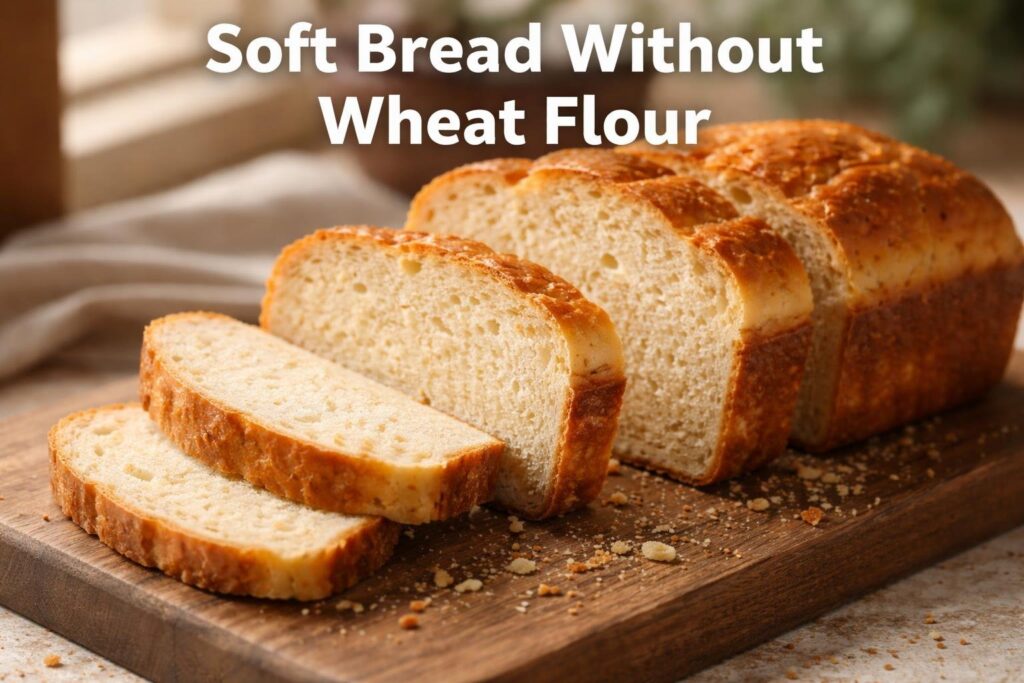
If you think bread must contain wheat flour to taste good, this guide is about to change your mind. Across 2026, demand for wheat-free bread continues to rise as more people look for gluten-free, allergy-friendly, low-carb, and nutrient-dense baking options. Industry reports show the bread and bakery segment remains one of the biggest users of alternative flours in the gluten-free market.

Many home bakers struggle with wheat-free bread because traditional gluten gives structure, stretch, and softness. Remove wheat, and your loaf can turn into a brick. But once you understand how alternative flours behave, making fluffy, flavorful bread becomes surprisingly simple. Think of it like learning a new dance step—you stop forcing old moves and start working with a new rhythm.
This article gives you practical recipes, ingredient science, troubleshooting tips, and modern baking strategies so your next loaf actually rises, slices well, and tastes amazing.
Wheat flour has been the king of baking for centuries, but many people now want alternatives. Some avoid wheat because of celiac disease, gluten intolerance, or digestive discomfort. Others simply prefer breads made with higher protein, more fiber, or fewer refined carbohydrates. A loaf made from oats, almonds, or chickpeas often delivers more nutrition per slice than ultra-refined white bread.
Another reason is ingredient diversity. Wheat can dominate flavor, while alternative flours bring character. Almond flour adds richness, oat flour adds softness, and chickpea flour adds an earthy depth. It’s like switching from plain background music to a full orchestra.
There is also growing interest in homemade control. When you bake at home, you decide salt, sugar, oils, seeds, and preservatives. No mystery ingredients. No stale supermarket loaf pretending to be fresh.
Modern baking tools and better ingredients have also improved results. Psyllium husk, starch blends, and hydration methods help wheat-free bread mimic the softness and elasticity of classic loaves. Studies found psyllium improved crumb softness and delayed staling in gluten-free breads.
Best Wheat-Free Flours for Bread
Choosing the right flour matters more than the recipe itself. Every flour behaves differently, absorbing water, browning differently, and affecting texture.
| Flour Type | Best For | Texture | Nutrition Highlight |
| Almond Flour | Low-carb bread | Moist, rich | Healthy fats, protein |
| Oat Flour | Sandwich bread | Soft, mild | Fiber |
| Rice Flour | Yeast bread blends | Light | Neutral flavor |
| Chickpea Flour | Savory loaves | Dense, hearty | Protein |
| Coconut Flour | Quick bread | Dry unless balanced | High fiber |
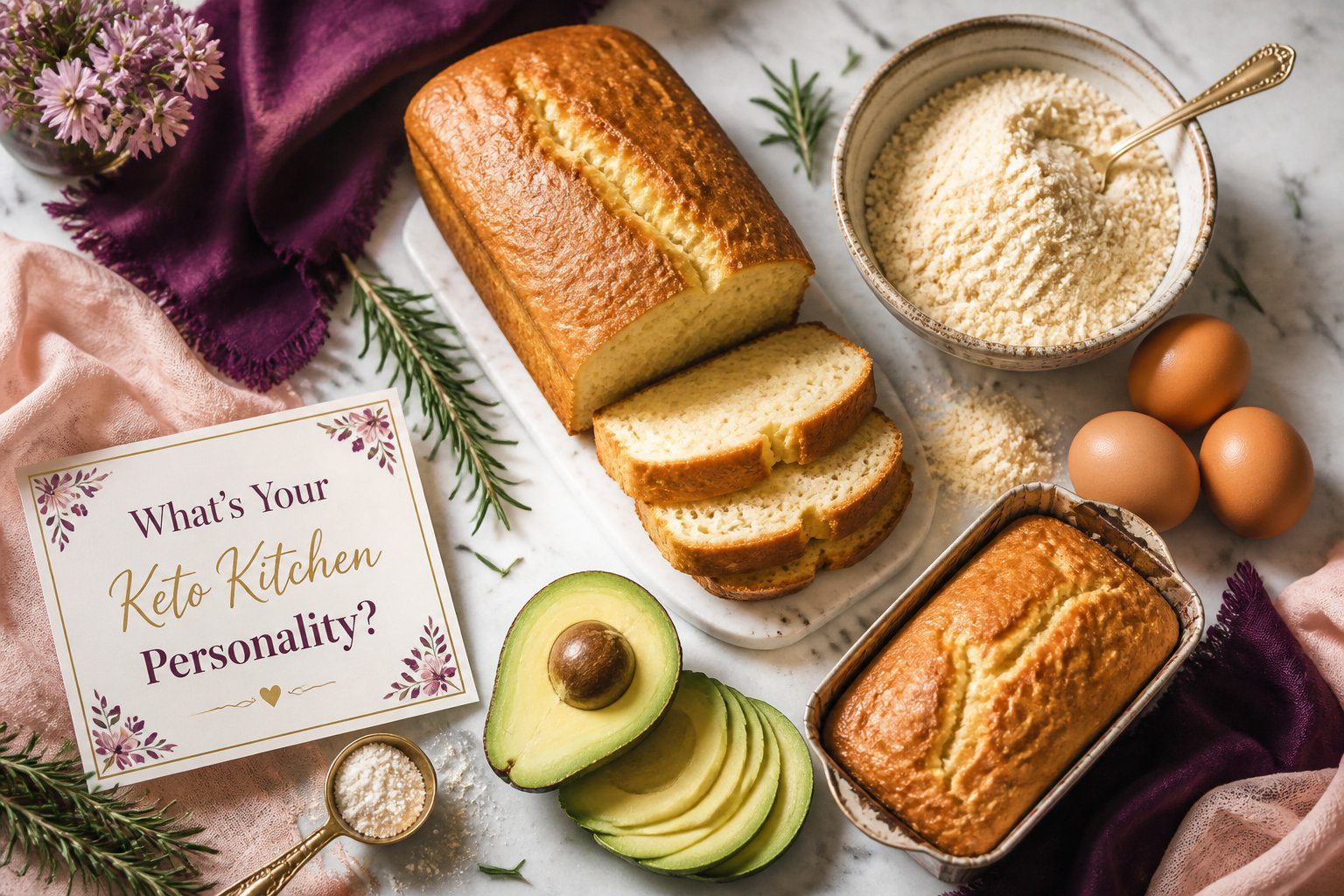
Almond flour works beautifully for keto-style loaves. It creates moist slices with a nutty aroma.
Oat flour is gentle and familiar, making it ideal for everyday toast.
Rice flour is often used in blends because it helps lighten heavier ingredients.
Chickpea flour makes filling, savory breads perfect with soups.
Coconut flour absorbs huge amounts of liquid, so use it sparingly.
Think of flour blending like building a sports team—you need strength, speed, balance, and chemistry.
Ingredients That Replace Gluten
Without wheat, you need something to hold the dough together. Gluten normally traps gas from yeast and gives bread chew. Remove it, and structure must come from elsewhere.
Psyllium husk is one of the best modern solutions. It forms a gel with water, helping dough stretch and hold shape. Many bakers consider it the game changer for wheat-free bread. Online baking communities repeatedly highlight psyllium as the ingredient that most improved their loaves.
Eggs provide lift, moisture, and protein structure. Great for quick breads.
Ground flaxseed mixed with water becomes sticky and works well in vegan recipes.
Chia seeds do something similar while adding fiber and omega-3 fats.
Xanthan gum can help, but many home bakers now prefer psyllium for a more bread-like crumb.
The lesson? Don’t just swap flour and hope for magic. Structure matters.
1. Almond Flour Bread Recipe
This loaf is perfect for low-carb eaters or anyone wanting rich, tender bread.
Ingredients
- 2 cups almond flour
- 5 eggs
- 2 tbsp olive oil
- 1 tsp baking powder
- ¼ tsp salt
- 1 tbsp psyllium husk (optional for structure)
Method
Preheat oven to 175°C (350°F). Line a loaf pan. Whisk eggs until airy, then mix in olive oil. Add almond flour, baking powder, salt, and psyllium. Stir until smooth. Pour into pan and bake 35–40 minutes.
This bread won’t behave like a baguette, and that’s okay. It’s moist, satisfying, and excellent toasted. Spread butter on a warm slice and you’ll understand why people repeat this recipe weekly.
Use it for breakfast sandwiches, avocado toast, or a quick side with soup.
2. Oat Flour Sandwich Bread Recipe
If you miss regular sandwich bread, start here.
Ingredients
- 3 cups oat flour
- 2 tsp instant yeast
- 1 tbsp honey
- 1¼ cups warm water
- 2 tbsp oil
- 1 tsp salt
- 1 tbsp psyllium husk
Method
Combine warm water, honey, and yeast. Let foam for 5 minutes. Add oat flour, oil, salt, and psyllium. Mix into a thick batter-like dough. Transfer to loaf tin. Let rise 35 minutes. Bake at 190°C (375°F) for 40 minutes.
Oat flour bread is soft and familiar. It tastes like comfort food wearing healthier clothes. Perfect for lunchboxes, grilled cheese, or peanut butter toast.
3. Rice Flour Yeast Bread Recipe
Rice flour alone can be dry, so blend technique matters.
Ingredients
- 2 cups rice flour
- 1 cup tapioca starch
- 2 tsp yeast
- 1 tbsp sugar
- 1½ cups warm water
- 2 tbsp oil
- 1 tsp salt
- 1 tbsp psyllium husk
Method
Mix dry ingredients first. Add water and oil. Beat well for 3 minutes; wheat-free dough often prefers mixing more than kneading. Spoon into pan, proof 30–40 minutes, then bake at 200°C (392°F) for 45 minutes.
This loaf slices well and works beautifully for toast. Neutral flavor means it pairs with sweet or savory toppings.
4. Chickpea Savory Bread Recipe
This bread is bold, hearty, and deeply satisfying.
Ingredients
- 2 cups chickpea flour
- 2 eggs
- 1 cup yogurt or dairy-free yogurt
- 2 tbsp olive oil
- 1 tsp baking powder
- Salt, herbs, chili flakes
Method
Whisk everything into a thick batter. Pour into greased pan. Bake at 180°C (356°F) for 35 minutes.
The flavor is rustic and savory. Add rosemary, garlic, cumin, or onions. It’s amazing with curry, lentils, or grilled vegetables.
5. Coconut Flour Quick Bread Recipe
Coconut flour is thirsty. Use more eggs and liquid.
Ingredients
- ¾ cup coconut flour
- 6 eggs
- ½ cup milk
- 2 tbsp melted butter
- 1 tsp baking powder
- Pinch salt
Method
Whisk eggs first, then add remaining ingredients. Rest batter 3 minutes so flour hydrates. Bake at 175°C (350°F) for 35 minutes.
This loaf is lightly sweet and fragrant. Great with cinnamon butter or fruit spreads.
Baking Tips for Better Texture
The biggest mistake beginners make is expecting wheat-free dough to feel like wheat dough. It often looks more like thick batter than kneadable dough. That’s normal.
Hydration is critical. Many alternative flours need more liquid. Let batter rest before baking so starches absorb moisture. Home bakers frequently report that short resting times improve texture dramatically.
Use loaf pans for support. Free-form boules are harder without gluten.
Allow bread to cool fully before slicing. Cut too early, and steam escapes, leaving gummy centers. Patience here pays like compound interest.
Toasting also transforms many wheat-free breads. Even a decent slice becomes fantastic once crisped.
Common Mistakes to Avoid
Using only one flour can create imbalance. Almond flour alone may be heavy, coconut flour alone may be dry, rice flour alone may crumble. Blends usually win.
Skipping binders is another common error. Psyllium, eggs, flax, or chia provide structure. Without them, your loaf may collapse like a tent in a storm.
Overbaking is sneaky. Because some wheat-free breads stay pale, bakers leave them in too long. Result? Dry texture. Use internal temperature or trusted bake times.
Ignoring storage also matters. Wrap cooled bread well. Slice and freeze extras. Homemade wheat-free bread often has fewer preservatives, so freshness matters.
Conclusion
Bread without wheat flour is no longer a compromise—it’s a modern upgrade. Whether you want lower carbs, gluten-free options, better digestion, or simply new flavors, there’s a loaf waiting for you. Almond flour gives richness, oats give softness, rice flour creates classic slices, chickpea flour adds substance, and coconut flour offers fiber-packed quick bread.
The real secret is understanding structure. Use moisture wisely, add binders, let dough rest, and embrace different textures instead of chasing identical wheat bread. Once you stop comparing and start baking on its own terms, wheat-free bread becomes exciting rather than limiting.
Your kitchen can smell like a bakery without a grain of wheat in sight.
FAQs
1. What is the best flour for bread without wheat flour?
Oat flour and rice flour blends are excellent for sandwich bread, while almond flour is best for low-carb loaves.
2. Can bread rise without wheat flour?
Yes. Yeast still works, but you usually need binders like psyllium husk or eggs for structure.
3. Is wheat-free bread healthier?
Often yes, depending on ingredients. Many versions contain more fiber, protein, and fewer refined carbs.
4. Why is my wheat-free bread dense?
Usually too little hydration, no binder, or insufficient rise time.
5. Can I freeze homemade wheat-free bread?
Absolutely. Slice first, freeze in portions, then toast directly from frozen.