
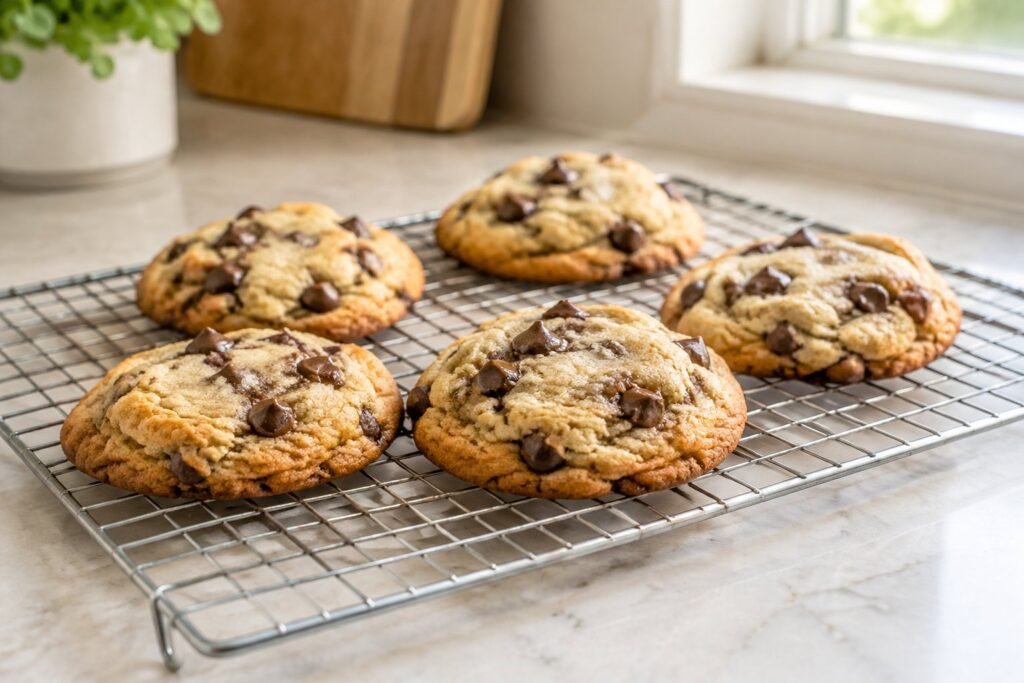
Have you ever baked a fresh batch of homemade cookies, only to find them hard, soggy, or less tasty a few days later? It can be frustrating to waste ingredients and time when you are unsure whether your cookies are still fresh or how to store the leftovers.
Most homemade cookies stay fresh for about 3–7 days at room temperature when kept in an airtight container in a cool, dry place. However, the exact shelf life depends on the cookie type, moisture level, ingredients, and storage method. Dry cookies, such as shortbread, may keep their texture longer, while cookies with cream cheese frosting or custard fillings may need refrigeration.
In this guide, you will learn how long homemade cookies last at room temperature, in the refrigerator, and in the freezer, along with simple ways to prevent them from drying out or becoming soggy. We will also explain how to recognize signs of spoilage and distinguish freshness from food safety, using practical storage advice and reliable food-safety guidance. Keep reading to find the best storage method for your cookies and learn how to enjoy your next batch for as long as possible without compromising safety.
Key Takeaways
- Room-temperature storage: Most homemade cookies stay at their best for about 3 to 7 days when kept in an airtight container in a cool, dry place.
- Refrigeration: Cookies with cream cheese frosting, custard, or other perishable fillings may require refrigeration. Follow the recipe’s food-safety instructions.
- Freezing: Many homemade cookies freeze well for several months when wrapped tightly and stored in a freezer-safe container at 0°F (-18°C) or below.
- Cookie type matters: Dry cookies, such as shortbread and biscotti, often keep their texture longer than soft, chewy cookies with more moisture.
- Proper storage prevents quality loss: Let freshly baked cookies cool completely before storing them. Keep soft and crispy cookies in separate airtight containers to protect their texture.
- Check for spoilage: Discard cookies with visible mold or other clear signs of spoilage. A normal smell or appearance does not guarantee food safety.
- Freshness is different from safety: Cookies can become stale before they become unsafe, and their safe storage time depends on ingredients, preparation, and storage conditions.
General Shelf Life and Storage Options
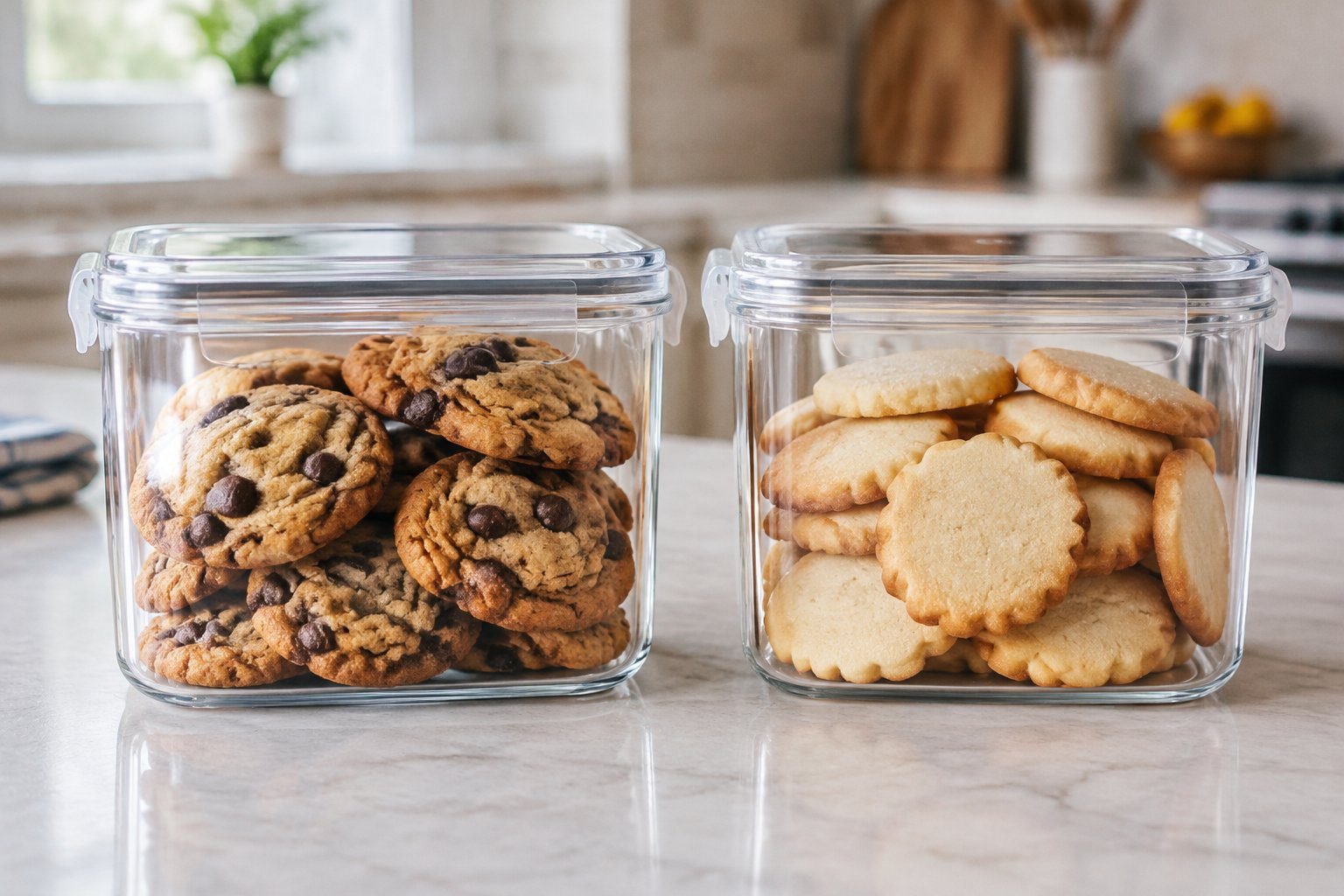
The shelf life of homemade cookies depends on their ingredients, moisture content, and how you store them. Most ordinary baked cookies keep their best taste and texture for several days at room temperature, while refrigeration and freezing can help with specific storage needs. Use the following guide as a general starting point, and always follow recipe-specific food-safety instructions.
| Storage method | General storage guidance | Best for |
| Room temperature | About 3–7 days for best quality | Chocolate chip, sugar, and many other plain baked cookies |
| Refrigerator | Follow the recipe’s instructions; keep perishable fillings and toppings at 40°F (4°C) or below | Cookies with cream cheese frosting, custard, or other perishable ingredients |
| Freezer | Several months for many baked cookies; quality depends on packaging and cookie type | Extra batches, holiday cookies, and cookies prepared ahead of time |
These are general quality guidelines, not guaranteed safety limits. Moisture-rich cookies and perishable fillings may require different handling. The USDA recommends keeping refrigerators at 40°F (4°C) or below and freezers at 0°F (-18°C) or below.
Room-temperature storage
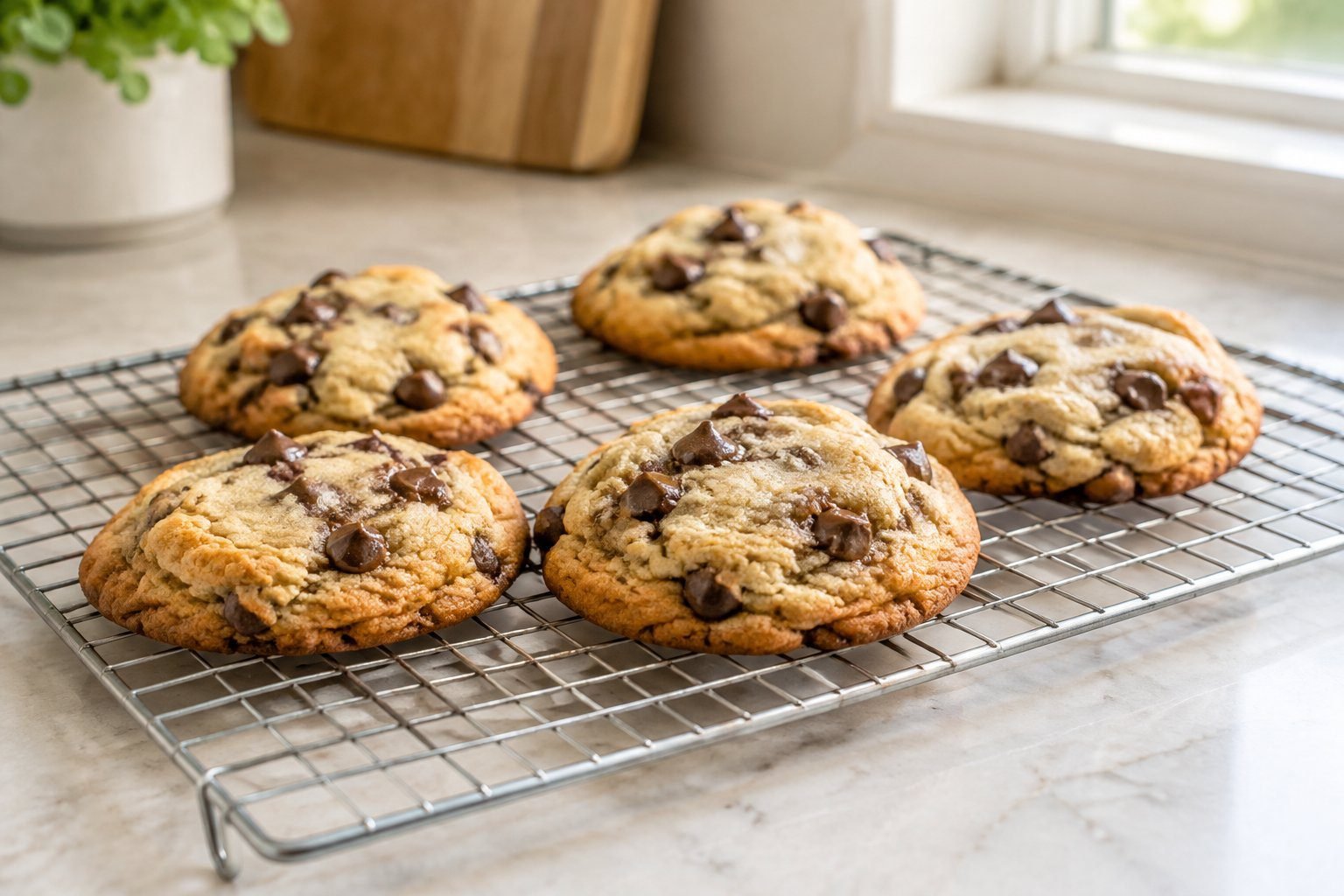
For many homemade cookies, a clean, airtight container in a cool, dry place is the best choice. Allow cookies to cool completely on a wire rack before packing them. Trapped heat can create condensation, which may make cookies soggy and affect their quality.
Keep soft cookies separate from crisp varieties, such as shortbread, because moisture can move between them and change their texture. Store the container away from direct sunlight, heat, and humid areas.
Refrigeration
Refrigeration is not necessary for every homemade cookie. Plain chocolate chip cookies, sugar cookies, and similar baked treats often keep their texture better in a suitable container at room temperature.
However, cookies containing cream cheese frosting, custard, or other perishable fillings may need refrigeration. Place them in a covered container and follow the recipe’s specific storage instructions. Cold air can also dry out cookies or change their texture, so use airtight packaging.
Freezing
Freezing is a practical way to preserve homemade cookies when you have baked more than you can eat within a few days. Let the cookies cool completely, wrap them securely, and place them in a freezer-safe bag or airtight container. Remove excess air, label the package with the date, and keep the freezer at 0°F (-18°C) or below.
Many baked cookies maintain good quality for several months in the freezer, although the exact period varies by recipe and packaging. To thaw them, leave the cookies in their wrapping at room temperature to help reduce condensation. Cookies with perishable fillings still need appropriate temperature control during storage and thawing.
The best storage method depends on the cookie itself. For plain baked cookies, start with an airtight container at room temperature. For cookies with perishable toppings or fillings, follow food-safety instructions. For longer storage, freezing is often the most practical option.
Factors Affecting Cookie Shelf Life
Homemade cookies do not all stay fresh for the same amount of time. Their shelf life depends on the ingredients, moisture content, storage method, and surrounding conditions. Knowing how these factors affect cookies helps you keep them fresh longer and store them safely.
Ingredients
The ingredients used in a cookie recipe can affect how long the cookies keep their quality.
- Butter and other fats: Butter helps create a tender texture, but cookies made with butter can become stale or lose their flavor over time.
- Sugar: Sugar helps affect moisture and texture. The amount and type of sugar can influence whether cookies stay soft or become crisp.
- Eggs: Eggs add moisture and structure to cookie dough. The finished cookie’s moisture level and recipe affect its storage needs.
- Chocolate chips, nuts, and dried fruit: These ingredients can affect flavor and texture. Their quality and freshness also matter.
- Cream cheese frosting and custard fillings: These perishable ingredients may require refrigeration. Follow the recipe’s food-safety instructions rather than treating these cookies like ordinary dry cookies.
Moisture Content
Moisture is one of the main factors affecting cookie shelf life. Soft, chewy cookies usually contain more moisture than dry, crisp cookies. This can make them more sensitive to changes in storage conditions.
Cookies can also exchange moisture with the air and with other cookies stored nearby. For example, crisp shortbread may soften when exposed to humidity, while soft cookies may become dry if left uncovered.
To maintain the right texture, store soft and crispy cookies in separate airtight containers. Let freshly baked cookies cool completely before sealing them to prevent condensation.
Storage Methods
The way you store homemade cookies can affect their freshness, texture, and quality.
- Airtight containers: Help limit exposure to air and reduce moisture loss.
- Cookie tins: Work well for many dry, crisp cookies when clean and tightly closed.
- Refrigeration: Is needed for some cookies with perishable fillings or toppings, but it can make other cookies firm or dry.
- Freezing: Helps preserve many baked cookies for longer storage when they are wrapped securely in freezer-safe packaging.
- Improper packaging: Leaving cookies uncovered or using a loose-fitting lid can cause them to dry out, absorb odors, or lose their intended texture.
Choose the storage method based on the cookie recipe, not just the type of container you have available.
Environmental Conditions
Temperature, humidity, light, and exposure to air can all affect cookie quality.
- Heat: Can soften chocolate, affect frosting, and shorten the period cookies retain their best quality.
- Humidity: Can make crisp cookies soft and less enjoyable to eat.
- Air exposure: Can dry out cookies and cause them to lose their original texture.
- Direct sunlight: Can warm cookies and affect chocolate, butter, and other ingredients.
- Strong odors: Cookies can absorb unwanted smells when stored near strongly scented foods.
For ordinary baked cookies, a cool, dry storage area away from sunlight is generally a good choice. Cookies that require refrigeration should be kept at 40°F (4°C) or below, while frozen cookies should be stored at 0°F (-18°C) or below.
The key point: Cookie shelf life depends on the combination of ingredients, moisture, packaging, and storage conditions. Proper storage can help homemade cookies retain their best flavor and texture, but it cannot make every cookie safe to keep for the same length of time.
Which Cookies Last Longest, and Which Go Stale First?
The type of cookie you bake affects how long it keeps its best taste and texture. Dry, crisp cookies often stay fresh longer than soft, moist cookies, because they contain less moisture. However, ingredients, packaging, and storage conditions also affect shelf life, so no single timeline applies to every recipe.
| Cookie type | How long it may keep its best quality | Best storage method |
| Shortbread cookies | About 1–2 weeks | Airtight container in a cool, dry place |
| Biscotti | About 2 weeks | Airtight container at room temperature |
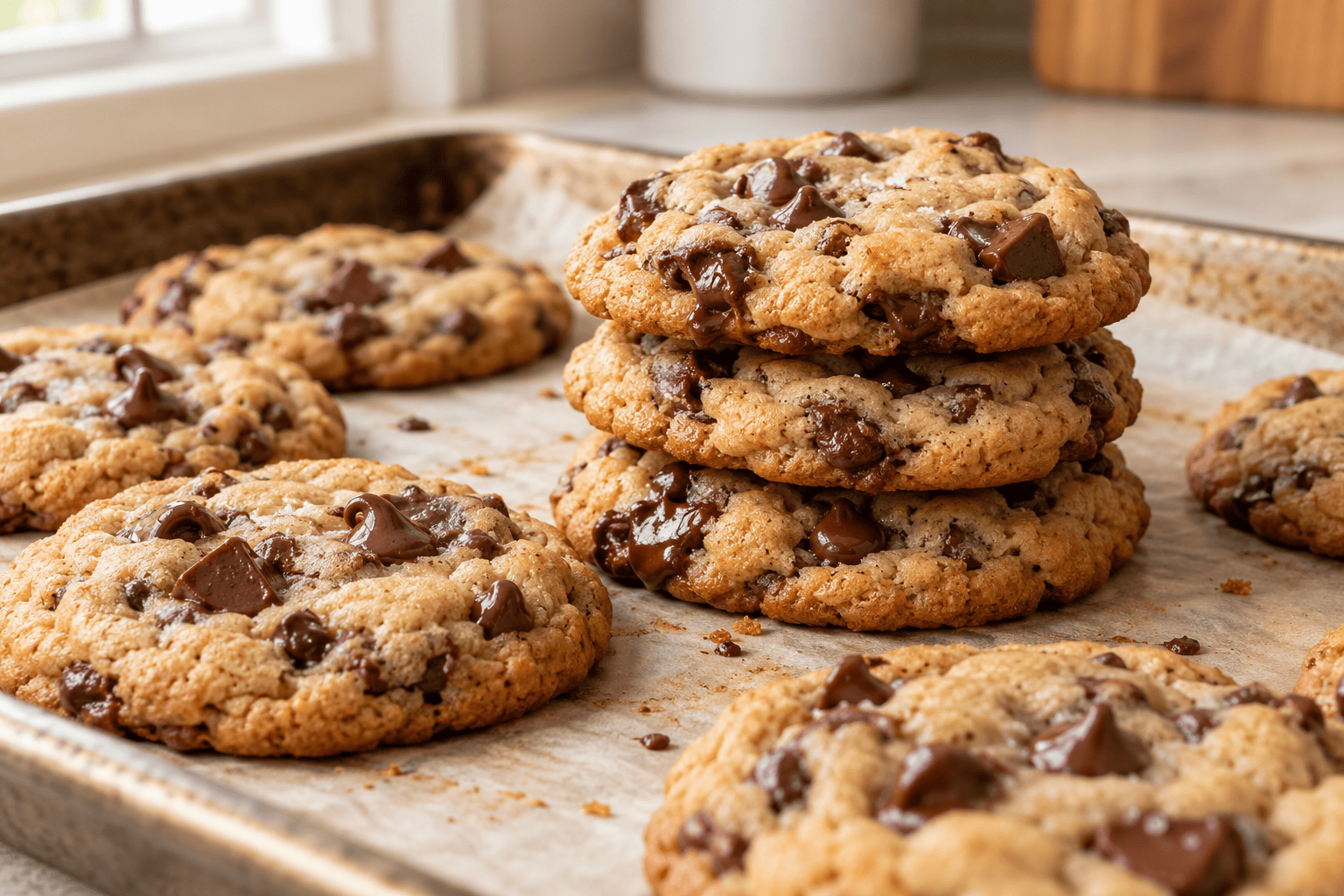
| Chocolate chip cookies | About 3–7 days | Airtight container at room temperature |
| Sugar cookies | About 1 week | Airtight container at room temperature |
| Oatmeal cookies | About 3–5 days | Airtight container at room temperature |
| Soft, chewy cookies | About 3–5 days | Airtight container to help retain moisture |
| Decorated cookies with royal icing | Often about 1–2 weeks, depending on the recipe and icing | Cool, dry storage in a suitable container |
| Cookies with cream cheese frosting or custard filling | Depends on the recipe and refrigeration requirements | Refrigerate when required by food-safety guidance |
These are general freshness estimates, not guaranteed food-safety limits. Recipes and storage conditions vary, so follow the specific recipe’s instructions, especially for cookies with perishable toppings or fillings.
Cookies That Usually Last Longer
Shortbread cookies and biscotti often retain their quality longer because they are relatively dry. When stored in an airtight container, they are less likely to become soft from moisture in the air.
Decorated sugar cookies made with royal icing may also keep their quality for several days when the icing has dried fully and the cookies are stored properly. Their actual shelf life depends on the recipe, decorations, and storage conditions.
Cookies That Go Stale Faster
Soft, chewy cookies and moist oatmeal cookies can lose their ideal texture sooner. They may dry out if left uncovered or become too soft if exposed to humidity.
Cookies with cream cheese frosting, custard, or other perishable fillings need extra care. Their storage requirements depend on the ingredients and recipe, and refrigeration may be necessary even if the cookies still look fresh.
How to Keep Different Cookies Fresh
- Store soft cookies separately from crisp cookies to prevent moisture from changing their texture.
- Let freshly baked cookies cool completely before placing them in airtight containers.
- Use parchment paper between layers to help prevent cookies from sticking together.
- Keep containers away from heat, sunlight, and humid areas.
- Freeze extra cookies in suitable packaging if you want to keep them for longer.
The main rule is simple: dry cookies generally keep their crisp texture longer, while soft and moist cookies often need more careful storage. Always consider the ingredients and food-safety instructions, not just how a cookie looks or feels.
How Long Do Homemade Cookies Taste Fresh Enough to Sell?
Homemade cookies are generally at their best for about 3 to 7 days after baking, depending on the recipe, ingredients, packaging, and storage conditions. For home bakers who sell cookies, the goal is to deliver treats that taste fresh, have the right texture, and meet food-safety requirements when they reach the customer.
However, the best selling window is different from the maximum time a cookie might remain edible. A cookie may still be suitable to eat after it loses its crisp edges or soft center, but customers expect the flavor and texture promised by the recipe.
How Long Should You Keep Different Cookies Before Selling Them?
| Cookie type | General freshness target | What sellers should check |
| Chocolate chip cookies | About 3–7 days | Soft center, pleasant chocolate flavor, and no excessive dryness |
| Sugar cookies | About 5–7 days | Firm shape, good flavor, and decorations that remain intact |
| Shortbread cookies | About 1–2 weeks | Crisp texture and a fresh buttery flavor |
| Oatmeal cookies | About 3–5 days | Moist texture without becoming soggy or overly dry |
| Decorated cookies | Depends on the recipe and icing | Fully set icing, suitable packaging, and no moisture damage |
| Cookies with perishable fillings or frosting | Follow the recipe’s specific storage requirements | Temperature control and safe handling throughout storage and delivery |
These are general quality estimates, not guaranteed selling periods or food-safety limits. A baker should test the actual recipe and packaging before promising customers a particular shelf life.
How to Keep Cookies Fresh Before a Sale
- Bake close to the delivery date. Plan baking around pickup, market, or shipping schedules. This helps customers receive cookies while their flavor and texture are still at their best.
- Cool cookies completely. Place freshly baked cookies on a wire rack before packing them. Packaging warm cookies can trap steam and create condensation, which may soften crisp cookies and damage icing.
- Use suitable food-safe packaging. Airtight bags, sealed containers, and suitable cookie boxes can help protect cookies from air, moisture, dust, and handling. Choose packaging that suits the cookie type.
- Keep different cookie types separate. Soft cookies can transfer moisture to crisp cookies, so package them separately to help preserve their intended textures.
- Follow food-safety rules. Cookies with cream cheese frosting, custard, or other perishable ingredients may need refrigeration. Follow the recipe, applicable local food regulations, and safe temperature-control practices.
How Can You Tell If Cookies Are Still Good Enough to Sell?
Before selling a batch, check its appearance, texture, smell, and packaging. Look for visible mold, unusual changes, damaged seals, or signs of moisture buildup. Also check whether the cookies still match the quality you promised customers.
Do not rely on smell or appearance alone to decide whether food is safe. Keep records of baking dates, ingredients, storage conditions, and any shelf-life tests you conduct. For home bakery businesses in the United States, check the food-handling and labeling requirements that apply in your state and locality.
The best approach is to set a realistic freshness window for each recipe, test it under normal storage conditions, and use a shorter selling period if quality declines sooner. This helps home bakers protect customer trust while serving cookies that taste as good as possible.
Do Cookies Have To Be Refrigerated?
No, most plain homemade cookies do not need to be refrigerated. Chocolate chip cookies, sugar cookies, shortbread, and many other fully baked cookies can usually be stored in an airtight container at room temperature in a cool, dry place. Refrigeration may make some cookies firm, dry, or less enjoyable to eat.
However, cookies made with perishable fillings or toppings, such as cream cheese frosting, custard, or certain dairy-based fillings, may need refrigeration to stay safe. Always follow the recipe’s storage instructions and reliable food-safety guidance.
When Can You Store Cookies at Room Temperature?
Room-temperature storage is usually suitable for ordinary baked cookies that do not contain perishable fillings or toppings.
- Chocolate chip cookies: Store in an airtight container to help maintain their soft centers.
- Sugar cookies: Keep in a clean, dry container to protect their texture and decorations.
- Shortbread cookies: Store in an airtight container to help preserve their crisp texture.
- Oatmeal cookies: Seal them properly to reduce moisture loss and prevent unwanted changes in texture.
Let cookies cool completely before storing them. Keep the container away from direct sunlight, heat, and humidity.
When Should You Refrigerate Cookies?
Refrigeration may be necessary when cookies contain ingredients that require cold storage. Examples include cream cheese frosting, custard fillings, and certain dairy-based toppings.
Keep these cookies in a covered container and follow the recipe’s instructions. The refrigerator should be set at 40°F (4°C) or below, in line with USDA food-safety guidance.
Do not assume that every cookie containing butter, milk, or eggs needs refrigeration. The finished recipe, moisture level, filling, and food-handling instructions determine the appropriate storage method.
Does Refrigeration Make Cookies Last Longer?
Refrigeration can help control the growth of harmful bacteria in foods that need cold storage, but it is not the best option for every cookie. Cold air may dry out baked cookies, firm up butter, and change their texture.
For ordinary cookies that do not require refrigeration, an airtight container at room temperature is often the better choice for freshness. For longer storage, freezing is another option for many baked cookies.
The bottom line: Store plain homemade cookies in an airtight container at room temperature, refrigerate cookies that require cold storage, and follow the recipe’s food-safety instructions whenever fillings or toppings are perishable.
Which Cookies Need the Fridge, and Can You Still Sell Them?
Some homemade cookies need refrigeration because they contain perishable fillings or toppings that can support harmful bacterial growth if left at room temperature for too long. Examples include cookies with cream cheese frosting, custard fillings, cheesecake-style centers, or certain dairy-based fillings. Plain chocolate chip cookies, sugar cookies, and shortbread usually do not need refrigeration if they are prepared and stored properly.
Yes, you can sell cookies that need refrigeration, provided you follow the food-safety rules that apply to your business, keep the cookies at the required temperature, and tell customers how to store them after purchase.
Which Homemade Cookies Need Refrigeration?
- Cookies with cream cheese frosting: Usually need refrigeration because cream cheese is perishable. Follow the recipe’s specific instructions.
- Custard-filled cookies: Need careful temperature control because custard is a perishable filling.
- Cheesecake cookies: Often require refrigeration, especially when they contain a moist cheesecake-style center.
- Cookies with whipped cream or other perishable dairy fillings: Generally need refrigeration unless a validated recipe and food-safety process establish otherwise.
- Plain baked cookies: Often can be stored at room temperature in an airtight container when they contain no perishable filling or topping.
Keep refrigerated cookies in a covered, food-safe container and maintain a refrigerator temperature of 40°F (4°C) or below.
Can You Sell Refrigerated Cookies at a Bakery or Farmers Market?
Yes, but you need a safe storage and delivery plan. Requirements vary by state and locality in the United States, so check your local health department’s rules and your state’s cottage food laws before selling cookies that require refrigeration.
Follow these steps:
- Use a tested recipe. Confirm the correct storage requirements for the filling, frosting, and finished cookie.
- Maintain the required temperature. Use suitable refrigeration during storage, transport, and display.
- Use appropriate packaging. Choose food-safe containers that protect the cookies from contamination and moisture.
- Label storage instructions. Tell customers when a product must be refrigerated and how to store it after purchase.
- Plan pickup and delivery carefully. Limit the time refrigerated cookies spend outside temperature-controlled storage.
For foods that require refrigeration, the USDA advises against leaving perishable foods at room temperature for more than two hours, or one hour when the temperature is above 90°F (32°C). Follow any stricter requirements that apply to your product.
How Should You Tell Customers to Store These Cookies?
Give customers clear instructions on the label or product card. For example:
- Keep refrigerated at 40°F (4°C) or below.
- Return leftovers to the refrigerator promptly.
- Follow the stated use-by or storage guidance.
- Check the packaging for any additional handling instructions.
Do not promise that a cookie will remain safe for a fixed number of days unless that period is supported by the recipe, storage conditions, and suitable food-safety guidance.
The key takeaway: Cookies with perishable fillings or toppings can be sold, but they need the right temperature control and clear storage instructions. Before offering them for sale, confirm that your recipe and business meet the food-safety rules in your area.
How To Store Cookies in the Refrigerator
Storing homemade cookies in the refrigerator can help keep cookies with perishable fillings or toppings safe when handled correctly. However, refrigeration is not necessary for every cookie, and cold air can make some baked cookies dry or firm. The best method depends on the ingredients, moisture level, and storage instructions for your recipe.
Follow these steps to store cookies in the refrigerator properly.
1. Let the Cookies Cool Completely
Allow freshly baked cookies to cool fully before placing them in a container. Packing warm cookies can trap steam, create condensation, and leave the cookies soggy.
If the cookies contain a filling or topping that needs refrigeration, do not leave them at room temperature for an extended period while waiting for them to cool. Follow the recipe’s food-safety instructions.
2. Use an Airtight Container
Place the cookies in a clean, food-safe container with a tight-fitting lid. This helps reduce moisture loss, protects the cookies from refrigerator odors, and limits contact with other foods.
For layered cookies, place parchment paper between the layers to prevent sticking, frosting damage, and crumbling.
3. Keep Different Cookie Types Separate
Store soft cookies separately from crisp cookies whenever possible. Soft cookies can release moisture that makes crisp cookies lose their texture. Strongly flavored cookies should also be kept apart from delicate varieties to prevent unwanted flavor transfer.
For decorated sugar cookies, make sure the icing has set before stacking them, unless the recipe specifies another method.
4. Maintain the Correct Refrigerator Temperature
Keep the refrigerator at 40°F (4°C) or below. Store cookies that require refrigeration in a covered container, away from raw foods and anything that could contaminate them.
Avoid leaving perishable cookies on the counter for long periods during serving, packing, or transport. For perishable foods, the USDA advises a maximum of two hours at room temperature, reduced to one hour when temperatures exceed 90°F (32°C).
5. Label and Use the Cookies Within the Recommended Period
Write the baking or storage date on the container. Follow the recipe’s recommended storage period, especially for cookies with cream cheese frosting, custard, or other perishable fillings.
There is no single refrigerator shelf life that applies to every homemade cookie. Ingredients, preparation, and storage conditions all matter. If you notice visible mold or other signs of spoilage, discard the affected cookies rather than tasting them to check whether they are safe.
How Can You Keep Refrigerated Cookies From Drying Out?
- Seal the cookies in an airtight container.
- Avoid placing unwrapped cookies near cold-air vents.
- Keep soft and crisp cookies in separate containers.
- Bring plain cookies to room temperature before serving if the recipe allows it.
- Freeze suitable cookies if you need to store them for longer than their recommended refrigerator period.
The main rule: Refrigerate homemade cookies when their ingredients require cold storage, protect them in a sealed container, and follow the recipe’s food-safety instructions. For ordinary cookies that do not need refrigeration, a cool, dry place may preserve their texture better.
Extending Cookie Shelf Life
You can help homemade cookies stay fresh longer by choosing the right storage method, using suitable packaging, and protecting them from air, heat, and moisture. These steps help preserve the flavor and texture of chocolate chip cookies, sugar cookies, oatmeal cookies, shortbread, and other homemade varieties.
However, longer freshness does not always mean longer food safety. Cookies with perishable fillings or toppings need special care, even when stored in airtight containers.
Proper Storage Techniques
Follow these simple steps to keep homemade cookies fresh for as long as their recipe allows.
- Let cookies cool completely. Place freshly baked cookies on a wire rack before storing them. Packing warm cookies can trap steam and create condensation, making them soggy.
- Choose the right container. Use a clean, airtight container for most plain cookies. A suitable cookie tin can also work well for dry, crisp varieties.
- Separate soft and crispy cookies. Soft cookies release moisture that can soften crisp cookies. Store different textures separately to help maintain their original quality.
- Keep cookies in a cool, dry place. Avoid direct sunlight, heat sources, and humid areas that can change their texture.
- Follow recipe-specific storage instructions. Cookies with cream cheese frosting, custard, or other perishable ingredients may need refrigeration rather than room-temperature storage.
Airtight Containers
Airtight containers help homemade cookies retain their texture by reducing exposure to air and changes in humidity. They also help prevent cookies from absorbing odors from nearby foods.
For best results:
- Use a clean container with a tight-fitting lid.
- Place parchment paper between layers to prevent sticking and damage.
- Store soft cookies separately from crisp cookies.
- Avoid adding fresh bread or other foods to the container as a way to soften cookies, since this can introduce unwanted moisture and does not provide a reliable food-safety benefit.
Airtight storage helps preserve quality, but it does not stop every form of spoilage or make cookies safe indefinitely.
Freezing Methods
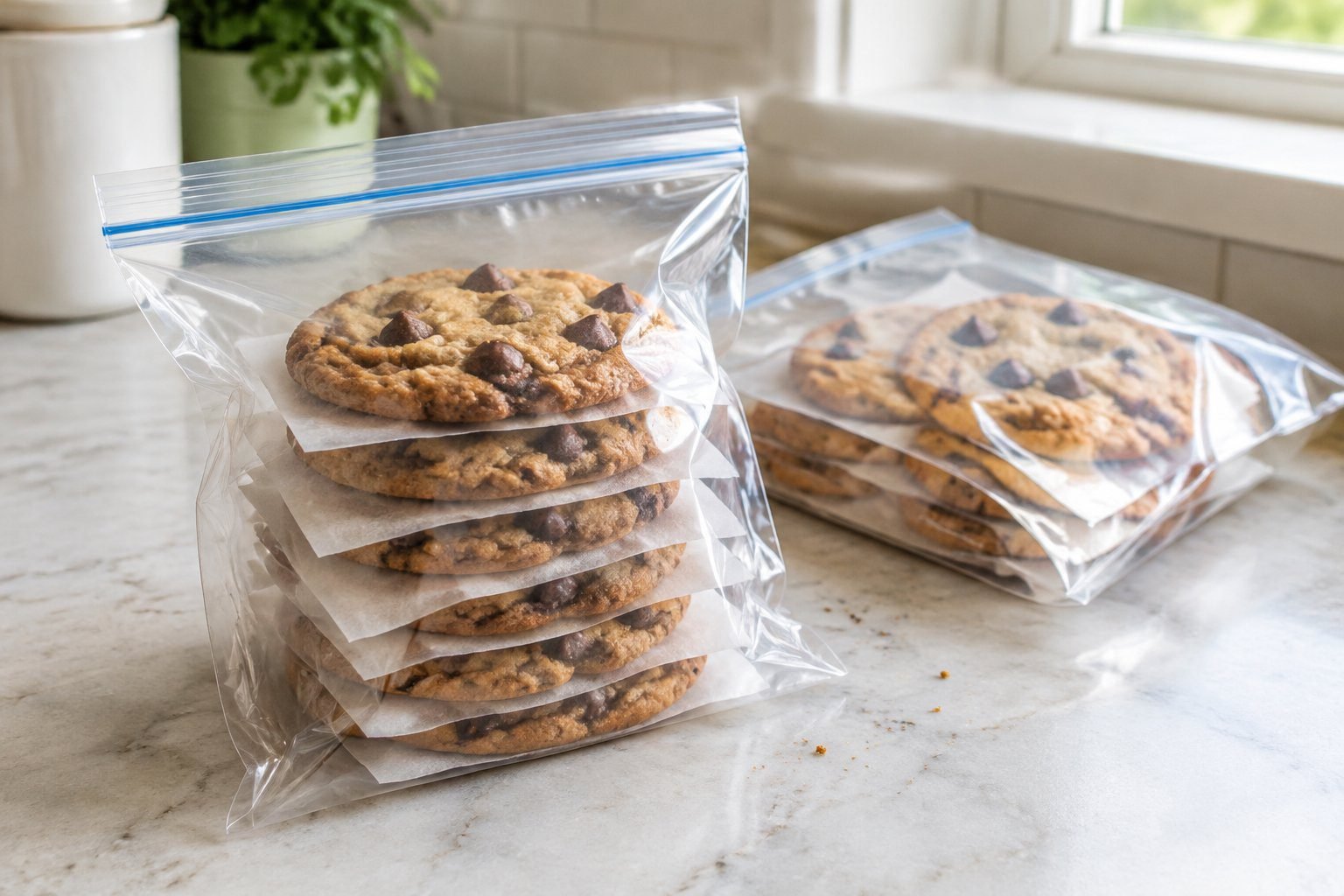
Freezing is one of the most useful ways to keep homemade cookies for longer periods. Many baked cookies freeze well for several months when packaged correctly and stored at 0°F (-18°C) or below.
Use this method:
- Bake the cookies and allow them to cool completely.
- Place them in a single layer on a tray if you want to freeze them before packing.
- Once firm, transfer them to a freezer-safe bag or airtight container.
- Separate layers with parchment paper to prevent sticking.
- Remove excess air, seal the package, and label it with the date.
- Thaw cookies in their wrapping at room temperature to help reduce condensation.
For frosted or filled cookies, check whether the recipe is suitable for freezing. Some frostings and fillings change texture after thawing, and cookies with perishable ingredients still need safe temperature control.
How Long Can Freezing Preserve Cookie Quality?
The exact period depends on the cookie type, packaging, and freezer conditions. Dry cookies may retain their texture better than delicate cookies with moist fillings or toppings. Even when frozen food remains safe at a constant 0°F (-18°C), its taste and texture can decline over time.
For the best results, label each batch, use older packages first, and inspect the cookies after thawing. Discard cookies that show signs of spoilage rather than trying to restore them through reheating.
The best way to extend homemade cookie shelf life is to match the storage method to the recipe. Airtight containers work well for many plain cookies, while freezing is useful for longer storage. Cookies with perishable fillings or toppings require appropriate temperature control regardless of how well they are packaged.
How Do You Package Cookies So They Stay Fresh After the Sale?
The best way to package homemade cookies is to let them cool completely, choose clean food-safe packaging, and protect them from air, moisture, and damage during transport. Proper packaging helps preserve the flavor and texture of chocolate chip cookies, sugar cookies, shortbread, and other baked treats while giving customers a clean, professional product.
For home bakers and small cookie businesses, the right packaging also helps prevent broken cookies, soggy textures, damaged decorations, and unwanted odors.
1. Let Cookies Cool Completely Before Packaging
Allow freshly baked cookies to cool fully on a wire rack before placing them in cookie bags, boxes, or airtight containers. Warm cookies release steam, which can create condensation inside the packaging and make the cookies soft or soggy.
If cookies have icing or frosting, allow the decorations to set according to the recipe before stacking or wrapping them.
2. Choose Food-Safe Packaging
Different cookie types need different packaging to maintain their quality.
- Airtight bags: Suitable for many plain cookies when properly sealed.
- Food-safe plastic containers: Help protect soft cookies from air exposure and physical damage.
- Cookie tins: Useful for dry, crisp cookies such as shortbread and biscotti.
- Cardboard cookie boxes: Good for presentation and transport, but they may not provide an airtight seal on their own.
- Parchment paper: Helps separate cookie layers and prevents cookies from sticking together.
Choose packaging that fits the cookies without crushing them. For longer storage, use a suitable sealed bag or container rather than relying on a decorative box alone.
3. Package Soft and Crispy Cookies Separately
Soft cookies, such as chewy chocolate chip cookies, contain more moisture than many crisp varieties. If you package them together, moisture can move from the soft cookies to the crisp ones, changing their texture.
To prevent this:
- Pack soft cookies and crisp cookies in separate bags or containers.
- Use parchment paper between layers when needed.
- Keep decorated cookies separate until the icing has set.
- Avoid overcrowding the package, which can damage cookies and decorations.
These simple steps help each cookie type retain its intended texture.
4. Protect Cookies During Delivery
Cookies can lose quality during transport if they are exposed to heat, humidity, or rough handling.
Use a sturdy box with enough space to prevent crushing. Add clean, suitable cushioning around the packages, and keep cookies away from direct sunlight or hot vehicles.
For cookies with cream cheese frosting, custard, or other perishable fillings, ordinary packaging is not enough. Use appropriate temperature-controlled transport and follow the food-safety requirements for the product.
5. Add Clear Storage Instructions
If you sell homemade cookies, include a simple label or storage card with useful information, such as:
- The cookie name and relevant ingredient information.
- The baking or packaging date, where appropriate.
- Storage instructions, such as keeping the cookies in an airtight container.
- Refrigeration instructions for cookies with perishable fillings or toppings.
- Any required allergen and business labeling information under applicable local rules.
For US home bakers, check your state’s cottage food laws and local health department requirements. Rules for ingredient labels, allergens, and refrigerated products can vary by location.
6. Test Your Packaging Before Selling
Before choosing packaging for regular sales, test it with the actual cookie recipe. Check how the cookies hold up after packing, transport, and storage under normal conditions.
Look for changes in texture, broken edges, damaged icing, condensation, or loss of flavor. Record the storage conditions and test dates so you can set realistic quality expectations.
Do not claim a particular shelf life based on packaging alone. Food safety also depends on ingredients, preparation, temperature, and handling.
The key takeaway: Cool cookies fully, use food-safe packaging suited to each cookie type, separate soft and crisp varieties, and protect the package during delivery. For cookies that need refrigeration, maintain the required temperature and give customers clear storage instructions.
Signs of Spoilage
Homemade cookies can lose their freshness over time, but stale cookies and spoiled cookies are not the same thing. Stale cookies may become dry, hard, or soft because of changes in moisture. Spoiled cookies may develop mold or other changes that make them unsafe to eat.
The ingredients, storage conditions, and time spent at room temperature all affect how cookies hold up. Check your cookies before eating them, especially if they contain cream cheese frosting, custard, or other perishable fillings.
Visual Indicators
Look closely at your cookies for changes that were not present when they were freshly baked.
- Visible mold: Fuzzy or powdery patches in unusual colors can indicate mold growth. Discard moldy cookies rather than trying to remove the affected area.
- Unusual discoloration: Unexpected spots or changes in appearance may indicate spoilage, particularly when combined with other warning signs.
- Moisture or condensation: Unexpected dampness inside a storage container can affect quality and may signal poor storage conditions.
- Changes in frosting or filling: Unusual discoloration, separation, or other unexpected changes in a perishable topping deserve caution.
Do not assume that cookies are safe simply because they look normal. Some harmful bacteria cannot be seen with the naked eye.
Texture Changes
Changes in texture often indicate that cookies have lost their best quality, although texture alone cannot confirm whether they are unsafe.
- Dry or hard cookies: Cookies may lose moisture when left uncovered or stored in a poorly sealed container.
- Soft or soggy cookies: Crisp cookies can absorb moisture from humid air or from softer cookies stored nearby.
- Unexpectedly sticky surfaces: Unusual stickiness may result from moisture, melted ingredients, or other storage problems.
- Changes in fillings: A filling that becomes unexpectedly watery or changes in texture should be checked carefully, especially if the cookie contains perishable ingredients.
A cookie that has simply become stale is not automatically spoiled. However, do not eat cookies that show signs of mold or have been stored in unsafe conditions.
Smell and Taste
Freshly baked cookies usually have a pleasant smell from ingredients such as butter, vanilla, chocolate, and spices. An unusual sour, rancid, or otherwise unpleasant odor can be a warning sign.
Changes in smell can occur as fats become rancid or ingredients deteriorate. However, harmful bacteria may be present without changing the food’s smell, taste, or appearance.
Never taste a questionable cookie to check whether it is safe. If you notice an unusual odor, visible mold, or another clear sign of spoilage, discard the cookies. When storage conditions are uncertain, especially for cookies containing perishable fillings, take the safer option.
How to Reduce the Risk of Cookie Spoilage
- Store plain cookies in clean, airtight containers in a suitable place.
- Refrigerate cookies when their ingredients or recipe require cold storage.
- Keep the refrigerator at 40°F (4°C) or below.
- Avoid mixing freshly baked cookies with old batches.
- Label stored cookies with the baking or storage date.
- Follow recipe-specific storage instructions and reliable food-safety guidance.
For perishable foods, the USDA advises against leaving them at room temperature for more than two hours, or more than one hour when the temperature is above 90°F (32°C).
The main rule: Dryness and loss of crispness usually point to a quality problem, while visible mold and unsafe storage call for caution. Because smell and appearance cannot guarantee safety, use the ingredients, storage history, and proper food-safety guidance to decide whether homemade cookies should be discarded.
Why Do Homemade Cookies Go Stale Faster Than Store-Bought Ones?
Homemade cookies often go stale faster than store-bought cookies because they usually contain fewer preservatives and may not use the same packaging methods as commercial products. Store-bought cookies are often made with carefully controlled recipes, moisture levels, and sealed packaging that help maintain their texture and quality for longer.
However, homemade cookies do not always go stale faster. Their shelf life depends on the recipe, ingredients, baking method, moisture content, and storage conditions.
1. Homemade Cookies May Contain Fewer Preservatives
Many homemade cookie recipes use basic ingredients such as flour, butter, sugar, eggs, and chocolate chips. Some commercial cookies contain approved preservatives or other ingredients that help slow quality changes and extend shelf life.
Without these ingredients, homemade cookies may lose their freshness sooner. However, preservatives are not the only factor that determines shelf life. Proper baking, packaging, and storage also make a difference.
2. Moisture Loss Changes Cookie Texture
Moisture plays a major role in how cookies stay soft or crisp.
Soft, chewy homemade cookies can become hard when they lose moisture to the surrounding air. Crisp cookies can absorb moisture from humid air and become soft. These changes may happen faster when cookies are left uncovered or stored in containers that do not seal properly.
To help maintain the intended texture, store cookies in airtight containers and keep soft and crispy varieties separate.
3. Commercial Cookies Often Have Better-Sealed
Packaging
Store-bought cookies are commonly packed in sealed wrappers or containers that limit exposure to air and moisture. Some packages also provide a barrier against light and outside odors.
Homemade cookies are often stored in loosely covered bowls, paper bags, or decorative boxes. These containers may protect cookies from dust and damage but may not prevent moisture loss as effectively.
For better results, let homemade cookies cool completely and place them in a clean, airtight container. If you sell cookies, choose food-safe packaging that suits the cookie type and expected storage period.
4. Homemade Recipes Can Have Different Moisture Levels
Cookie recipes vary in the amount of butter, sugar, eggs, and other ingredients they contain. Baking time also affects the final moisture level.
For example, a dry shortbread cookie may retain its crisp texture longer than a soft, chewy oatmeal cookie. A cookie with a moist filling may need different storage conditions from a plain chocolate chip cookie.
This is why one shelf-life estimate cannot apply to every homemade cookie.
5. Storage Conditions Make a Big Difference
Heat, humidity, air exposure, and improper packaging can all shorten the period cookies retain their best quality.
Follow these simple storage tips:
- Allow freshly baked cookies to cool completely before sealing them.
- Use airtight containers to reduce exposure to air.
- Store soft and crispy cookies separately.
- Keep cookies in a cool, dry place away from direct sunlight.
- Freeze extra cookies in suitable packaging if you want to keep them for longer.
- Refrigerate cookies with perishable fillings or toppings when required by the recipe.
Remember that keeping cookies fresh is different from keeping them safe. Cookies with perishable ingredients need appropriate temperature control, even if they look and smell normal.
The bottom line: Store-bought cookies often last longer because of their recipes, controlled production, and sealed packaging. You can help homemade cookies retain their best taste and texture by using suitable storage containers, controlling moisture, and choosing the right storage method for each recipe.
Conclusion
Homemade cookies can stay fresh for several days when stored correctly, but their shelf life depends on the recipe, moisture content, and storage conditions. In preparing and storing cookies, one of the most useful habits to follow is letting them cool completely before placing them in an airtight container. Keeping soft and crispy cookies separate also helps preserve their texture, while freezing provides a practical option for storing extra batches.
Cookies with cream cheese frosting, custard, or other perishable fillings need special care and should be stored according to reliable food-safety guidance. These simple steps can help reduce waste and keep your cookies tasting their best. Before eating stored cookies, check for signs of spoilage and consider how they have been handled, rather than relying on smell or appearance alone. With the right storage method, you can make the most of every batch and enjoy homemade cookies with greater confidence.
Frequently Asked Questions
How long do homemade cookies last in an airtight container?
Most homemade cookies retain their best quality for about 3–7 days in an airtight container at room temperature. Dry cookies, such as shortbread, may keep their texture longer, while soft cookies can lose moisture or become soggy. Cookies with perishable fillings or toppings need different storage conditions.
Can homemade cookies last two weeks?
Yes, some dry cookies, such as shortbread and biscotti, may retain good quality for around two weeks when stored properly. However, soft cookies may become stale sooner, and cookies with perishable fillings may require refrigeration. Two weeks is not a universal safe storage period for every homemade cookie.
Should I refrigerate homemade chocolate chip cookies?
Plain chocolate chip cookies usually do not need refrigeration. Store them in an airtight container in a cool, dry place to help maintain their texture. If they contain cream cheese frosting or another perishable filling, follow the recipe’s refrigeration instructions.
How long do homemade cookies last in the fridge?
The refrigerator shelf life depends on the recipe and ingredients. Cookies with cream cheese frosting, custard, or other perishable fillings need appropriate refrigeration and should be stored at 40°F (4°C) or below. Follow recipe-specific storage guidance rather than applying one timeline to every cookie.
How long do homemade cookies last in the freezer?
Many homemade cookies retain good quality for several months in a freezer kept at 0°F (-18°C) or below. Let the cookies cool completely, wrap them securely, and place them in a freezer-safe bag or airtight container. Their texture and flavor may change over time, depending on the recipe and packaging.
How can I keep homemade cookies soft for longer?
Let cookies cool completely, then store them in an airtight container. Keep the container away from heat and direct sunlight, and avoid mixing soft cookies with crisp varieties. These steps help reduce unwanted moisture changes and maintain a soft texture.
How do I keep homemade cookies crispy?
Allow cookies to cool fully before placing them in a clean, airtight container. Store them separately from soft cookies and keep them away from humid areas. Moisture can make crisp cookies lose their crunch, so suitable packaging is important.
How can I tell if homemade cookies have gone bad?
Look for visible mold, unusual discoloration, or other clear signs of spoilage. An unpleasant or rancid smell can also be a warning. However, harmful bacteria may be present without changing a cookie’s appearance or smell, so proper storage and handling matter. Do not taste questionable cookies to check whether they are safe.
Do cookies with cream cheese frosting need refrigeration?
Yes, cookies with cream cheese frosting generally require refrigeration unless reliable recipe-specific food-safety guidance establishes otherwise. Keep them covered in a refrigerator at 40°F (4°C) or below, and follow the recipe’s storage instructions.
Can I store different types of homemade cookies together?
It is better to store soft and crispy cookies separately. Soft cookies can transfer moisture to crisp cookies, making them lose their crunch. Strongly flavored cookies may also affect the flavor of more delicate varieties, so separate containers can help preserve taste and texture.
Is it safe to eat homemade cookies after a week?
It depends on the cookie recipe, ingredients, storage conditions, and signs of spoilage. Some plain cookies may still have good quality after a week, while others may become stale sooner. Cookies containing perishable fillings require extra care. Follow reliable food-safety guidance, and discard cookies that show signs of spoilage or have been stored unsafely.