
Have you ever looked in the mirror and noticed yellow stains on your teeth from coffee, tea, or everyday foods? You may have searched for a baking soda toothpaste recipe because you want a simple, affordable way to make your smile look cleaner without spending money on expensive whitening treatments. A basic homemade mixture uses baking soda (sodium bicarbonate) and water, but there is an important difference between removing surface stains and protecting your teeth against cavities. Baking soda may help loosen some stains, yet a homemade mixture does not provide the established cavity protection of fluoride toothpaste.
Before trying a DIY recipe, it helps to know which ingredients are suitable, how baking soda works, and what risks to avoid. This guide examines common homemade recipes, the evidence behind their whitening benefits, and advice from trusted dental sources so you can make an informed choice. Keep reading to learn what baking soda can and cannot do for your teeth, and which options are better supported for everyday oral care
Which Ingredients Should You Include in Homemade Baking Soda Toothpaste?
Homemade baking soda toothpaste usually contains sodium bicarbonate (baking soda) mixed with water or another ingredient to form a paste. Some recipes also include coconut oil, sea salt, guar gum, or essential oils. However, adding more ingredients does not automatically make a homemade toothpaste safer or more effective.
Before choosing ingredients, it helps to know what each one does and what its limits are. A homemade mixture may help clean away some surface debris or stains, but it is not the same as a tested toothpaste formulated to protect teeth against cavities.
1. Baking Soda (Sodium Bicarbonate)
Baking soda is the main ingredient in a baking soda toothpaste recipe. It is a mildly alkaline powder that can help neutralize acids and remove some surface stains when used in suitable dental formulations.
Baking soda also acts as a gentle abrasive. Its cleaning effect depends on the formula and how it is used, so a homemade mixture should not be assumed to have the same safety profile as a commercial baking soda toothpaste.
Choose plain baking soda without added fragrances or cleaning chemicals. Baking soda sold for household cleaning is not a substitute for a toothpaste tested for oral use.
2. Water
Water is commonly used to mix baking soda into a simple paste. It makes the powder easier to spread and allows you to prepare a basic mixture without adding oils or flavoring agents.
Use clean drinking water and a clean mixing utensil. Because homemade mixtures do not contain the same tested preservatives and ingredients as commercial toothpaste, adding water can increase the risk of contamination during storage. Prepare only what you need rather than assuming a homemade paste will remain safe for weeks.
3. Coconut Oil
Some homemade toothpaste recipes include coconut oil to create a smoother texture and help the ingredients stick together. It is often used in natural oral care recipes because it has a mild taste and a thick consistency.
However, coconut oil does not provide fluoride, and there is not enough strong evidence to conclude that adding it to baking soda creates a toothpaste that prevents cavities. It should not be treated as a replacement for standard dental care.
If your goal is to protect your teeth against decay, choose a fluoride toothpaste rather than relying on a baking soda and coconut oil mixture.
4. Sea Salt
Sea salt appears in some homemade toothpaste recipes because it adds texture and taste. However, it is not necessary for cleaning teeth, and adding salt does not make a baking soda mixture more effective at preventing cavities.
Salt crystals may also make a homemade mixture feel gritty. Avoid using coarse salt or scrubbing your teeth with abrasive mixtures, especially if you have sensitive teeth, gum irritation, or exposed tooth roots.
5. Guar Gum
Guar gum is a thickening agent used in some food and personal care products. In toothpaste formulations, it can help create a thicker, more stable texture.
Although it may make a homemade mixture easier to handle, guar gum does not provide fluoride or proven cavity protection. Adding it also does not establish that the mixture is safe for regular brushing.
6. Essential Oils for Flavor
Some homemade recipes use peppermint or spearmint essential oil to give toothpaste a fresh taste. However, essential oils are concentrated substances, and their safety depends on the type, concentration, and how they are used.
Do not add essential oils to a homemade toothpaste without suitable guidance on oral use and safe amounts. Some oils can irritate the mouth or gums, and swallowing them can be harmful. Children require particular care.
A fresh taste also does not prove that a toothpaste removes plaque effectively or protects against tooth decay.
7. Fluoride and Other Tooth-Strengthening Ingredients
Fluoride is one of the most important ingredients to consider when choosing toothpaste for everyday use. It helps strengthen tooth enamel and prevent cavities. Homemade baking soda recipes usually lack fluoride unless it is added through a properly formulated product.
Other ingredients, such as calcium compounds, may appear in toothpastes made to support enamel care. However, adding a mineral powder to a homemade mixture does not prove that the final product will strengthen teeth or repair enamel.
For routine brushing, choose a commercially formulated fluoride toothpaste with the American Dental Association (ADA) Seal of Acceptance. This provides a more reliable option than trying to create a cavity-protecting formula at home.
Which ingredients are actually necessary?
For a simple baking soda mixture, baking soda and clean water are the basic ingredients. Coconut oil, sea salt, guar gum, and essential oils are optional additions found in some recipes, but none is required to make a mixture, and none makes it a proven replacement for fluoride toothpaste.
If your goal is daily oral hygiene, the safest choice is a tested fluoride toothpaste. A homemade baking soda mixture has no standard formula proven to provide the same level of cavity protection.
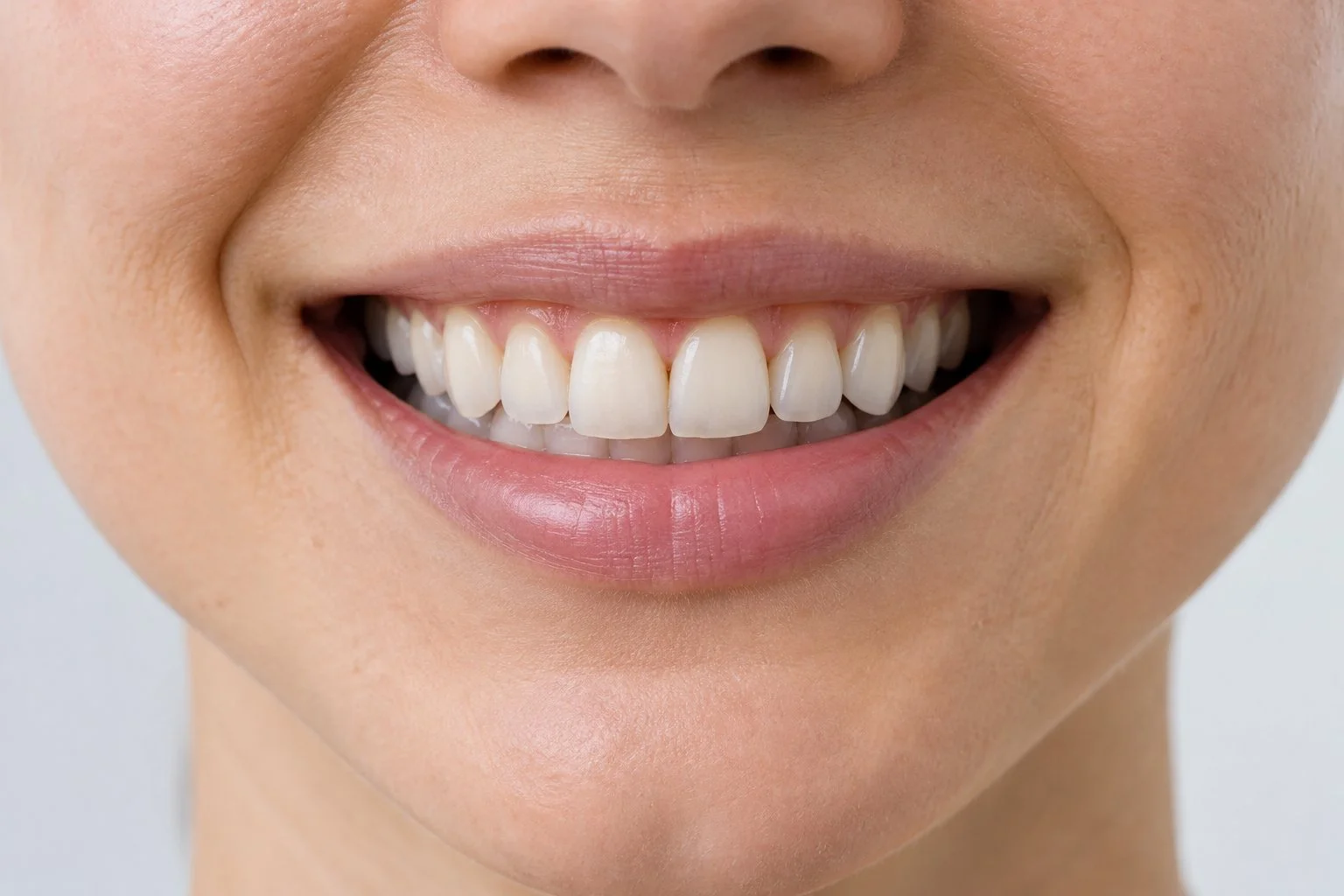
How to Make Homemade Baking Soda Toothpaste
Homemade baking soda toothpaste is usually made by mixing baking soda (sodium bicarbonate) with water to form a paste. Some recipes use coconut oil for a thicker texture or peppermint oil for flavor. However, a homemade mixture is not a tested replacement for fluoride toothpaste, which helps prevent cavities.
If you want to learn how this mixture is prepared, follow the steps below and keep its limits in mind.
Ingredients
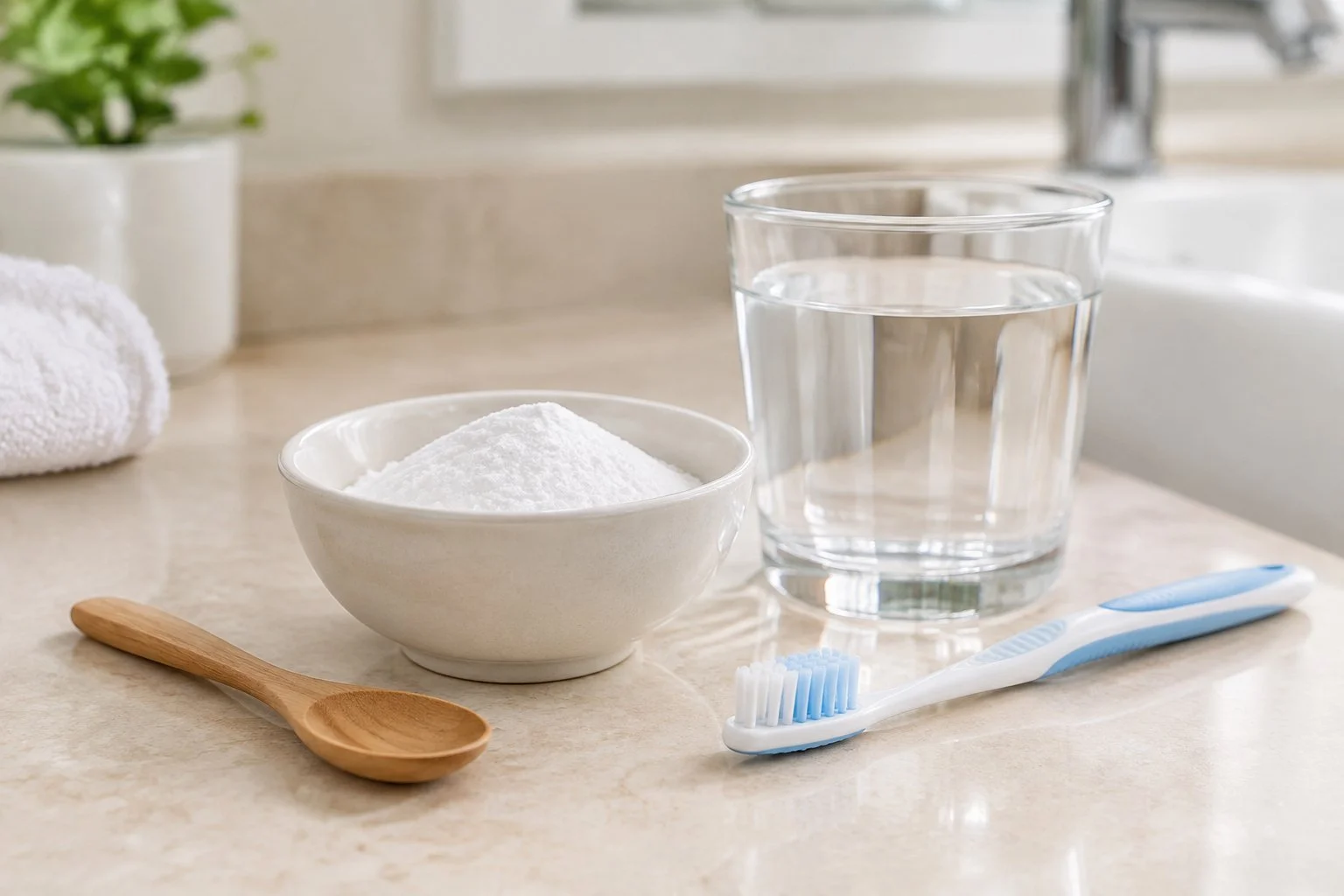
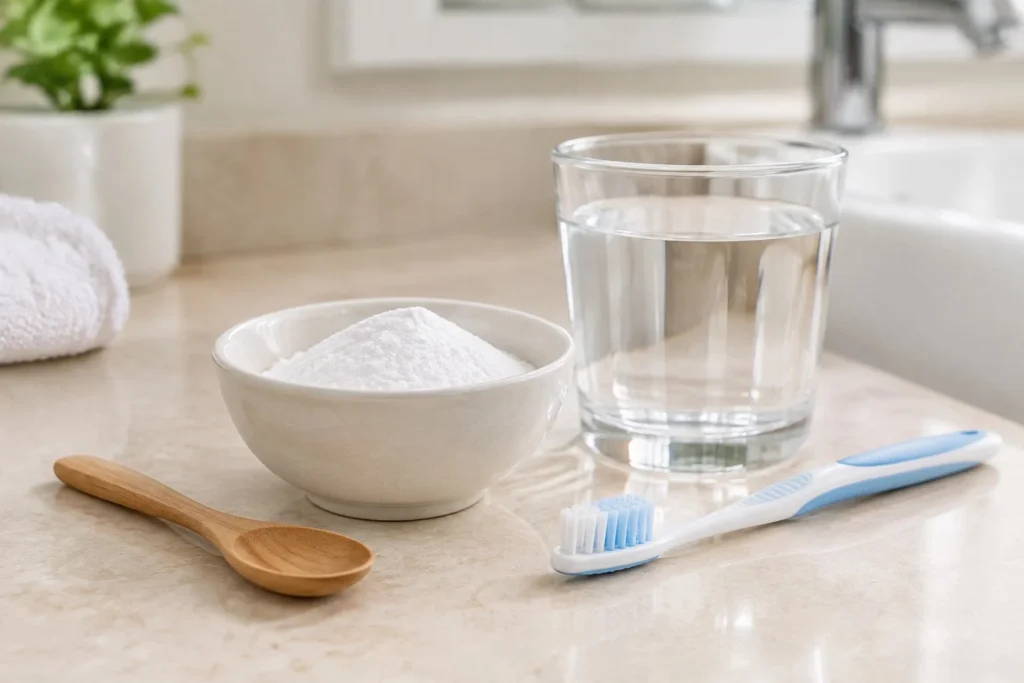
For a basic baking soda mixture, you need:
- Baking soda: Plain sodium bicarbonate without added cleaning chemicals or fragrances.
- Clean water: Drinking water to mix with the powder.
- A small, clean bowl: For mixing the ingredients.
- A clean spoon: To stir the mixture.
Water is enough to form a simple paste. You do not need to add salt, coconut oil, lemon juice, or essential oils.
Instructions
Step 1: Place the baking soda in a clean bowl.
Use plain baking soda intended for a suitable oral care application. Do not use baking powder, which contains other ingredients.
Step 2: Add a little clean water.
Mix the water into the baking soda gradually until the powder becomes a paste. Avoid adding too much water, as this will make the mixture runny.
Step 3: Stir until evenly mixed.
Break up any dry clumps with a clean spoon. The mixture should have a consistent texture rather than large, gritty lumps.
Step 4: Prepare only what you need.
Homemade toothpaste does not have a validated shelf life. Avoid storing a water-based mixture for repeated use, as contamination can occur during preparation and handling.
How to Use Homemade Baking Soda Toothpaste
A homemade baking soda mixture should not be assumed to be safe for routine brushing simply because its ingredients are familiar. Its abrasiveness and cleaning performance depend on the formula, and it does not provide the established cavity protection of fluoride toothpaste.
For daily oral hygiene, use a commercially formulated fluoride toothpaste and brush gently with a soft-bristled toothbrush. If you have sensitive teeth, gum problems, enamel wear, or exposed roots, ask your dentist before trying a homemade mixture.
Why Coconut Oil Is Sometimes Added
Some recipes combine baking soda with coconut oil to make a thicker paste. Coconut oil changes the texture and may make the mixture easier to spread, but it does not add fluoride or establish that the recipe prevents cavities.
You may also see peppermint essential oil in homemade toothpaste recipes. Essential oils are concentrated and can irritate oral tissues if used incorrectly, so avoid adding them without reliable guidance on safe oral use.
Important Safety Tips
- Avoid adding lemon juice or vinegar. Their acidity can contribute to enamel erosion.
- Do not scrub hard or use a gritty mixture aggressively.
- Keep homemade mixtures away from young children, who may swallow them.
- Do not add hydrogen peroxide or other whitening chemicals without dental guidance.
- Do not treat homemade baking soda toothpaste as a substitute for fluoride toothpaste.
The bottom line: Baking soda and water can form a simple homemade paste, but a DIY recipe has not been proven to offer the same cavity protection as tested fluoride toothpaste. For everyday brushing, a fluoride toothpaste is the better-supported choice.
Baking Soda Toothpaste at a Glance
Baking soda toothpaste is a tooth-cleaning product that contains sodium bicarbonate, a mild alkaline compound that can help remove some surface stains. You can find it in commercial toothpaste or mix baking soda with water to make a simple homemade paste. However, these two options are not the same: commercial toothpaste is formulated and tested for oral care, while a homemade mixture may lack ingredients needed for daily dental protection.
Here are the main facts to know before trying a baking soda toothpaste recipe.
| Feature | What you should know |
| Main ingredient | Baking soda, also called sodium bicarbonate |
| Common homemade mixture | Baking soda and clean water |
| Other ingredients sometimes used | Coconut oil, salt, or flavoring agents |
| Main potential benefit | Helps remove some surface stains when used in a suitable formulation |
| Cavity protection | A homemade mixture without fluoride does not provide the established cavity protection of fluoride toothpaste |
| Enamel safety | Depends on the formulation and how the mixture is used |
| Storage | Homemade mixtures can become contaminated, particularly when water is added |
| Best choice for daily brushing | A tested fluoride toothpaste, used with a soft-bristled toothbrush |
What Does Baking Soda Do for Your Teeth?
Baking soda can help clean teeth by loosening some surface stains and neutralizing acids. Its mild abrasive action can also help remove material from the tooth surface. However, it does not remove every type of discoloration, and it cannot repair cavities or rebuild lost enamel.
The results depend on the product and how it is used. A commercial toothpaste containing baking soda may have other ingredients that support cleaning and cavity prevention. A homemade baking soda and water mixture does not automatically offer the same benefits.
Is Homemade Baking Soda Toothpaste a Good Choice?
A homemade mixture may appeal to people who prefer simple ingredients, but familiar ingredients do not guarantee a safe or effective toothpaste. Homemade recipes may lack fluoride, which helps strengthen tooth enamel and prevent tooth decay.
For everyday oral care, the American Dental Association recommends brushing twice a day with fluoride toothpaste. If you want the potential stain-removal benefits of baking soda, consider a commercially formulated toothpaste with the American Dental Association (ADA) Seal of Acceptance rather than relying on a homemade mixture.
How to Make Toothpaste at Home
Making toothpaste at home usually involves mixing a few ingredients to create a paste for cleaning teeth. Common homemade recipes use baking soda, water, coconut oil, or salt. However, a simple homemade mixture is different from commercial toothpaste, which is formulated to clean teeth and may contain fluoride to help prevent cavities.
If you are exploring homemade toothpaste recipes, it is useful to know how common mixtures differ and what their limits are before choosing one.
1. Baking Soda and Water Toothpaste
Baking soda and water are the simplest ingredients used in homemade toothpaste recipes.
Ingredients:
- Plain baking soda (sodium bicarbonate).
- Clean drinking water.
- A clean bowl and spoon.
Preparation:
- Place a small amount of baking soda in a clean bowl.
- Add a little water and stir until a paste forms.
- Mix until there are no large dry clumps.
- Prepare only the amount needed for immediate use rather than storing a water-based mixture.
Baking soda may help remove some surface stains, but this mixture does not contain fluoride unless it is added through a properly formulated product. It should not replace fluoride toothpaste for daily cavity prevention.
2. Baking Soda, Salt, and Water Toothpaste
Some DIY toothpaste recipes combine baking soda, salt, and water. Salt adds texture, but it is not necessary for cleaning teeth or preventing cavities.
Adding salt can also make the mixture gritty. Coarse salt and aggressive brushing may irritate the gums, particularly in people with sensitive teeth or exposed roots.
For these reasons, a salt-based homemade mixture is not a preferred substitute for a tested toothpaste.
3. Baking Soda and Coconut Oil Toothpaste
Coconut oil is another ingredient found in homemade toothpaste recipes. It gives the mixture a thicker consistency and helps bind the powder.
Common ingredients include:
- Plain baking soda.
- Coconut oil.
- A clean bowl and spoon.
To prepare the mixture, stir the ingredients together until they form a uniform paste. Avoid adding essential oils or other substances unless their safety for oral use and appropriate concentration are established.
Coconut oil does not supply fluoride, and adding it to baking soda does not prove that the mixture prevents tooth decay. Claims that this combination provides complete dental protection are not supported by strong evidence.
Which Homemade Toothpaste Recipe Is Best?
The simplest mixture contains baking soda and water, but simplicity does not make it the best option for everyday dental care. Salt and coconut oil can change the texture, yet neither replaces fluoride or makes a homemade formula equivalent to commercial toothpaste.
For routine brushing, use a fluoride toothpaste with the American Dental Association (ADA) Seal of Acceptance. Brush twice a day with a soft-bristled toothbrush, and ask a dentist for advice if you have tooth sensitivity, gum problems, or concerns about whitening.
Safety note: Homemade toothpaste has no standard formula or universal shelf life proven to provide safe, effective daily care. Avoid storing mixtures that may become contaminated, and do not use homemade recipes as a replacement for recommended dental treatment.
What Are the Constituents of Toothpaste?
Toothpaste contains a combination of ingredients that help clean teeth, remove plaque, protect tooth enamel, improve taste, and keep the product stable. Each ingredient has a specific role. Some help remove food particles and surface stains, while others help prevent cavities or make toothpaste easier to spread across the teeth.
The exact ingredients vary by brand and formula. Commercial fluoride toothpaste is also different from homemade baking soda toothpaste because a DIY mixture may lack important ingredients needed for daily dental care.
Active Ingredients Commonly Found in Toothpaste
Active ingredients provide specific oral health benefits. The most common examples include the following.
- Fluoride
Fluoride helps strengthen tooth enamel and makes teeth more resistant to acid attacks caused by bacteria and sugars in the mouth. It also helps repair early stages of tooth decay before a cavity forms.
Common fluoride compounds used in toothpaste include sodium fluoride, stannous fluoride, and sodium monofluorophosphate. The type and amount depend on the product.
- Abrasives
Abrasives help remove plaque, food debris, and surface stains during brushing. Common examples include hydrated silica, calcium carbonate, and baking soda (sodium bicarbonate).
The type and amount of abrasive matter because toothpaste must clean teeth without causing unnecessary wear. A homemade mixture does not have the same tested formulation as a commercial toothpaste.
- Ingredients That Help Control Plaque and Tartar
Some toothpastes contain ingredients that help reduce plaque buildup or slow the formation of tartar, which is hardened plaque. Examples include certain zinc compounds and pyrophosphates.
These ingredients have different functions, and their benefits depend on the complete toothpaste formula.
Other Ingredients Found in Toothpaste
Toothpaste also contains supporting ingredients that improve its texture, taste, and stability.
| Ingredient type | Purpose | Common examples |
| Humectants | Keep toothpaste moist and prevent it from drying out | Glycerin, sorbitol |
| Binders and thickeners | Give toothpaste a smooth, consistent texture | Cellulose gum, xanthan gum |
| Detergents | Help spread toothpaste and loosen debris | Sodium lauryl sulfate |
| Flavoring agents | Improve taste and freshness | Peppermint or spearmint flavor |
| Sweeteners | Improve taste without adding sugar | Sodium saccharin, xylitol in some formulas |
| Preservatives | Help protect certain formulas against microbial growth | Ingredients vary by product |
| Water | Dissolves or carries other ingredients | Purified water |
Not every toothpaste contains all these ingredients. Their selection depends on the product’s purpose, such as cavity prevention, sensitivity relief, stain removal, or tartar control.
How Does Baking Soda Fit Into Toothpaste?
Baking soda, also called sodium bicarbonate, can serve as a mild abrasive and help neutralize acids. It is included in some commercial toothpaste formulas because it can support cleaning and help remove certain surface stains.
However, baking soda does not replace fluoride. A homemade mixture containing only baking soda and water lacks the established cavity protection provided by fluoride toothpaste.
Commercial toothpaste containing baking soda may also include fluoride, humectants, flavoring agents, and other ingredients that make the complete product suitable for regular use.
How Is Homemade Baking Soda Toothpaste Different?
Homemade baking soda toothpaste usually contains fewer ingredients than commercial toothpaste. A basic mixture may contain only baking soda and water, while other recipes add coconut oil, salt, or essential oils.
The main difference is that a homemade mixture has not undergone the same product testing to confirm its cleaning performance, stability, and safety during regular use. Adding more ingredients does not guarantee better results.
For daily oral hygiene, choose a fluoride toothpaste formulated for your needs. The American Dental Association (ADA) Seal of Acceptance can help you identify products that meet its relevant safety and effectiveness requirements.
What Ingredients Should Be Avoided in Homemade (Natural) Toothpaste?
Homemade toothpaste may seem like a simple way to clean your teeth with natural ingredients, but some DIY recipes contain substances that can irritate your mouth, wear down tooth surfaces, or expose you to unnecessary risks. An ingredient being natural does not automatically make it safe for your teeth and gums.
If you are considering a homemade baking soda toothpaste recipe, avoid ingredients that are too acidic, overly abrasive, or unsafe for use inside the mouth. Also, keep in mind that homemade toothpaste may lack fluoride, which helps prevent tooth decay.
1. Lemon Juice and Other Acidic Ingredients
Avoid adding lemon juice, vinegar, or other acidic liquids to homemade toothpaste. These ingredients can expose tooth enamel to acid, which may soften it and contribute to enamel erosion.
Enamel is the hard outer layer that protects your teeth. Once it wears away, the body cannot fully grow it back. Repeated exposure to acidic mixtures may also increase tooth sensitivity.
A safer approach: Do not mix baking soda with lemon juice or vinegar as a whitening treatment. For tooth whitening, choose a product made for dental use or ask your dentist for advice.
2. Coarse Salt and Highly Abrasive Powders
Some homemade toothpaste recipes contain sea salt, coarse salt, or other gritty powders. These ingredients are not necessary for routine tooth cleaning.
The risk depends on the particle size, the complete mixture, and how much pressure you use while brushing. Rough particles combined with aggressive brushing may irritate the gums or contribute to wear on exposed tooth surfaces.
Baking soda itself can be used in properly formulated toothpaste, but a homemade mixture has not been tested to establish its cleaning performance or safety.
A safer approach: Avoid scrubbing your teeth with coarse salt or gritty homemade powders. Use a soft-bristled toothbrush and a tested toothpaste.
3. Hydrogen Peroxide Without Dental Guidance
Hydrogen peroxide appears in some DIY teeth-whitening recipes because it can help bleach tooth stains. However, using it incorrectly or at an unsuitable concentration may irritate the gums and soft tissues inside the mouth.
Mixing hydrogen peroxide with baking soda at home does not guarantee a safe whitening product. The concentration, contact time, and other ingredients affect the risk.
A safer approach: Use a dental whitening product according to its instructions or consult a dentist before using peroxide-based treatments.
4. Undiluted Essential Oils
Peppermint, clove, and other essential oils sometimes appear in natural toothpaste recipes to improve flavor. However, these oils are concentrated substances, and some can irritate the mouth or cause harm if swallowed.
Their safety depends on the specific oil, concentration, and intended use. Adding extra drops to a homemade mixture does not make it more effective.
A safer approach: Do not add undiluted essential oils to homemade toothpaste. Use oral care products with ingredients formulated for use in the mouth.
5. Activated Charcoal and Other Unproven Whitening Ingredients
Activated charcoal is promoted in some DIY oral care recipes as a way to whiten teeth. However, evidence supporting its whitening benefits and long-term safety is limited.
Some charcoal products may be abrasive, and brushing with a gritty mixture can be a concern, especially for people with enamel wear or exposed tooth roots. Charcoal also does not replace fluoride for cavity prevention.
A safer approach: Choose a tested whitening toothpaste rather than relying on charcoal or other unproven powders.
6. Sugar, Honey, and Other Sugary Ingredients
Avoid adding sugar, honey, or syrup to homemade toothpaste. Oral bacteria can use sugars to produce acids that contribute to tooth decay.
A sweet taste does not improve a toothpaste’s cleaning ability. Commercial toothpastes may use suitable non-sugar sweeteners to improve flavor without serving as a food source for cavity-causing bacteria.
A safer approach: Leave sugar and honey out of homemade oral care mixtures.
7. Household Cleaning Products and Non-Oral Ingredients
Never use household cleaning powders, detergents, or products that are not intended for oral care as toothpaste ingredients. A product may contain chemicals, fragrances, or other substances that are unsuitable for contact with the mouth.
Use plain baking soda rather than a cleaning product that contains additional ingredients. Even then, plain baking soda mixed at home should not be assumed to provide the same safety and benefits as a formulated toothpaste.
8. Homemade Mixtures Without Fluoride as a Daily Replacement
Baking soda, coconut oil, salt, and water do not provide the established cavity protection of fluoride toothpaste. Fluoride helps strengthen enamel and makes teeth more resistant to acid attacks.
A homemade toothpaste may also lack tested ingredients for moisture control, texture, stability, and cleaning performance. Adding calcium powder or other minerals does not prove that the mixture can repair enamel or prevent cavities.
For routine brushing, use a fluoride toothpaste with the American Dental Association (ADA) Seal of Acceptance, where available.
Quick Guide: Ingredients to Avoid in DIY Toothpaste
| Ingredient | Main concern |
| Lemon juice and vinegar | Acid exposure and enamel erosion |
| Coarse salt and gritty powders | Possible irritation and excess abrasion |
| Hydrogen peroxide used incorrectly | Gum and mouth irritation |
| Undiluted essential oils | Irritation and swallowing risks |
| Activated charcoal | Limited evidence and possible abrasion |
| Sugar and honey | Can support acid production by oral bacteria |
| Household cleaning products | Ingredients may be unsafe for oral use |
The bottom line: Avoid acidic ingredients, coarse powders, unsafe whitening chemicals, concentrated essential oils, sugar, and non-oral cleaning products in homemade toothpaste. For everyday cavity prevention, a tested fluoride toothpaste remains the better-supported choice. If you have sensitive teeth, gum disease, enamel wear, or ongoing dental treatment, ask your dentist before trying a DIY mixture.
How Does Baking Soda Clean Your Teeth?
Baking soda, also known as sodium bicarbonate, helps clean teeth through its mild abrasive action and ability to neutralize acids. It can help remove some surface stains and loosen debris during brushing. However, its effects depend on how it is used and whether it is part of a properly formulated toothpaste or a homemade mixture.
1. It Helps Remove Surface Stains
Teeth can develop surface stains from coffee, tea, red wine, tobacco, and certain foods. These stains collect on the outer surface of the teeth and can make them look yellow or dull.
Baking soda has fine particles that help loosen some of these stains during brushing. This process can make teeth look cleaner, but it does not change the natural color of the teeth or remove every type of discoloration.
2. It Helps Neutralize Acids in the Mouth
Baking soda is alkaline, which means it can help neutralize acids. Acids form in the mouth when bacteria break down sugars from food and drinks. These acids can weaken tooth enamel over time and increase the risk of cavities.
Sodium bicarbonate can help reduce acidity, but this does not mean that brushing with baking soda alone prevents tooth decay. Fluoride toothpaste has a well-established role in strengthening enamel and reducing the risk of cavities.
3. It Provides a Mild Abrasive Cleaning Effect
An abrasive is a material that helps remove debris or stains through gentle friction. Baking soda can support this process when used in a suitable toothpaste formula.
However, the safety of a toothpaste depends on more than one ingredient. The formula, particle characteristics, brushing pressure, and frequency of use all matter. A homemade baking soda mixture has not undergone the same testing as a commercial toothpaste.
Use a soft-bristled toothbrush and avoid aggressive scrubbing, especially if you have sensitive teeth, gum recession, or exposed tooth roots.
4. It Helps Loosen Debris From Tooth Surfaces
During brushing, the movement of the toothbrush and the cleaning ingredients work together to remove food debris and disturb plaque, the sticky film of bacteria that forms on teeth.
Baking soda may support this cleaning process, but it does not replace proper brushing, cleaning between teeth, or professional dental care. Hardened plaque, called tartar, usually requires removal by a dental professional.
Does Baking Soda Kill Bacteria or Prevent Cavities?
Baking soda can affect the acidity of the mouth, and research has examined its role in oral cleaning. However, it should not be treated as a complete antibacterial treatment or a substitute for fluoride toothpaste.
For everyday cavity prevention, brush twice daily with fluoride toothpaste, clean between your teeth, and follow your dentist’s advice.
The bottom line: Baking soda can help remove some surface stains, neutralize acids, and support cleaning when used in a suitable toothpaste. However, a homemade baking soda and water mixture does not provide the established cavity protection of fluoride toothpaste.
Is Baking Soda Good for Your Teeth and Gums?
Baking soda, also called sodium bicarbonate, can help clean teeth and remove some surface stains when it is used in a properly formulated toothpaste. It is mildly abrasive and can help neutralize acids in the mouth. However, whether it is a good choice for your teeth and gums depends on the product, how you use it, and your oral health needs.
A commercial toothpaste containing baking soda is different from a homemade baking soda and water mixture. Commercial products may contain fluoride and other ingredients that support cavity prevention and make the formula suitable for regular brushing.
Potential Benefits of Baking Soda for Teeth
- Helps remove surface stains
Baking soda can help loosen stains caused by coffee, tea, and certain foods. This may make teeth look cleaner, but it does not change their natural color or remove every type of discoloration.
- Helps neutralize acids
Baking soda is alkaline, so it can help neutralize acids in the mouth. This may support a healthier oral environment, but it does not replace fluoride, which helps strengthen enamel and prevent tooth decay.
- Supports cleaning
Baking soda can help remove debris and surface stains through its mild abrasive action. Its cleaning effect depends on the complete toothpaste formula and how it is used.
Is Baking Soda Safe for Gums?
Baking soda in a properly formulated toothpaste is generally considered suitable for oral cleaning when used as directed. However, homemade mixtures have not been tested to the same standards as commercial toothpaste.
Brushing too hard, using a gritty mixture, or adding irritating ingredients may cause discomfort or irritation. People with gum recession, exposed tooth roots, mouth sores, or sensitive teeth should be especially careful.
To protect your gums, use a soft-bristled toothbrush and gentle brushing movements. Avoid scrubbing your teeth aggressively with dry baking soda or coarse homemade mixtures.
Can Baking Soda Damage Tooth Enamel?
Baking soda is not automatically harmful to enamel. Its effect depends on the formulation and how it is used. A properly formulated toothpaste containing baking soda is different from an untested homemade mixture.
Enamel erosion is often linked to repeated acid exposure, while excessive brushing pressure and abrasive materials can contribute to tooth wear. Avoid combining baking soda with lemon juice or vinegar because these acidic ingredients can weaken enamel.
If you already have enamel wear, tooth sensitivity, or exposed roots, ask your dentist before trying a homemade baking soda toothpaste.
Does Baking Soda Prevent Cavities?
Baking soda alone does not provide the established cavity protection of fluoride toothpaste. Although it may help clean teeth and neutralize acids, these effects are not a substitute for fluoride’s role in strengthening enamel and helping prevent decay.
For routine oral care, the American Dental Association recommends brushing twice daily with fluoride toothpaste. Choose a product with the ADA Seal of Acceptance, where available, and follow your dentist’s advice if you have special dental needs.
The bottom line: Baking soda can support tooth cleaning and help remove surface stains, but a homemade mixture is not a complete substitute for fluoride toothpaste. Use a tested dental product for daily brushing, avoid harsh scrubbing, and consult your dentist if you have gum problems or sensitive teeth.
How Does Baking Soda Whiten Your Teeth?
Baking soda, also known as sodium bicarbonate, can help make teeth look cleaner and brighter by removing some surface stains. It is mildly abrasive, which means it helps loosen stains and debris through gentle friction during brushing. It can also neutralize acids in the mouth.
However, baking soda does not bleach teeth in the same way as peroxide-based whitening products. Its main whitening benefit comes from cleaning the outer surface of the teeth, rather than changing the natural color of the tooth.
1. It Removes Some Surface Stains
Everyday habits can leave stains on the outer surface of your teeth. Common causes include:
- Coffee and tea
- Red wine and dark-colored drinks
- Certain foods and sauces
- Tobacco use
Baking soda can help loosen some of these stains when used in a suitable toothpaste formula. Removing surface stains may make teeth appear brighter, especially if the discoloration comes from food and drinks.
The results vary from person to person. Baking soda will not remove every stain, and it cannot guarantee a particular shade of whiteness.
2. It Helps Clean the Tooth Surface
Baking soda has a mild abrasive action that supports the removal of surface debris and stains. This can help teeth look cleaner when combined with proper brushing.
However, the cleaning effect depends on the complete formula. Commercial toothpaste containing baking soda is formulated for oral use, while a homemade baking soda and water mixture has not been tested to establish the same safety and effectiveness.
Avoid brushing aggressively or using gritty mixtures, particularly if you have sensitive teeth, gum recession, or exposed roots.
3. It Helps Neutralize Acids
Baking soda is alkaline, so it can help neutralize acids in the mouth. Acids can form when oral bacteria break down sugars from food and drinks.
This property may support oral cleanliness, but it does not directly bleach the inner part of a tooth. It also does not replace fluoride, which helps strengthen tooth enamel and prevent cavities.
Can Baking Soda Whiten Deep Yellow Teeth?
Not all yellow teeth are yellow for the same reason. Some discoloration comes from surface stains, while other discoloration may result from natural tooth color, thinning enamel, aging, certain medicines, or changes inside the tooth.
Baking soda may help with some surface stains, but it cannot reliably correct deeper discoloration. If your teeth remain yellow despite good oral hygiene, a dentist can help identify the cause and suggest a suitable whitening treatment.
How Long Does Baking Soda Take to Whiten Teeth?
There is no reliable timeframe for whitening teeth with a homemade baking soda mixture. Results depend on the cause of the stains, the product used, and individual dental conditions.
Be cautious of claims promising white teeth within a fixed number of days. Repeatedly brushing with an untested mixture or applying excessive pressure can irritate the gums and contribute to tooth wear.
For a more predictable approach, consider a tested whitening toothpaste or a dentist-approved whitening treatment.
Is Baking Soda Better Than Whitening Toothpaste?
Baking soda can help remove surface stains, but commercial whitening toothpastes may contain a combination of cleaning ingredients and other agents selected for their intended use. Some products also contain fluoride to help prevent cavities.
When choosing a whitening toothpaste, look for a product with the American Dental Association (ADA) Seal of Acceptance, where available. Avoid homemade mixtures containing lemon juice, vinegar, or untested whitening chemicals.
The bottom line: Baking soda can help teeth look brighter by removing some surface stains, but it does not reliably change the natural color of teeth or remove every type of discoloration. For everyday brushing, use fluoride toothpaste and choose a tested whitening product if you want additional stain removal.
How to Use Baking Soda to Whiten Teeth
Baking soda, also called sodium bicarbonate, may help remove some surface stains from teeth. It works through mild abrasion, which helps loosen stains caused by coffee, tea, and certain foods. However, using baking soda incorrectly can irritate your gums, and a homemade mixture does not provide the established cavity protection of fluoride toothpaste.
For a safer approach, choose a commercially formulated baking soda toothpaste rather than experimenting with an untested homemade whitening recipe.
1. Choose a Toothpaste Formulated for Oral Care
Look for a toothpaste that contains baking soda and is suitable for everyday use. If you also want cavity protection, choose a fluoride toothpaste. The American Dental Association (ADA) Seal of Acceptance, where available, can help you identify products that meet relevant standards for safety and effectiveness.
Plain baking soda mixed with water is not the same as a formulated toothpaste. Its cleaning performance and suitability for repeated use have not been established in the same way.
2. Use a Soft-Bristled Toothbrush
A soft-bristled toothbrush helps clean teeth while reducing unnecessary pressure on the gums and tooth surfaces.
Apply the toothpaste according to its label instructions. Brush gently, using small movements to clean the front, back, and chewing surfaces of your teeth. Avoid scrubbing hard to try to make your teeth whiter faster.
3. Brush Gently and Consistently
Brush your teeth twice a day with fluoride toothpaste, following your dentist’s advice. Consistent brushing helps remove plaque and food debris, while fluoride helps protect enamel against tooth decay.
Do not increase brushing time, pressure, or frequency to speed up whitening. Excessive brushing can contribute to gum irritation and tooth wear, particularly if your teeth are already sensitive.
4. Avoid Adding Whitening Ingredients at Home
Do not mix baking soda with lemon juice, vinegar, or hydrogen peroxide in an attempt to improve whitening results. Acidic ingredients can contribute to enamel erosion, while incorrectly used peroxide can irritate the gums and other soft tissues in the mouth.
Adding coconut oil, salt, or essential oils also does not guarantee better whitening or make a homemade mixture safe for regular brushing.
5. Give Surface Stains Time to Improve
The results of stain removal depend on the type and severity of discoloration. Surface stains may become less noticeable with suitable oral care, but deeper discoloration may not respond to baking soda.
If your teeth remain yellow despite regular brushing, ask a dentist to identify the cause. A professional can recommend a suitable whitening toothpaste, whitening strips, or an in-office treatment based on your dental health.
Safety Tips for Whitening Teeth With Baking Soda
- Avoid aggressive brushing and coarse homemade mixtures.
- Do not use baking soda alone as a replacement for fluoride toothpaste.
- Stop using a product if it causes pain, irritation, or increased sensitivity.
- Ask your dentist before trying whitening treatments if you have gum recession, enamel wear, exposed roots, or untreated dental problems.
- Keep whitening products and homemade mixtures out of reach of young children.
The bottom line: Baking soda may help remove some surface stains, but the safest approach is to use a tested toothpaste formulated for oral care. Brush gently with fluoride toothpaste twice daily, and consult a dentist if you want to treat deeper tooth discoloration.
Can You Use Any Type of Baking Soda to Whiten Teeth?
No. Although plain baking soda and some commercial baking soda toothpastes contain the same main compound, sodium bicarbonate, they are not the same product. If you want to whiten your teeth, it is best to choose a toothpaste formulated for oral care rather than using an untested household mixture.
Baking soda can help remove some surface stains caused by coffee, tea, and certain foods. However, the product’s intended use, other ingredients, and how you apply it all matter.
Is Regular Household Baking Soda Safe for Teeth?
Plain baking soda sold for food use is sodium bicarbonate. It is different from baking powder, which contains additional ingredients, including acidic compounds and starch.
However, food grade does not mean that a product has been tested as a complete toothpaste. Mixing household baking soda with water does not create a formula with proven cleaning performance, enamel safety, or cavity protection for daily brushing.
Avoid using cleaning products that contain added fragrances, detergents, or other substances not intended for oral use.
Baking Soda Powder vs. Commercial Baking Soda Toothpaste
| Feature | Plain baking soda | Commercial baking soda toothpaste |
| Main ingredient | Sodium bicarbonate | May contain sodium bicarbonate |
| Formula | Usually a single powder | Contains ingredients selected for oral care |
| Surface stain removal | May help loosen some surface stains | Depends on the complete formula |
| Fluoride | Does not contain fluoride on its own | May contain fluoride |
| Daily cavity protection | Does not provide fluoride protection | Fluoride formulas can help prevent cavities |
| Testing | Not tested as a complete toothpaste | Testing and product standards depend on the product |
What About Baking Powder?
Baking powder should not be used as a substitute for baking soda in a homemade toothpaste recipe. Baking powder contains additional ingredients intended for baking, not oral care.
Even plain sodium bicarbonate should not automatically be treated as a complete toothpaste. A homemade mixture does not provide the same established cavity protection as a tested fluoride toothpaste.
What Should You Choose for Whiter Teeth?
If your goal is to remove surface stains, choose a commercial toothpaste formulated for whitening and daily oral care. A fluoride toothpaste with the American Dental Association (ADA) Seal of Acceptance, where available, can help you select a product that meets relevant standards for safety and effectiveness.
If your teeth have deep yellow or brown discoloration, baking soda may not solve the problem. A dentist can identify the cause and recommend an appropriate whitening treatment.
The bottom line: Plain baking soda is different from baking powder and household cleaning products, but even food grade baking soda is not a complete toothpaste. For routine brushing and cavity prevention, use a tested fluoride toothpaste rather than relying on a homemade baking soda mixture.
Can I Mix Baking Soda With My Toothpaste for Whitening?
Mixing baking soda with regular toothpaste may seem like an easy way to whiten teeth at home, but it is not the best approach. Baking soda can help remove some surface stains, while toothpaste contains ingredients selected to clean teeth and, in fluoride formulas, help prevent cavities. Adding extra baking soda to a finished toothpaste can change the formula and has not been shown to provide better whitening results.
If you want brighter teeth, choose a toothpaste formulated for whitening rather than modifying your regular toothpaste.
What Happens When You Add Baking Soda to Toothpaste?
Baking soda, also called sodium bicarbonate, has mild abrasive properties that help loosen certain surface stains. Some commercial toothpastes already contain baking soda in a formula developed for oral care.
Adding more baking soda does not guarantee better stain removal. It may change the toothpaste’s texture, consistency, and overall cleaning properties. The safety of a toothpaste depends on the complete formula, not just one ingredient.
Is Mixing Baking Soda With Fluoride Toothpaste Safe?
There is limited evidence that adding household baking soda to fluoride toothpaste provides extra whitening benefits. A homemade mixture also has not been tested to confirm that it maintains the original product’s performance.
Fluoride helps strengthen tooth enamel and prevent cavities. Rather than altering a tested toothpaste, use it according to the manufacturer’s instructions.
How Can You Whiten Teeth More Safely?
If your goal is to remove stains from coffee, tea, or food, consider these options:
- Use a whitening toothpaste. Choose a product formulated to remove surface stains and provide cavity protection.
- Brush gently. Use a soft-bristled toothbrush and avoid aggressive scrubbing, which can irritate gums and contribute to tooth wear.
- Maintain daily oral hygiene. Brush twice daily with fluoride toothpaste and clean between your teeth.
- Ask a dentist about deeper stains. Discoloration inside a tooth may not respond to whitening toothpaste or baking soda.
Avoid mixing baking soda with lemon juice, vinegar, or untested whitening chemicals. These combinations can create additional risks, including enamel erosion or gum irritation.
The bottom line: It is better to use a tested whitening toothpaste as directed than to add baking soda to your regular toothpaste. You may gain no extra whitening benefit by changing the formula, and you should not compromise the fluoride protection your toothpaste provides.
Does Baking Soda Toothpaste Have Fluoride?
Baking soda toothpaste may or may not contain fluoride. The answer depends on the product. Some commercial toothpastes combine baking soda (sodium bicarbonate) with fluoride, while a homemade baking soda and water mixture does not contain fluoride unless it is added through a properly formulated product.
This difference matters because baking soda and fluoride serve different purposes in oral care. Baking soda can help remove some surface stains, while fluoride helps strengthen tooth enamel and prevent cavities.
What Is the Difference Between Baking Soda and Fluoride?
Baking soda (sodium bicarbonate) is a mildly alkaline compound that helps loosen surface stains and neutralize acids in the mouth. It is used in some toothpaste formulas to support cleaning.
Fluoride is a mineral that helps make tooth enamel more resistant to acid attacks caused by bacteria and sugars. It can also help repair early mineral loss before a cavity develops.
Although both ingredients can be useful in oral care, baking soda does not replace fluoride’s role in cavity prevention.
Which Baking Soda Toothpaste Contains Fluoride?
Some commercial baking soda toothpastes contain fluoride, while others are fluoride-free. Check the product label for a fluoride ingredient, such as:
- Sodium fluoride
- Stannous fluoride
- Sodium monofluorophosphate
The exact ingredient and concentration depend on the product. If you want the benefits of baking soda and cavity protection, choose a toothpaste that contains both baking soda and fluoride and is suitable for your needs.
The American Dental Association (ADA) Seal of Acceptance, where available, can help you identify products that meet relevant standards for safety and effectiveness.
Is Homemade Baking Soda Toothpaste Without Fluoride Enough?
A homemade mixture of baking soda and water may help clean away some surface stains, but it does not provide the established cavity protection of fluoride toothpaste.
Using a fluoride-free homemade mixture as your only toothpaste may leave you without an important part of routine cavity prevention. Adding coconut oil, salt, or essential oils does not solve this problem.
For everyday oral hygiene, brush twice daily with fluoride toothpaste and use a soft-bristled toothbrush. If you have a high risk of cavities or special dental needs, ask your dentist which fluoride product is appropriate.
The bottom line: Baking soda toothpaste can contain fluoride, but not every product does. Check the label before buying, and choose a tested fluoride toothpaste for daily cavity protection rather than relying on a homemade baking soda mixture.
The Role of Baking Soda in Toothpaste
Baking soda, also known as sodium bicarbonate, is an ingredient used in some toothpastes to help clean teeth and remove surface stains. It is a mildly alkaline compound that can neutralize acids and support the removal of debris during brushing.
Its main role is to help with cleaning. Baking soda does not replace every ingredient needed for good oral health, particularly fluoride, which helps protect teeth against cavities.
1. Helps Remove Surface Stains
Baking soda can help loosen stains caused by coffee, tea, and certain foods. Its mild abrasive action helps remove some material from the outer surface of teeth during brushing.
This can make teeth look cleaner and brighter, but baking soda does not bleach teeth in the same way as peroxide-based whitening products. It also cannot reliably remove deeper discoloration.
2. Helps Neutralize Acids
Baking soda is alkaline, so it can help neutralize acids in the mouth. These acids can form when oral bacteria break down sugars from food and drinks.
Reducing acidity may support oral health, but baking soda alone does not provide the established cavity protection of fluoride toothpaste.
3. Supports Plaque Removal
Plaque is a sticky film of bacteria that forms on teeth throughout the day. Brushing helps disturb and remove plaque before it hardens into tartar.
Baking soda can support cleaning when included in a suitable toothpaste formula. However, it does not replace regular brushing, cleaning between teeth, or professional dental care.
4. Works Alongside Other Toothpaste Ingredients
Commercial toothpaste combines ingredients that serve different purposes. Baking soda supports cleaning, while fluoride helps strengthen enamel and prevent tooth decay. Other ingredients may help maintain moisture, improve taste, control texture, or provide additional oral care benefits.
The complete formula matters. A homemade mixture containing baking soda and water does not have the same tested composition as a commercial toothpaste.
5. Does Baking Soda Strengthen Tooth Enamel?
Baking soda may help neutralize acids, but it does not rebuild lost enamel. Fluoride has a well-established role in supporting enamel remineralization and helping prevent cavities.
If your goal is to protect your teeth, choose a fluoride toothpaste formulated for daily use. A toothpaste containing baking soda and fluoride can offer cleaning benefits alongside cavity protection when used as directed.
Is Baking Soda Necessary in Toothpaste?
No. Baking soda is a useful ingredient in some toothpaste formulas, but it is not essential for everyone. Toothpastes without baking soda can also clean teeth effectively and protect against cavities when they contain appropriate ingredients, including fluoride.
The bottom line: Baking soda mainly supports cleaning, surface stain removal, and acid neutralization. Its benefits depend on the complete toothpaste formula, and it should not be treated as a substitute for fluoride or regular dental care.
Risks of DIY Baking Soda Toothpaste
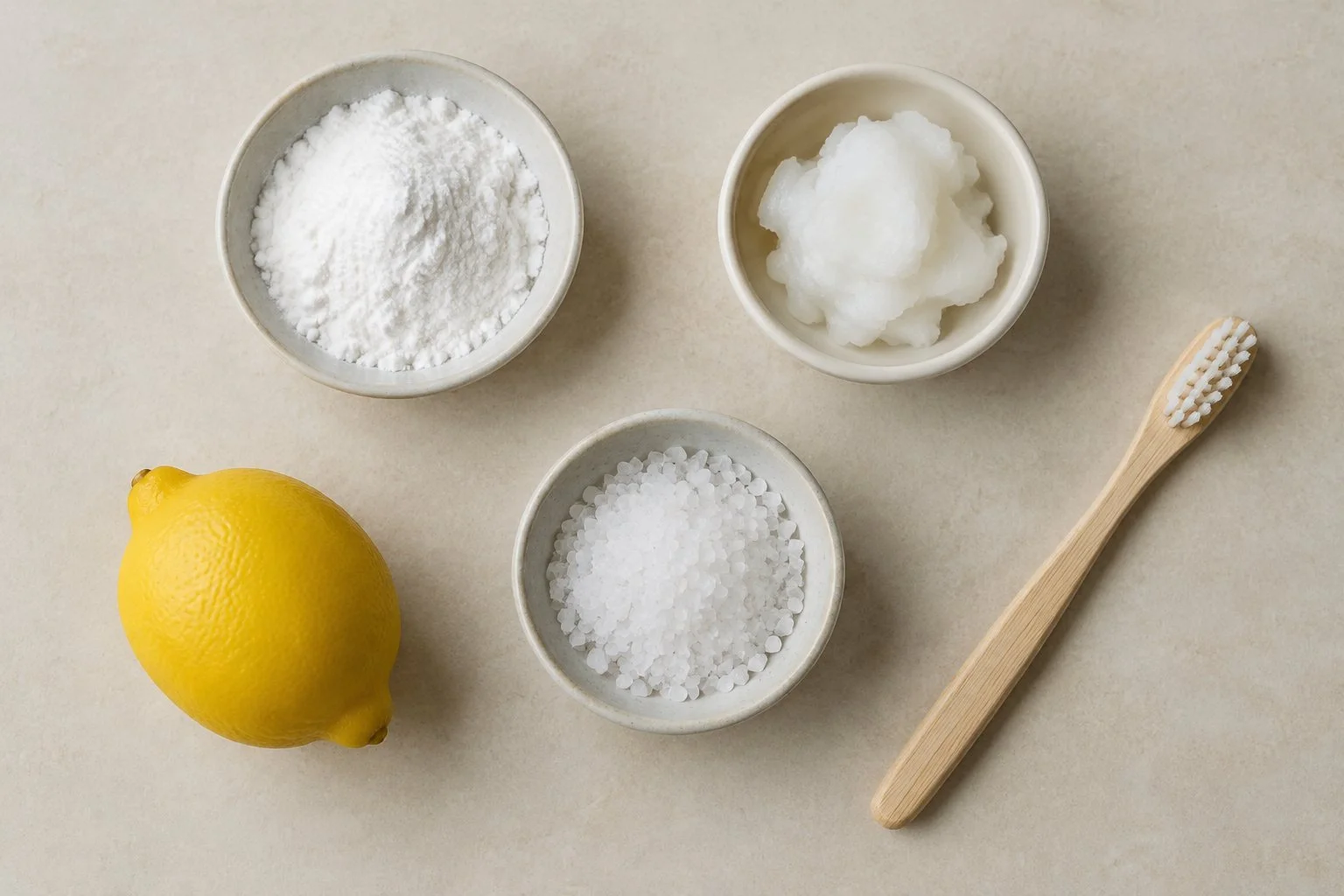
Homemade baking soda toothpaste may seem like a simple, low-cost option for cleaning teeth, but it has limits. Baking soda (sodium bicarbonate) can help remove some surface stains and neutralize acids. However, a homemade mixture does not undergo the same testing as commercial toothpaste, so its cleaning performance, stability, and suitability for regular use are not guaranteed.
Before trying a DIY baking soda toothpaste recipe, consider the following risks.
1. Lack of Fluoride for Cavity Prevention
One of the main concerns with homemade baking soda toothpaste is that it usually does not contain fluoride. Fluoride helps strengthen tooth enamel, supports remineralization, and reduces the risk of tooth decay.
Baking soda cannot replace these benefits. Even if a homemade mixture makes your teeth feel clean, that does not mean it provides adequate protection against cavities.
How to reduce the risk: Use a fluoride toothpaste for routine brushing. If you prefer baking soda, consider a commercially formulated toothpaste that contains both baking soda and fluoride.
2. Possible Tooth Wear From Abrasive Mixtures
Baking soda is used in commercial toothpaste because it can help remove surface stains. However, the safety of an abrasive mixture depends on its formulation and how it is used.
Homemade recipes do not have a standard, tested level of abrasiveness. Adding coarse salt or other gritty powders, or brushing with excessive pressure, may increase the risk of irritation and wear on exposed tooth surfaces.
How to reduce the risk: Avoid gritty homemade mixtures and aggressive scrubbing. Use a soft-bristled toothbrush and gentle brushing movements.
3. Gum Irritation and Tooth Sensitivity
Some DIY toothpaste recipes contain ingredients such as lemon juice, vinegar, concentrated essential oils, or coarse salt. These ingredients can irritate the gums or mouth, while acidic ingredients may contribute to enamel erosion.
People with gum recession, exposed tooth roots, existing enamel wear, or sensitive teeth may be more likely to experience discomfort.
How to reduce the risk: Avoid acidic ingredients and untested additives. Stop using a mixture if it causes burning, pain, or increased sensitivity, and seek dental advice if symptoms continue.
4. Enamel Erosion From Acidic Ingredients
Lemon juice and vinegar sometimes appear in homemade teeth-whitening recipes. However, both are acidic and can soften tooth enamel with repeated exposure.
Baking soda’s alkaline nature does not guarantee that combining it with an acid will create a safe whitening treatment. The final mixture, its acidity, and how often it is used all matter.
How to reduce the risk: Do not mix baking soda with lemon juice or vinegar to whiten teeth. Choose a tested whitening product intended for oral use.
5. Contamination During Storage
Homemade toothpaste does not have a validated shelf life. Adding water, dipping a wet toothbrush into a container, or repeatedly handling the mixture can introduce microorganisms.
A sealed container does not prove that a homemade paste will remain safe over time. Changes in smell, color, or texture are not reliable ways to detect every form of contamination.
How to reduce the risk: Avoid storing homemade mixtures for repeated use. Commercial toothpaste is generally the more reliable option for regular brushing because its formulation and packaging are developed for that purpose.
6. Unsafe Whitening Additives
Some online recipes recommend hydrogen peroxide, activated charcoal, essential oils, or other ingredients to improve whitening. However, using these substances incorrectly can cause irritation or other unwanted effects.
Hydrogen peroxide may irritate gums at unsuitable concentrations, and evidence supporting the benefits and long-term safety of activated charcoal toothpaste remains limited. Essential oils can also be harmful if used at inappropriate concentrations or swallowed.
How to reduce the risk: Do not add whitening chemicals or concentrated essential oils to homemade toothpaste without suitable dental guidance.
7. Risks for Children
Children may swallow toothpaste while brushing. Homemade mixtures can also lack the fluoride protection needed to help prevent cavities during childhood.
The amount of fluoride in a child’s toothpaste should be appropriate for their age and used according to dental guidance. Homemade baking soda mixtures are not a proven substitute.
How to reduce the risk: Use an age-appropriate fluoride toothpaste and supervise young children during brushing. Ask a dentist if you are unsure which product is suitable.
8. False Confidence About Whitening and Dental Health
A homemade baking soda mixture may remove some surface stains, but it cannot reliably remove deep discoloration, repair cavities, or rebuild lost enamel. Teeth that look cleaner are not necessarily protected against decay.
Relying on DIY toothpaste may also delay treatment for problems such as tooth pain, gum disease, or persistent sensitivity.
How to reduce the risk: Treat ongoing dental symptoms as a reason to seek professional care rather than trying stronger homemade mixtures.
Is Homemade Baking Soda Toothpaste Worth the Risk?
For occasional experimentation, a homemade mixture may seem appealing, but there is no standard DIY formula proven to provide the same benefits as tested fluoride toothpaste. The main concerns are the lack of established cavity protection, uncertainty about the mixture’s properties, and the potential for irritation from unsuitable ingredients.
For everyday oral hygiene, brush twice daily with fluoride toothpaste, clean between your teeth, and follow your dentist’s recommendations. If you want to remove stains, choose a tested whitening toothpaste or ask a dental professional about suitable whitening treatments.
The bottom line: Baking soda itself is used in some commercial toothpastes, but that does not make every homemade recipe safe or effective. A tested fluoride toothpaste is the better-supported choice for routine cavity prevention and daily dental care.
How to Use and Store Your Toothpaste
Using toothpaste correctly helps remove plaque, keep your teeth clean, and protect your gums. If you are considering homemade baking soda toothpaste, it is also important to know how to handle the mixture and why its storage needs extra care.
Unlike commercial toothpaste, a homemade baking soda and water paste has no established shelf life or tested formula for routine dental use. For everyday brushing, a commercially formulated fluoride toothpaste is the better-supported choice.
How to Use Toothpaste Correctly
Follow these steps for effective daily oral care.
- Choose the right toothpaste. Use a fluoride toothpaste suitable for your age and dental needs. If you prefer baking soda, look for a commercial formula that contains baking soda and fluoride.
- Use a soft-bristled toothbrush. Soft bristles help clean tooth surfaces while reducing unnecessary pressure on your gums.
- Brush gently. Hold your toothbrush at a slight angle toward the gumline and use small, gentle movements. Clean the front, back, and chewing surfaces of your teeth.
- Brush twice daily. Brush for about two minutes each time, following your dentist’s advice. Do not brush harder or more often to try to whiten teeth faster.
- Clean between your teeth. Use dental floss or another suitable interdental cleaner to remove plaque and food debris from areas your toothbrush cannot reach easily.
- Follow the product instructions. Use commercial toothpaste as directed on its label. If you experience irritation or increased tooth sensitivity, stop using the product and seek dental advice if symptoms continue.
How to Store Homemade Baking Soda Toothpaste
Homemade toothpaste requires care because its ingredients and storage conditions may allow contamination. Adding water can introduce microorganisms, and repeatedly dipping a toothbrush into a container can transfer moisture and bacteria.
If you have prepared a homemade mixture for experimentation, follow these precautions:
- Prepare only a small amount. Avoid making a large batch for use over several days or weeks.
- Use clean utensils. Mix the ingredients in a clean bowl with a clean spoon.
- Avoid repeated handling. Do not dip a used toothbrush into a shared container.
- Keep the mixture away from moisture. Water and poor handling can increase contamination risks.
- Do not assume it has a safe shelf life. There is no universal storage period proven safe for homemade baking soda toothpaste.
- Discard a mixture if its condition changes. Changes in smell, color, or texture are reasons to discard it, but their absence does not prove that the mixture is free from harmful microorganisms.
A sealed jar or refrigerator does not guarantee that homemade toothpaste will remain safe. For regular oral hygiene, commercial toothpaste offers a more reliable option because it is made with a defined formula and packaging intended for its use.
How Should Commercial Toothpaste Be Stored?
Commercial toothpaste is easier to store because its formulation and packaging are developed for normal household use.
Keep the cap closed, store the tube according to the label instructions, and avoid sharing a toothbrush or allowing the toothbrush bristles to touch the tube opening. Check the product’s expiration date and replace it when necessary.
Can You Store Baking Soda Toothpaste for a Week?
There is no reliable universal answer for homemade baking soda toothpaste. Its safety depends on the ingredients, moisture, preparation methods, and handling conditions. Without suitable testing, it is not possible to confirm that a homemade mixture will remain safe for seven days.
Preparing a fresh mixture does not solve every concern, either. A homemade paste still lacks the established cavity protection of fluoride toothpaste unless it is part of a properly formulated fluoride product.
The bottom line: Brush twice daily with fluoride toothpaste, use a soft-bristled toothbrush, and store commercial toothpaste according to its label. Avoid keeping homemade baking soda mixtures for repeated use because their safety and shelf life have not been established.
How Oil Pulling and Flossing Fit In
Oil pulling and flossing are two practices often discussed in natural oral care. Oil pulling involves swishing oil, usually coconut oil, around the mouth, while flossing removes food particles and plaque from between the teeth. Both are different from brushing with baking soda toothpaste, and they do not offer the same benefits.
For good oral hygiene, brushing with fluoride toothpaste and cleaning between your teeth should remain your main daily habits.
What Is Oil Pulling?
Oil pulling is a traditional practice in which a person swishes an edible oil, such as coconut oil, around the mouth and then spits it out. Some people use it because they believe it helps remove bacteria, freshen breath, or improve gum health.
However, scientific evidence supporting oil pulling for preventing cavities, gum disease, or other oral health problems remains limited. It should not replace brushing with fluoride toothpaste or other recommended dental care.
If you choose to try oil pulling, do not swallow the oil, and avoid the practice if you have difficulty swishing and spitting safely. Keep it away from young children.
Can Coconut Oil Improve Homemade Baking Soda Toothpaste?
Some DIY toothpaste recipes combine coconut oil with baking soda to create a thicker paste. Coconut oil can change the texture of the mixture, but adding it does not prove that the toothpaste prevents cavities or treats gum disease.
Coconut oil also does not provide fluoride. A homemade baking soda and coconut oil mixture should therefore not replace a tested fluoride toothpaste for daily brushing.
Why Is Flossing Important?
Flossing helps remove plaque and trapped food from the spaces between teeth, where a toothbrush may not reach effectively. Regular cleaning between teeth can support gum health and help reduce the buildup of plaque.
To floss correctly:
- Take a suitable length of dental floss.
- Gently guide it between two teeth without snapping it into the gums.
- Curve the floss around each tooth and move it gently along the tooth surface.
- Repeat between all teeth, using a clean section of floss as needed.
If traditional floss is difficult to use, an interdental brush or another suitable cleaner may be a useful alternative. Ask your dentist which option fits your teeth and gums.
Oil Pulling vs. Flossing vs. Baking Soda Toothpaste
| Practice | Main purpose | Can it replace fluoride toothpaste? |
| Baking soda toothpaste | Helps clean teeth and remove some surface stains | No, unless it is a formulated product that provides fluoride protection |
| Oil pulling | Swishing oil around the mouth | No |
| Flossing | Removes plaque and debris between teeth | No |
| Fluoride toothpaste | Cleans teeth and helps prevent cavities | It is a key part of routine oral care |
A Simple Daily Oral Care Routine
For most people, a practical routine includes brushing twice daily with fluoride toothpaste, cleaning between teeth once a day, and attending regular dental checkups. Oil pulling is optional and has not been shown to provide the same proven benefits as these established habits.
The bottom line: Flossing helps clean between teeth, while oil pulling has limited evidence for additional oral health benefits. Neither replaces fluoride toothpaste. If you use homemade baking soda toothpaste, do not rely on oil pulling or flossing to make up for its lack of fluoride protection.
Professional Care Is Essential
Homemade baking soda toothpaste may help remove some surface stains, but it cannot replace professional dental care. Regular dental checkups help identify problems such as tooth decay, gum disease, enamel wear, and persistent tooth discoloration before they become more serious.
A dentist can also help you decide whether baking soda toothpaste is suitable for your teeth and gums, especially if you have sensitive teeth or existing dental problems.
When Should You Visit a Dentist?
Consider booking a dental appointment if you experience any of the following:
- Persistent tooth sensitivity: Pain or discomfort when eating hot, cold, or sweet foods may indicate enamel wear, exposed tooth roots, or another dental problem.
- Bleeding or swollen gums: These symptoms may be linked to gum inflammation and should not be ignored.
- Toothache or pain when chewing: Tooth decay, a cracked tooth, or infection may require treatment.
- Yellow or brown stains that do not improve: A dentist can identify whether the discoloration comes from surface stains or changes inside the tooth.
- Visible holes or damaged teeth: Baking soda cannot repair a cavity or restore damaged tooth structure.
Seek urgent dental care for severe tooth pain, facial swelling, or signs of a spreading infection. Difficulty breathing or swallowing with facial or neck swelling requires emergency medical care.
Can a Dentist Help You Choose the Right Toothpaste?
Yes. Dentists can recommend toothpaste based on your risk of cavities, gum health, tooth sensitivity, and whitening goals.
For everyday cavity prevention, the American Dental Association (ADA) recommends fluoride toothpaste. Products with the ADA Seal of Acceptance, where available, have met relevant standards for safety and effectiveness.
If you prefer baking soda for surface stain removal, your dentist can help you choose a suitable commercial toothpaste containing baking soda and fluoride rather than relying on an untested homemade mixture.
Why Are Regular Dental Checkups Important?
Brushing and flossing help control plaque at home, but they cannot treat every dental problem. A dentist can check for early tooth decay, assess gum health, identify enamel wear, and remove hardened tartar when needed.
The right schedule for dental visits depends on your oral health and personal risk factors. Follow the interval recommended by your dental professional.
Can Homemade Baking Soda Toothpaste Replace Dental Treatment?
No. Baking soda may help remove some surface stains, but it cannot treat cavities, reverse advanced gum disease, repair cracks, or replace professional whitening treatment when needed.
Avoid using homemade mixtures to delay treatment for pain, bleeding gums, or persistent sensitivity. Early dental care can help prevent small problems from becoming more serious.
The bottom line: Homemade baking soda toothpaste is not a substitute for professional dental care or fluoride toothpaste. Brush twice daily, clean between your teeth, and see a dentist regularly to protect your teeth and gums. If you have dental symptoms or want to whiten your teeth safely, seek advice before trying DIY treatments.
Conclusion
Baking soda toothpaste may help remove some surface stains and make teeth look cleaner, but it is not a complete solution for whitening or cavity prevention. A homemade mixture of baking soda and water lacks the established protection of fluoride toothpaste, and adding ingredients such as coconut oil, salt, or essential oils does not guarantee better results. The most sensible approach is to brush twice daily with a tested fluoride toothpaste, use a soft-bristled toothbrush, and clean between your teeth every day. If you want brighter teeth, choose a tested whitening product or ask a dentist which treatment suits your needs.
A useful lesson from evidence-based dental care is that a familiar ingredient does not automatically make a homemade product safe or effective. Rather than relying on untested recipes or promises of instant whitening, focus on habits supported by dental guidance and seek professional advice if you have sensitive teeth, gum problems, or stubborn discoloration. Your goal should be a clean, healthy smile, not just a whiter appearance.
Baking Soda Toothpaste: Frequently Asked Questions
Is baking soda good for your teeth?
Baking soda can help remove some surface stains and neutralize acids in the mouth. However, it does not replace fluoride, which helps strengthen tooth enamel and prevent cavities. For daily brushing, choose a tested fluoride toothpaste.
Can you brush your teeth with baking soda every day?
The safety of daily use depends on the product and how it is used. A homemade baking soda mixture has no standard formula proven to be safe and effective for daily brushing. A commercially formulated fluoride toothpaste is the better-supported choice for routine oral care.
Is baking soda bad for your enamel?
Baking soda is not automatically harmful to enamel. Its effects depend on the formula and how it is used. However, aggressive brushing, gritty mixtures, and acidic ingredients such as lemon juice can increase the risk of tooth wear or enamel erosion.
Does baking soda whiten teeth?
Baking soda can help remove some surface stains caused by coffee, tea, and certain foods. It does not bleach teeth like peroxide-based whitening products or reliably correct deeper discoloration.
How do you make baking soda toothpaste?
A basic homemade mixture uses plain baking soda and clean water stirred into a paste. However, this mixture has not been tested as a complete toothpaste and does not provide the established cavity protection of fluoride toothpaste. For daily use, choose a tested fluoride product.
Can you make baking soda toothpaste without coconut oil?
Yes. Coconut oil is optional in many DIY recipes. Baking soda and water can form a simple paste without it. However, removing coconut oil does not make the mixture equivalent to commercial toothpaste or provide fluoride protection.
Does homemade toothpaste prevent cavities?
A homemade baking soda and water mixture does not provide the established cavity protection of fluoride toothpaste. Baking soda may support cleaning, but fluoride helps strengthen enamel and prevent tooth decay. Use fluoride toothpaste for routine cavity prevention.
Is baking soda toothpaste safe for kids?
Do not replace a child’s recommended fluoride toothpaste with a homemade baking soda mixture without advice from a dental professional. Children may swallow toothpaste, and their fluoride needs depend on their age and dental health. Use an age-appropriate fluoride toothpaste and supervise young children while brushing.
How long does homemade toothpaste last?
There is no universal shelf life proven safe for homemade baking soda toothpaste. Water, handling, and storage conditions can affect contamination risk. Avoid making large batches or keeping homemade mixtures for repeated use.
Why does my homemade toothpaste get hard or runny?
A homemade mixture may become hard as water evaporates or runny if too much water or oil is added. Changes in temperature and storage can also affect its texture. These changes do not tell you whether the mixture is safe to use, so avoid relying on stored homemade paste for routine brushing.
Does baking soda remove tartar?
Baking soda may help remove some surface stains and debris, but it cannot reliably remove hardened tartar. Tartar is plaque that has mineralized and usually requires professional dental cleaning.
How do I make baking soda toothpaste less salty?
Baking soda naturally has a slightly salty taste. Adding more flavoring or essential oils is not a reliable way to make a homemade mixture safer or more effective, and concentrated oils can irritate the mouth. A commercially formulated toothpaste with a flavor you prefer is a simpler option.
Final takeaway: Baking soda can support surface stain removal, but homemade baking soda toothpaste is not a complete replacement for fluoride toothpaste. For daily oral care, brush twice a day with a tested fluoride toothpaste, clean between your teeth, and consult a dentist if you have sensitivity, gum problems, or persistent discoloration.