
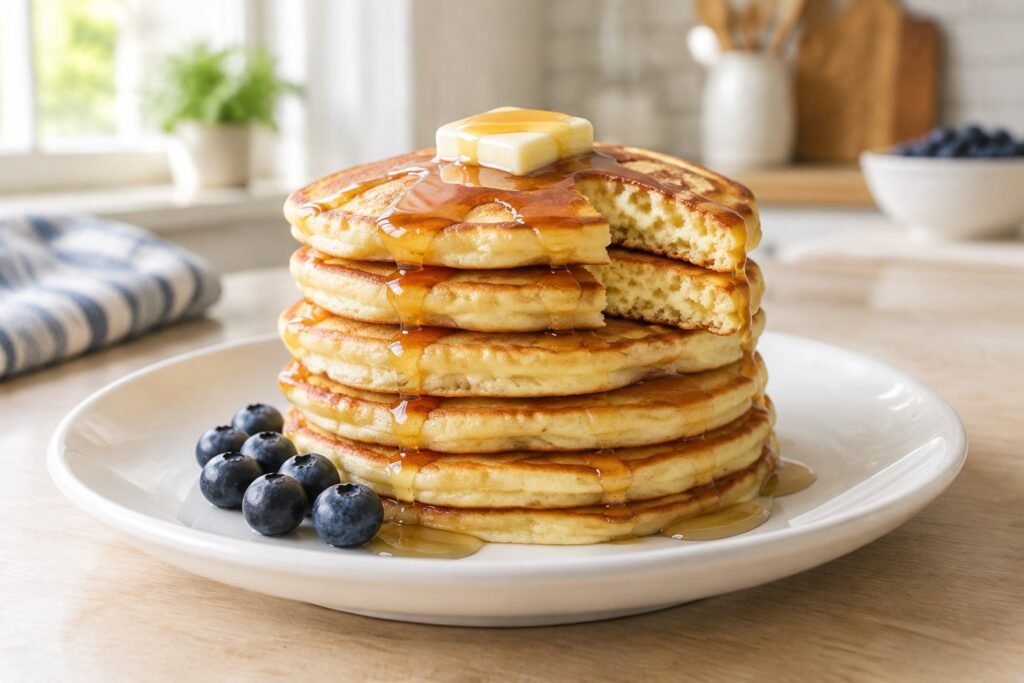
Have you ever started making pancakes for breakfast, only to realize you have run out of baking powder? It can be frustrating when you are craving a warm stack of homemade pancakes and do not want to make another trip to the grocery store. You might worry that your pancakes will turn out flat, dense, or rubbery without it. The good news is that you can still make delicious pancakes with everyday ingredients, as long as you use the right method and follow a few simple cooking tips.
This pancake recipe without baking powder shows you how to make soft, golden pancakes using simple ingredients and easy steps. You will learn how baking soda and lemon juice can help the batter rise, why gentle mixing matters, and how whipped egg whites can create a lighter texture without baking powder or baking soda. Whether you are preparing a quick weekday breakfast or a relaxed weekend brunch, this guide will help you choose a method that suits your ingredients and gives you a better chance of getting tasty homemade pancakes.
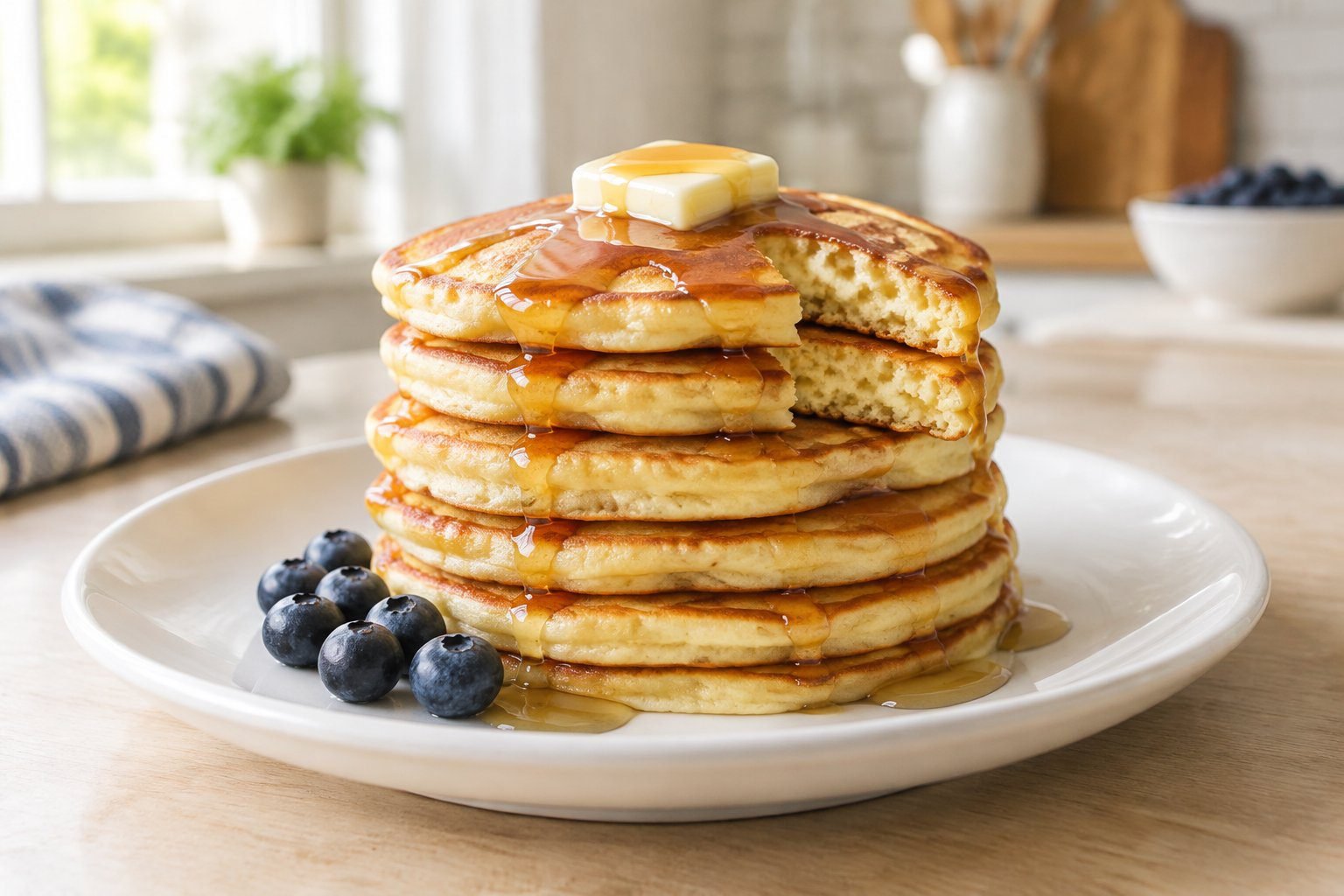
Making pancakes without baking powder is easy, even if you are new to cooking. You can still make soft, golden pancakes with simple ingredients such as all-purpose flour, milk, eggs, sugar, and a little butter or oil. The key is choosing the right method to help your pancakes rise and develop a light texture.
Baking powder usually helps pancake batter rise by releasing carbon dioxide gas, which creates small bubbles inside the pancakes. Without it, pancakes may turn out flatter or denser, but that does not mean they have to be tough or dry.
There are two useful ways to make pancakes without baking powder. You can use baking soda with an acidic ingredient, such as lemon juice or vinegar, to create gas that helps the batter rise. Or, you can separate the eggs, whip the egg whites until they form stiff peaks, and gently fold them into the batter. This traps air in the mixture and helps produce lighter pancakes without baking powder or baking soda.
For beginners, the best method depends on the ingredients you have at home and the texture you want. If you have baking soda and an acidic ingredient, you can make a simple, traditional-style pancake. If you have eggs and a few extra minutes, whipped egg whites are a useful option for making light and fluffy pancakes.
The good news is that you do not need special equipment or expensive ingredients. With the right measurements, gentle mixing, and a properly heated skillet, you can make homemade pancakes that taste great for breakfast or brunch.
Can You Make Pancakes Without Baking Powder?
Yes, you can make pancakes without baking powder. You only need a suitable recipe and the right technique to help the batter develop a soft texture. Baking powder is a common leavening agent that releases carbon dioxide gas, creating bubbles that help pancakes rise as they cook. Without it, pancakes may be flatter, but they can still taste delicious.
There are two simple ways to make pancakes without baking powder:
- Use baking soda and an acidic ingredient: Baking soda reacts with ingredients such as lemon juice or vinegar to release carbon dioxide. This gas helps the pancake batter rise. The amounts must be balanced to avoid a bitter or soapy taste.
- Whip the egg whites: Separate the eggs, beat the whites until they form stiff peaks, and gently fold them into the batter. The trapped air helps create lighter, fluffier pancakes without baking powder or baking soda.
If you have neither baking powder nor baking soda, the whipped egg white method is a useful choice, provided your recipe includes eggs. If you do not have eggs either, you can still make pancakes, but they will usually be flatter and denser unless you use another suitable method.
For the best results, measure your ingredients carefully, avoid overmixing the batter, and cook the pancakes in a lightly greased skillet over medium heat. Flip each pancake when bubbles appear on the surface and the edges begin to look set.
The bottom line: You do not need baking powder to enjoy homemade pancakes. Choose a method that matches your available ingredients, and you can make a tasty breakfast without an extra trip to the grocery store.
Why You’ll Love This Recipe
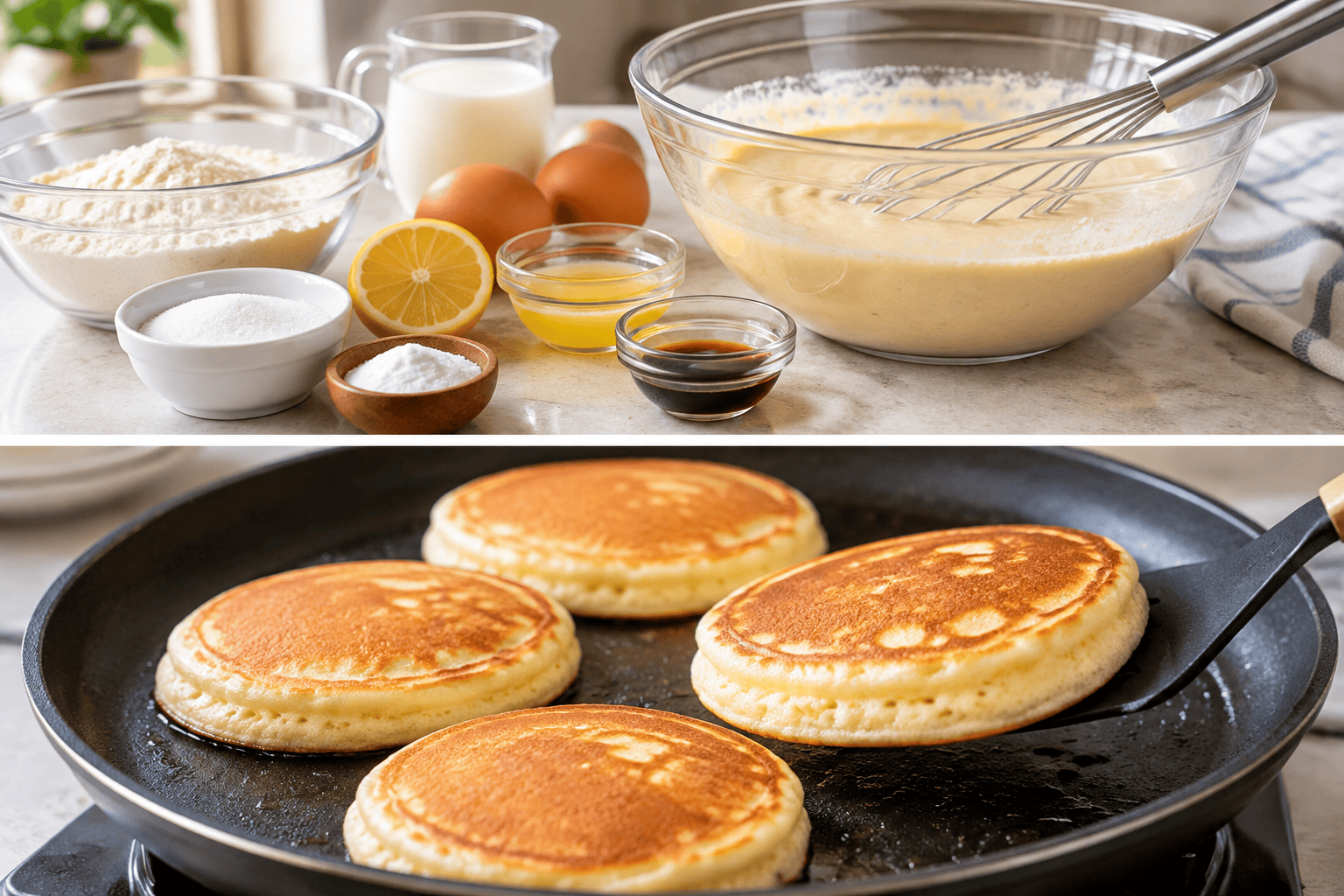
- No baking powder needed: Make homemade pancakes with a simple method that works even when your baking powder container is empty.
- Simple pantry ingredients: You can use everyday ingredients such as all-purpose flour, eggs, milk, sugar, and butter or oil.
- Soft and fluffy results: The right mixing technique helps create tender pancakes with a light texture, even without baking powder.
- Easy for beginners: The steps are simple to follow, and you do not need special baking equipment or advanced cooking skills.
- Easy to customize: Add vanilla extract, cinnamon, chocolate chips, or fresh blueberries to suit your taste.
- Perfect for breakfast or brunch: Serve these pancakes warm with maple syrup, fresh fruit, honey, or a little butter.
- Flexible cooking options: Depending on your ingredients, you can use baking soda with an acidic ingredient or whipped egg whites to help the pancakes rise.
This recipe is a useful choice when you want homemade pancakes without making an extra trip to the grocery store. With accurate measurements and the right cooking temperature, you can prepare a satisfying breakfast using ingredients you may already have in your kitchen.
Ingredients
This pancake recipe without baking powder uses simple kitchen ingredients to make soft, tender pancakes with golden edges. The baking soda reacts with lemon juice to help the batter rise, while the egg adds structure and the milk keeps the pancakes moist.
Ingredients for 6 to 8 pancakes
- 1 cup (125 g) all-purpose flour: Forms the base of the pancake batter. Measure it carefully to avoid dense pancakes.
- 1 tablespoon granulated sugar: Adds a light sweetness and helps the pancakes brown.
- ¼ teaspoon baking soda: Works with the lemon juice to release carbon dioxide, helping the pancakes rise.
- ¼ teaspoon salt: Balances the sweetness and brings out the flavor.
- 1 large egg: Holds the ingredients together and gives the pancakes structure.
- ¾ cup (180 ml) milk: Adds moisture and helps create a smooth batter.
- 1 tablespoon lemon juice: Reacts with the baking soda to help produce a lighter texture.
- 2 tablespoons (28 g) unsalted butter, melted: Adds flavor and helps keep the pancakes tender.
- 1 teaspoon vanilla extract: Adds a warm, sweet flavor.
Ingredient Notes
- No lemon juice? You can use white vinegar as an alternative because it also reacts with baking soda.
- Using salted butter? Reduce or leave out the added salt according to your taste.
- Want dairy-free pancakes? Unsweetened almond milk or oat milk can work, although the flavor and texture may vary.
- No baking soda either? This ingredient list will need a different method. Whipped egg whites can help pancakes rise without baking powder or baking soda, but the recipe and mixing steps must be adjusted.
For the best results, bring the egg and milk close to room temperature before mixing. This helps the ingredients combine more evenly and makes the batter easier to work with.
How to Make Pancakes Without Baking Powder
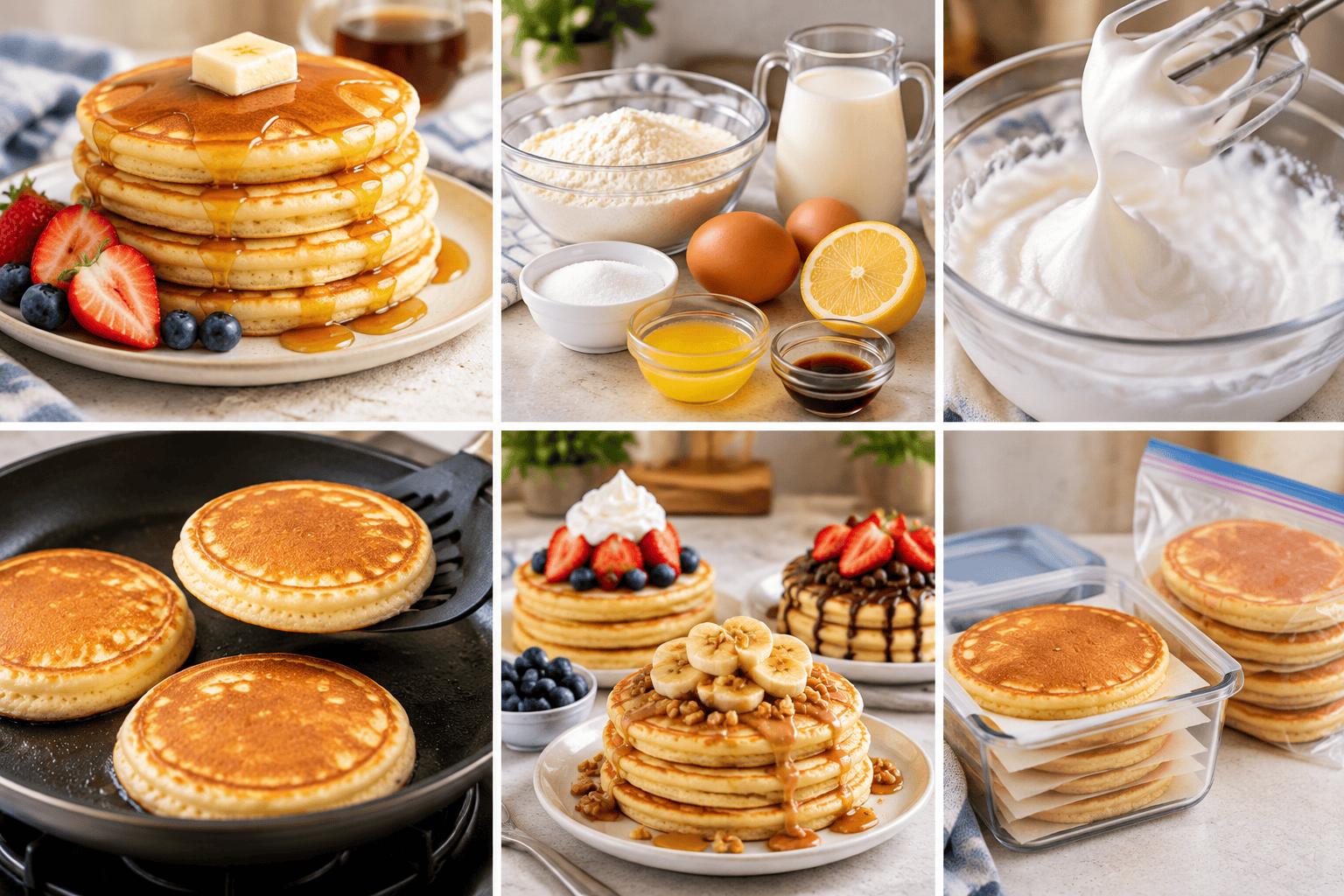
Making pancakes without baking powder takes only a few simple steps. In this recipe, baking soda and lemon juice help the batter rise, while the egg, milk, and melted butter create a soft, tender texture. Follow these instructions for golden homemade pancakes with a light, fluffy center.
Step 1: Mix the Dry Ingredients
In a large mixing bowl, combine the all-purpose flour, granulated sugar, baking soda, and salt. Stir with a whisk until the ingredients are evenly distributed.
Mixing the dry ingredients first helps prevent small pockets of baking soda from forming in the finished pancakes.
Step 2: Combine the Wet Ingredients
In a separate bowl, whisk the egg, milk, lemon juice, melted butter, and vanilla extract until combined.
Let the melted butter cool slightly before adding it. Very hot butter can cook parts of the egg, which may affect the batter’s texture.
Step 3: Make the Pancake Batter
Pour the wet ingredients into the bowl of dry ingredients. Stir gently with a whisk or spatula until the flour is just moistened.
A few small lumps are fine. Avoid overmixing because too much stirring develops gluten in the flour, which can make pancakes chewy instead of tender.
The batter should be thick enough to coat a spoon but loose enough to spread slowly in the pan. If it seems unusually thick, add a small splash of milk.
Step 4: Heat and Grease the Skillet
Place a nonstick skillet or griddle over medium heat. Lightly grease it with butter or cooking oil.
Allow the pan to heat before adding the batter. To check the temperature, drop a small amount of batter onto the surface. It should begin to sizzle gently without turning dark too quickly.
If the skillet is too hot, the outside may brown before the center cooks. If it is too cool, the pancakes may take longer to cook and become pale.
Step 5: Cook the Pancakes
Pour about ¼ cup of batter onto the heated skillet for each pancake. Leave enough space between pancakes so you can flip them easily.
Cook for about 2 to 3 minutes, or until bubbles appear on the surface and the edges begin to look set. Check the underside for a golden brown color before flipping.
Use a thin spatula to turn each pancake gently. Cook the second side for another 1 to 2 minutes, until golden and cooked through. Adjust the heat if the pancakes brown too quickly.
Step 6: Check That the Pancakes Are Cooked
Transfer the first pancake to a plate and check the center. It should be soft and cooked through, without wet or raw batter.
If the outside is brown but the middle is still uncooked, lower the heat slightly and allow the next pancakes more time to cook.
Avoid pressing down on the pancakes with your spatula. This pushes out air and moisture, making them less tender.
Step 7: Serve Warm
Place the cooked pancakes on a plate and serve them while warm. Add butter, maple syrup, sliced bananas, fresh berries, or your favorite pancake toppings.
If you are cooking several batches, keep the finished pancakes in a warm oven set to about 200°F (95°C) while you finish cooking. Arrange them in a single layer when possible to help prevent them from becoming soggy.
Recipe tip: Baking soda begins reacting with lemon juice as soon as the wet and dry ingredients meet. For the best results, cook the batter soon after mixing rather than leaving it to stand for a long time.
Fluffy Pancake Success Tips With No Baking Powder
You can make soft, fluffy pancakes without baking powder by using the right ingredients and cooking methods. Small details, such as how you mix the batter and control the skillet temperature, can make a real difference in the final texture.
– Measure the flour correctly. Too much all-purpose flour makes pancake batter thick and heavy. Use a measuring cup carefully, or weigh the flour for more consistent results.
– Use fresh baking soda and an acidic ingredient. If your recipe includes baking soda, combine it with lemon juice or vinegar. The reaction releases carbon dioxide, which helps the pancakes rise. Too much baking soda can leave a bitter or soapy taste, so follow the recipe measurements.
– Avoid overmixing the batter. Stir the wet and dry ingredients together only until the flour is moistened. A few small lumps are fine. Overmixing develops gluten, which can make pancakes chewy rather than tender.
– Do not make the batter too thick. The batter should slowly spread when poured onto the skillet. If it is too thick, add a little milk at a time until it reaches the right consistency.
– Let the skillet reach medium heat. A pan that is too hot can brown the outside before the center cooks. A pan that is too cool may produce pale, heavy pancakes. Adjust the heat between batches if needed.
– Wait for bubbles before flipping. Turn the pancake when bubbles appear on top, the edges begin to look set, and the underside is golden brown. Flipping too early can cause the pancake to break or cook unevenly.
– Try whipped egg whites for extra lift. If you want pancakes without baking powder or baking soda, separate the eggs and beat the whites until stiff peaks form. Gently fold them into the batter to trap air. This method takes more time but can produce a lighter texture.
– Cook the batter soon after mixing. When baking soda reacts with lemon juice or vinegar, carbon dioxide begins to form. Cooking the batter promptly helps preserve the gas that supports a lighter pancake.
– Avoid pressing down on the pancakes. Pressing them with a spatula pushes out air and moisture. Let them cook naturally on both sides for a softer center.
– Serve the pancakes fresh. Pancakes are usually at their softest shortly after cooking. If you need to prepare several batches, keep them warm in a low oven rather than stacking them while they are still steaming.
The biggest tip: Without baking powder, your mixing method matters. Baking soda with an acidic ingredient creates gas, while whipped egg whites add trapped air. Choose the method that suits your ingredients, and avoid overmixing or using excessive heat for better homemade pancakes.
More Baking Powder Substitutes for Pancakes
If you have run out of baking powder, you still have several ways to make homemade pancakes. The best substitute depends on the ingredients in your kitchen and whether you want traditional pancakes or a lighter, fluffier texture.
1. Baking Soda and Lemon Juice
Baking soda combined with lemon juice is a useful substitute for baking powder in pancake recipes. When the alkaline baking soda reacts with the acid in lemon juice, it releases carbon dioxide gas. These bubbles help the pancake batter rise as it cooks.
For a recipe that uses ¼ teaspoon of baking soda, follow the recipe’s measured amount of lemon juice rather than adding more baking soda to make the pancakes taller. Too much baking soda can give pancakes an unpleasant, soapy taste.
Best for: Traditional homemade pancakes with a soft center and golden edges.
2. Baking Soda and White Vinegar
White vinegar can replace lemon juice because it also provides the acid needed to react with baking soda. When used in the right proportions, this combination helps produce gas that makes pancake batter lighter.
Mix the vinegar with the wet ingredients before combining them with the dry ingredients. Cook the batter soon after mixing so you can make use of the gas released by the reaction.
Best for: Pancakes when you have baking soda but no lemon juice. The small amount of vinegar used in a balanced recipe should not leave a strong vinegar taste.
3. Whipped Egg Whites
If you have neither baking powder nor baking soda, whipped egg whites offer another option. This method adds air to the batter instead of relying on a chemical leavening agent.
Separate the egg yolks from the whites. Mix the yolks with the other wet ingredients, then beat the whites in a clean bowl until stiff peaks form. Gently fold the whipped whites into the finished batter without stirring out too much air.
Best for: Light, airy pancakes when you have eggs and a little extra preparation time.
4. Self-Rising Flour
Self-rising flour is regular flour that already contains a raising agent and salt. It can save time because you do not need to measure those ingredients separately.
However, self-rising flour is not a true baking powder-free option because it usually contains baking powder or another chemical leavening agent. If your goal is simply to use up ingredients without opening a separate container of baking powder, it can still be convenient.
Best for: Quick pancakes when you have self-rising flour available.
Which Baking Powder Substitute Should You Choose?
| Substitute | Contains a chemical raising agent? | Expected result |
| Baking soda and lemon juice | Yes, baking soda | Soft pancakes with some lift |
| Baking soda and vinegar | Yes, baking soda | Soft pancakes with some lift |
| Whipped egg whites | No | Lighter, airier pancakes |
| Self-rising flour | Usually yes | Similar to regular raised pancakes |
My recommendation: If you want pancakes without baking powder but still have baking soda, use a tested recipe that balances baking soda with lemon juice or vinegar. If you want to avoid both baking powder and baking soda, choose a recipe that uses whipped egg whites. Plain flour, milk, and eggs alone can make pancakes, but without a suitable technique, they will generally be flatter and denser.
How to Make Soufflé Pancakes
Soufflé pancakes are thick, airy pancakes made by folding whipped egg whites into a pancake batter. Unlike traditional pancakes, this method uses air trapped in the egg whites to create lift, so you can make them without baking powder or baking soda.
The key is to beat the egg whites properly, fold them gently into the batter, and cook the pancakes over low heat so the centers have enough time to cook.
Ingredients
For about 4 small soufflé pancakes, you will need:
- 2 large eggs, separated
- 3 tablespoons (24 g) all-purpose flour
- 2 tablespoons (30 ml) milk
- 1 tablespoon granulated sugar
- ¼ teaspoon vanilla extract
- A little butter or neutral cooking oil for the pan
Step 1: Separate the Eggs
Separate the egg yolks from the egg whites, placing them in two clean bowls. Make sure no yolk gets into the egg whites because even a small amount of fat can make them harder to whip.
Use room-temperature eggs if possible. They often whip more easily and can help you create a good volume of foam.
Step 2: Prepare the Egg Yolk Batter
Whisk the egg yolks with the milk and vanilla extract until smooth. Add the all-purpose flour and mix until no dry flour remains.
The batter should be thick but smooth. Avoid adding too much milk, as a thin batter can make it harder for the pancakes to hold their shape.
Step 3: Whip the Egg Whites
Using a clean, dry bowl and whisk or electric mixer, beat the egg whites until they become foamy. Gradually add the sugar while continuing to beat.
Keep mixing until stiff peaks form. This means the egg whites hold their shape when you lift the whisk, with only a slight bend at the tip.
The whipped egg whites contain tiny air bubbles that help the soufflé pancakes rise during cooking. If the foam is too soft, the pancakes may spread and become flat.
Step 4: Fold the Egg Whites into the Batter
Add about one-third of the whipped egg whites to the egg yolk batter and stir gently to loosen it. Then add the remaining egg whites in two portions.
Use a spatula to fold the mixture from the bottom of the bowl over the top. Turn the bowl as you work, stopping when the ingredients are combined.
Do not stir vigorously. The goal is to keep as much trapped air in the batter as possible.
Step 5: Cook the Soufflé Pancakes
Lightly grease a nonstick skillet and heat it over low heat. Spoon the batter into tall, round portions, leaving space between each pancake.
Cover the skillet with a lid to help the pancakes cook evenly. Cook slowly for about 4 to 6 minutes, checking the undersides and adjusting the heat as needed.
When the bottoms are lightly golden and the sides begin to hold their shape, carefully flip each pancake with a thin spatula. Cover the pan again and cook for another 3 to 5 minutes, or until the centers are fully cooked.
Cooking times vary with pancake size and pan temperature. Keep the heat low to prevent the outside from browning before the middle is done.
Step 6: Serve Immediately
Transfer the soufflé pancakes to a plate and serve them while warm. Add fresh berries, maple syrup, powdered sugar, or a small amount of butter.
Soufflé pancakes are naturally delicate. They may lose some height as they cool because the air inside the batter contracts. This is normal and does not mean the recipe has failed.
Tips for success: Keep the egg whites free of yolk, whip them to stiff peaks, fold gently, and cook over low heat. These steps help create light, fluffy pancakes without baking powder or baking soda.
Substitutions and Variations
One of the best things about homemade pancakes is how easy they are to adjust. If you are missing an ingredient or want to change the flavor, a few simple swaps can help you make pancakes without baking powder that suit your needs.
Flour Substitutions
- Whole wheat flour: Replace up to half of the all-purpose flour with whole wheat flour for a nuttier flavor. The pancakes may be slightly denser and need a little extra milk.
- Self-rising flour: You can use self-rising flour instead of all-purpose flour, but it usually contains baking powder and salt. This option is useful if you have no separate baking powder, but it does not meet a strict no-baking-powder requirement.
- Gluten-free flour: Use a gluten-free all-purpose flour blend intended for baking. Results vary by brand, so follow the package guidance and adjust the milk if the batter is too thick.
Milk Substitutions
- Almond milk: Replace regular milk with unsweetened almond milk in the same amount. It adds a mild nutty flavor.
- Oat milk: Use oat milk for a slightly creamy texture. Choose an unsweetened version if you want to control the sweetness.
- Soy milk: Unsweetened soy milk is another suitable option for dairy-free pancakes.
Plant-based milks can change the flavor and browning slightly, so check the pancakes as they cook.
Egg Substitutions
Eggs help bind pancake ingredients and provide structure. They also contribute to browning and tenderness.
- For regular pancakes: A commercial egg replacer can work if its package instructions support pancake recipes. The texture may differ from a recipe made with eggs.
- For fluffy soufflé pancakes: Do not replace the egg whites with a simple liquid substitute if you want the same airy texture. Whipped egg whites provide the foam that helps these pancakes rise.
If you need egg-free pancakes, use a recipe tested specifically without eggs rather than removing them from the soufflé pancake recipe.
Butter and Oil Substitutions
- Neutral cooking oil: Replace melted butter with the same amount of canola or vegetable oil. This keeps the pancakes moist, although the buttery flavor will be reduced.
- Melted coconut oil: Use the same amount for a mild coconut flavor. Let it cool slightly before mixing.
- Dairy-free butter: A plant-based butter alternative can work in a similar amount. Check whether it is salted and adjust the recipe’s salt if needed.
Sweetener and Flavor Variations
You can change the flavor of pancake batter without changing the main cooking method.
- Vanilla pancakes: Add a little vanilla extract for a warm, sweet aroma.
- Cinnamon pancakes: Add a small pinch of ground cinnamon to the dry ingredients.
- Chocolate chip pancakes: Fold a small handful of chocolate chips into the finished batter.
- Blueberry pancakes: Add fresh or frozen blueberries just before cooking. Frozen berries may release extra moisture, so avoid adding too many.
- Banana pancakes: Mash half a ripe banana into the wet ingredients. The batter will be sweeter and may need a little extra flour if it becomes too thin.
Can You Make Pancakes Without Baking Powder or Baking Soda?
Yes. For an airy texture, use the whipped egg white method described in the soufflé pancake section. Beat the egg whites until stiff peaks form, then fold them gently into the batter.
If you prefer a simpler pancake recipe, you can also make pancakes with flour, milk, and eggs without either raising agent. However, these pancakes will generally be flatter and denser.
My recommendation: Start with the basic recipe and change one ingredient at a time. This makes it easier to see how each substitution affects the batter, flavor, and final texture.
My Top Tips for the Best Pancakes Ever
Making delicious pancakes without baking powder comes down to a few simple details. Follow these tips to get pancakes that are tender inside, golden outside, and full of flavor.
– Measure your ingredients carefully. Too much all-purpose flour can make the batter heavy, while too much milk can make it runny. Use standard measuring cups and spoons, or weigh your ingredients for more consistent results.
– Avoid overmixing the batter. Stir the wet and dry ingredients together until just combined. A few small lumps are fine. Overmixing develops gluten in the flour, which can make your pancakes chewy instead of soft.
– Use the right substitute for your recipe. If you use baking soda, pair it with an acidic ingredient such as lemon juice or vinegar. If you want pancakes without baking powder or baking soda, whipped egg whites can add air and help create a lighter texture.
– Check your baking soda before using it. Old baking soda may not react as well, which can leave pancakes flatter than expected. Fresh ingredients help give you more reliable results.
– Let the skillet heat properly. Medium heat works well for many regular pancake recipes. For soufflé pancakes made with whipped egg whites, use low heat so the centers cook before the outsides become too dark.
– Grease the pan lightly. A thin coating of butter or neutral cooking oil helps prevent sticking. Too much fat can cause uneven browning, so wipe away any excess.
– Wait for the right moment to flip. Look for bubbles on the surface, edges that begin to look set, and a golden underside. Flip gently with a thin spatula rather than turning the pancake too early.
– Cook in small batches. Leave enough space between pancakes so they cook evenly and are easy to turn. Avoid overcrowding the skillet, as this can make temperature control harder.
– Keep finished pancakes warm. Place cooked pancakes in a single layer in an oven set to about 200°F (95°C) while you finish the remaining batter. This helps keep breakfast warm without steaming the pancakes in a covered stack.
– Add toppings just before serving. Maple syrup, fresh berries, sliced bananas, yogurt, or a little butter can improve the flavor without changing the pancake batter.
My best tip: Focus on the batter and the heat before adding extra ingredients. Accurate measurements, gentle mixing, and steady cooking temperatures will do more for your pancakes than adding extra flour, sugar, or baking soda.
How to Store Leftover Pancakes
If you have leftover pancakes, you can store them in the refrigerator or freezer and enjoy them later. Proper storage helps keep homemade pancakes soft, fresh, and ready for a quick breakfast.
How to Store Pancakes in the Refrigerator
- Let them cool: Place the cooked pancakes on a plate or wire rack and let them cool briefly. Avoid leaving them at room temperature for more than two hours.
- Separate the pancakes: Place a small piece of parchment paper between each pancake to stop them from sticking together.
- Use an airtight container: Transfer the pancakes to a clean, airtight container or a sealed food storage bag.
- Refrigerate: Store them in the refrigerator at 40°F (4°C) or below and eat them within 3 to 4 days.
How to Freeze Pancakes
Freezing is a good option if you have made a large batch of pancakes without baking powder.
- Allow the pancakes to cool completely.
- Arrange them in a single layer on a baking sheet and freeze until firm, usually about 1 to 2 hours.
- Transfer the frozen pancakes to a freezer-safe bag or airtight container.
- Label the container with the date and store at 0°F (-18°C) or below.
For the best quality, use frozen pancakes within 2 to 3 months. They may remain safe for longer if kept continuously frozen, but their taste and texture can decline.
How to Reheat Leftover Pancakes
You can reheat refrigerated or frozen pancakes using several methods.
- Microwave: Place one or two pancakes on a microwave-safe plate and cover with a slightly damp paper towel. Heat in short intervals until warm throughout.
- Toaster: Toast refrigerated or thawed pancakes briefly for lightly crisp edges. Make sure the pancakes fit safely in your toaster.
- Oven: Arrange several pancakes on a baking sheet, cover loosely with foil, and heat at 325°F (165°C) until warm.
- Skillet: Warm the pancakes in a lightly greased skillet over low to medium-low heat, flipping once.
Frozen pancakes can usually be reheated directly from frozen, although they may need extra time. Check that the center is hot before serving.
Storage tip: Pancakes made without baking powder may have a slightly different texture from traditional pancakes, but they can still be stored and reheated successfully. For the best results, cool them promptly, seal them well, and avoid repeatedly warming and cooling the same batch.
Serving Suggestions
Pancakes without baking powder taste delicious on their own, but the right toppings can make breakfast even better. Serve them warm straight from the skillet, or set out a few toppings so everyone can build their own plate.
Here are some easy ways to serve your homemade pancakes:
- Classic maple syrup and butter: Add a small pat of butter to warm pancakes and drizzle with pure maple syrup for a traditional American breakfast.
- Fresh fruit and berries: Top your pancakes with sliced strawberries, blueberries, raspberries, or bananas. Fresh fruit adds natural sweetness and a little freshness to each bite.
- Honey and cinnamon: Drizzle honey over the pancakes and sprinkle with a pinch of ground cinnamon for a simple, sweet topping.
- Peanut butter and banana: Spread a thin layer of peanut butter over the pancakes and add banana slices for a creamy, filling breakfast.
- Chocolate chips and strawberries: Sprinkle chocolate chips over warm pancakes and serve with sliced strawberries for a sweet weekend treat.
- Greek yogurt and fruit: Add a spoonful of plain Greek yogurt with fresh berries for a creamy topping that balances the sweetness.
- Whipped cream and powdered sugar: For a special breakfast or brunch, finish your pancakes with a little whipped cream and a light dusting of powdered sugar.
- Savory toppings: Skip the sugar and serve plain pancakes with scrambled eggs, sautéed mushrooms, or avocado if your batter is made without sweet flavorings.
What to Serve With Pancakes
If you are making a full breakfast, pair your pancakes with scrambled eggs, fresh fruit, turkey bacon, or breakfast sausage. Coffee, tea, orange juice, and milk are also easy drink options.
For the best texture, add wet toppings such as maple syrup or fruit just before serving. This helps prevent the pancakes from becoming soggy, especially if you are using a recipe without baking powder that produces a slightly denser texture.
My favorite combination: Warm pancakes with butter, maple syrup, and fresh blueberries. It is simple, tastes great, and works well for both weekday breakfasts and weekend brunch.
Conclusion
Making pancakes without baking powder is easier than you might expect. The key is to choose the right method for your ingredients, measure everything carefully, avoid overmixing the batter, and cook the pancakes over suitable heat. Baking soda with an acidic ingredient can help create a soft, tender texture, while whipped egg whites offer another way to make lighter pancakes without chemical raising agents.
From my recipe development perspective, these are the details worth paying attention to because small changes in ingredient ratios and cooking technique can affect the final result. Try the method that best fits your kitchen, adjust only when needed, and serve your pancakes warm with maple syrup, fresh fruit, or your favorite toppings for a satisfying homemade breakfast.
Frequently Asked Questions
Can you make pancakes without baking powder?
Yes. You can make pancakes without baking powder by using baking soda with an acidic ingredient, such as lemon juice or vinegar. You can also whip egg whites to add air to the batter. Both methods can help produce lighter pancakes, although the texture depends on the recipe.
What can I use instead of baking powder in pancakes?
Common options include baking soda combined with an acid or whipped egg whites. Self-rising flour is another option, but it usually contains baking powder or another raising agent. Choose a substitute based on the ingredients you have and whether you want to avoid baking powder alone or all chemical raising agents.
Can I make pancakes without baking powder or baking soda?
Yes. Separate the eggs, whip the egg whites until stiff peaks form, and gently fold them into the pancake batter. The trapped air helps the pancakes rise as they cook. Without whipped egg whites or another suitable technique, pancakes made with plain flour, milk, and eggs will usually be flatter and denser.
How do you make pancakes fluffy without baking powder?
Measure the ingredients carefully, avoid overmixing, and use the method that suits your recipe. Baking soda with lemon juice helps create carbon dioxide gas, while whipped egg whites add trapped air. Cook the pancakes at the right temperature so the centers cook without burning the outside.
Can I use all-purpose flour for pancakes without baking powder?
Yes. All-purpose flour works well in pancakes without baking powder. However, the flour itself does not make the batter rise. You will need a suitable method, such as baking soda with an acidic ingredient or whipped egg whites, if you want a lighter texture.
Why are my pancakes flat without baking powder?
Flat pancakes can result from a lack of trapped air or gas, incorrect ingredient measurements, overmixed batter, or baking soda that has lost its effectiveness. If you use whipped egg whites, make sure they form stiff peaks and fold them gently into the batter. If you use baking soda, check that your recipe includes enough acid to react with it.
Can I make pancake batter the night before?
It depends on the recipe. Batter containing baking soda and lemon juice or vinegar is best cooked soon after mixing because the reaction begins immediately. Batter containing whipped egg whites should also be cooked promptly because the foam loses volume over time. For advance preparation, measure the dry and wet ingredients separately and combine them shortly before cooking.
Can I make pancakes without milk?
Yes. You can replace dairy milk with unsweetened almond milk, oat milk, or soy milk in many pancake recipes. The flavor and texture may change slightly, so check the batter consistency before cooking.
Can I make pancakes without eggs?
Yes, but you will need a recipe specifically tested without eggs. Eggs help bind the ingredients and provide structure. A commercial egg replacer may work, but egg-free pancakes will not have the same texture as pancakes made with whipped egg whites.
Why do my pancakes taste bitter or soapy?
A bitter or soapy taste often means there is too much baking soda or not enough acid to balance it. Measure the baking soda carefully and follow the recipe’s amounts for lemon juice or vinegar. Adding extra baking soda will not necessarily make pancakes fluffier.
How do you know when pancakes are ready to flip?
Look for bubbles appearing on the surface, edges that begin to look set, and a golden underside. Slide a thin spatula underneath and flip the pancake gently. Cook the other side until golden and the center is fully cooked.
How long do leftover pancakes last?
Store cooked pancakes in an airtight container in the refrigerator at 40°F (4°C) or below for 3 to 4 days. You can also freeze them for best quality within 2 to 3 months. Separate the pancakes with parchment paper to make them easier to remove and reheat.
Can I freeze pancakes without baking powder?
Yes. Let the pancakes cool, freeze them in a single layer until firm, and transfer them to a freezer-safe bag or container. Reheat them in the microwave, toaster, oven, or skillet until hot throughout. Freezing works for both regular pancakes and soufflé pancakes, although delicate soufflé pancakes may lose some of their original height.