
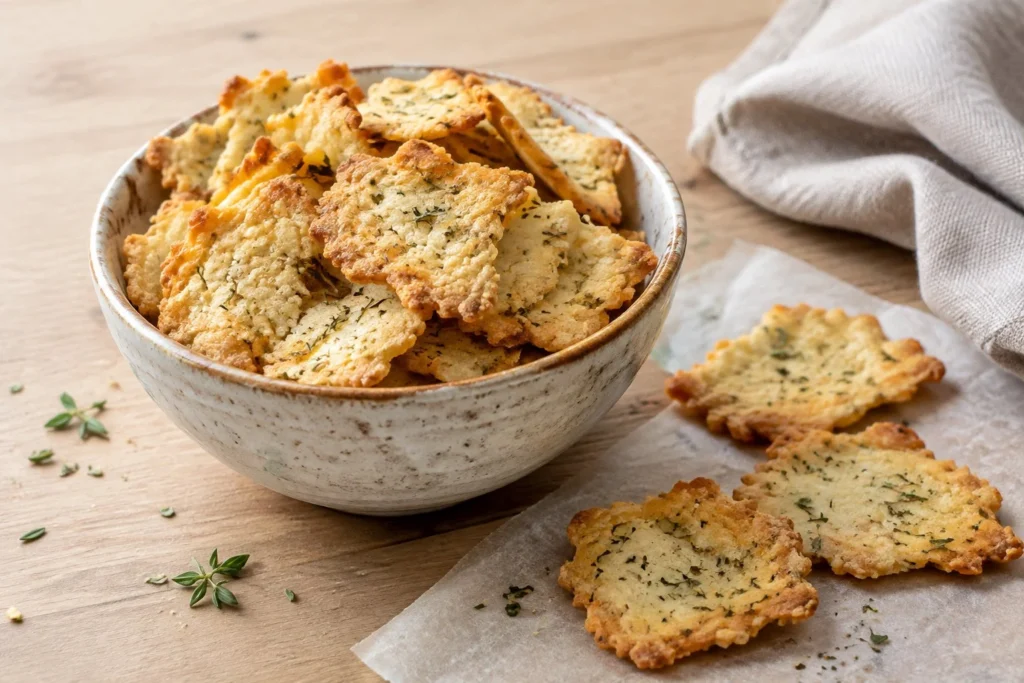
Have you ever tried making cottage cheese crackers at home, only to end up with soft, chewy pieces instead of the crispy snack you wanted? You’re not alone. Cottage cheese contains moisture, which can make it tricky to get that satisfying crunch, especially if the crackers are too thick or haven’t baked long enough.
The good news is that you can make cottage cheese crackers with simple ingredients and the right preparation techniques. Whether you want a cheesy snack for busy afternoons, a high-protein option, or a low-carb alternative, this recipe guide will help you choose the right ingredients and avoid common mistakes.
In this guide, you’ll learn how to prepare cottage cheese crackers, how to get them crispy, which cottage cheese works best, and how to store them without losing their texture. You’ll also find options for making them without a blender, using an air fryer, or choosing almond flour for a lower-carbohydrate version.
Keep reading for practical tips to help you get better results in your own kitchen, and use the troubleshooting advice to adjust your method if your first batch turns out too soft.
Why You’ll Love These Cottage Cheese Crackers
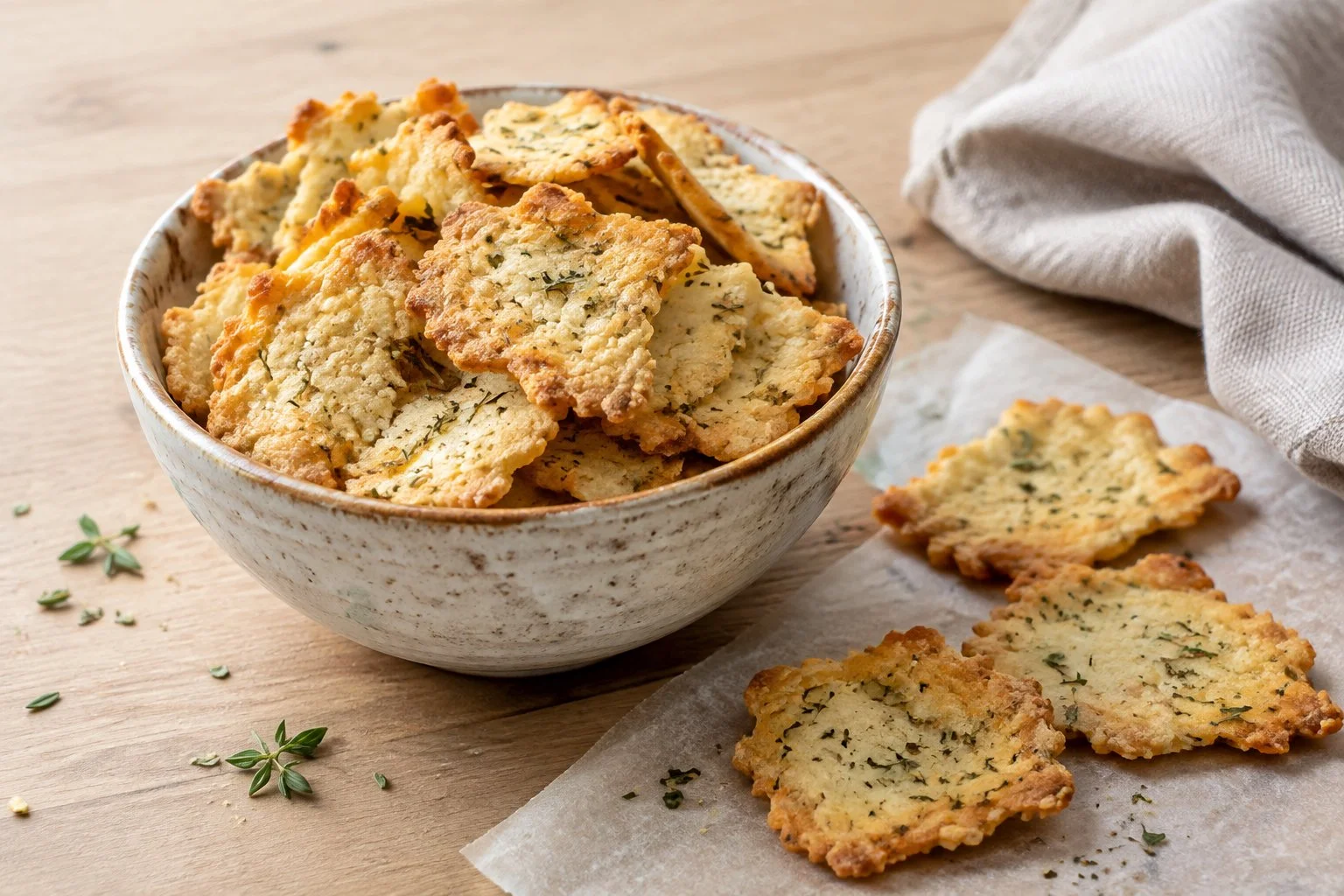
These cottage cheese crackers are an easy homemade snack with a cheesy flavor and a satisfying crunch. They use simple ingredients and require little hands-on preparation, making them a good choice for beginners who want to make crackers at home.
- Easy to make: You only need a few ingredients, basic kitchen tools, and an oven. Follow the steps, portion the mixture evenly, and bake until the crackers reach your preferred texture.
- Cheesy flavor in every bite: Cottage cheese gives the crackers their main flavor, while seasonings such as garlic powder, black pepper, paprika, or Italian herbs add extra taste.
- A protein-containing snack: Cottage cheese provides protein, although the amount in each serving depends on the recipe, added ingredients, and serving size.
- Easy to customize: Try Parmesan cheese, cheddar, ranch seasoning, or everything bagel seasoning to change the flavor. Start with small amounts so the crackers do not become too salty.
- Simple ingredients: You can make these crackers with everyday ingredients rather than buying packaged cheese snacks. The exact ingredient list depends on whether you choose a flour-free recipe or a dough made with flour.
- Great for different occasions: Serve cottage cheese crackers as an afternoon snack, pack them for a quick bite, or pair them with hummus, salsa, or your favorite dip.
- Helpful for portion control: Make the crackers in similar sizes so you can estimate servings more easily and keep the baking time consistent.
The best part is that you can adjust the seasonings to suit your taste. For the crispiest results, follow the recommended baking instructions and let the crackers cool before eating, since their texture can change as they cool.
Ingredients for Cottage Cheese Crackers
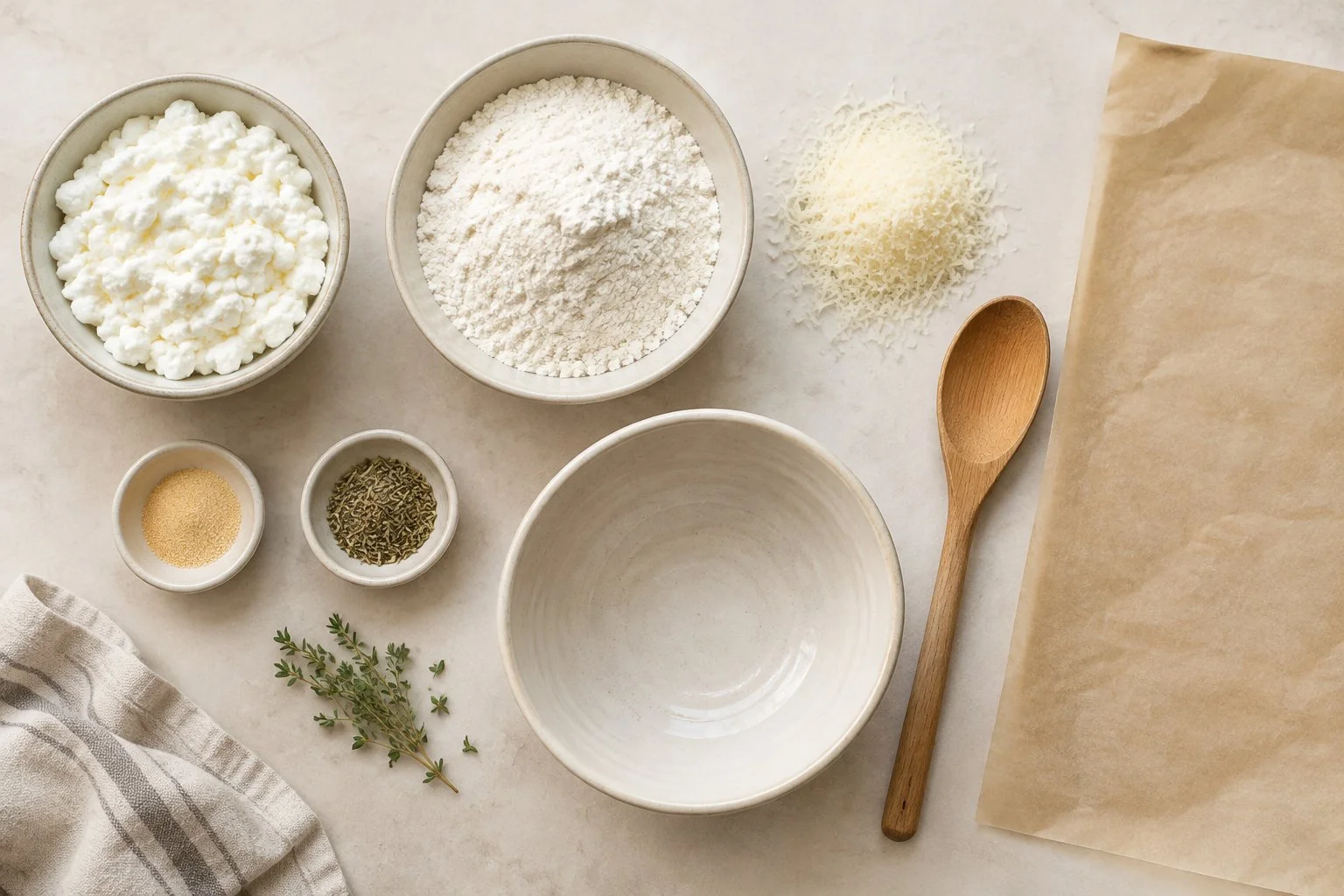
You only need a few simple ingredients to make homemade cottage cheese crackers. The exact ingredients depend on whether you prefer thin, crispy cheese crackers or a more traditional cracker made with flour. For this version, use the ingredients listed in your recipe card and measure each one carefully for consistent results.
- Cottage cheese: This is the main ingredient. Full-fat, small-curd cottage cheese is a good starting point for many baked cottage cheese chip recipes. Cottage cheese contains moisture, so the amount of liquid in your mixture can affect how well the crackers crisp up.
- Seasonings: Garlic powder, onion powder, black pepper, paprika, and Italian seasoning add flavor without making the recipe complicated. Start with a small amount and adjust to your taste.
- Parmesan cheese (optional): Finely grated Parmesan adds a savory, salty flavor. Check whether your recipe already includes cheese before adding more.
- All-purpose flour or almond flour (if using a dough-based recipe): Flour helps create structure in traditional cottage cheese crackers. Almond flour is a common alternative in some gluten-free and low-carb recipes, but it changes the texture and does not work as a direct replacement in every recipe.
- Egg (if required by your recipe): Some cottage cheese cracker recipes use an egg to help bind the ingredients together. Others rely on cottage cheese and cheese alone, so follow the specific method you are making.
Which Cottage Cheese Should You Use?
For your first batch, choose plain cottage cheese without added flavors. Small-curd cottage cheese is a practical starting point because it is easy to portion and mix. Full-fat and low-fat varieties may behave differently because their fat and moisture levels vary.
If your recipe calls for blending the cottage cheese, blend it until smooth. If it calls for draining excess liquid, follow that step instead. You do not need to do both unless your recipe instructions require them.
Beginner tip: Measure your ingredients before you start, and avoid adding extra liquid without a clear reason. Too much moisture can make it harder for homemade cottage cheese crackers to become crisp.
Best Cottage Cheese to Use for Crackers
The type of cottage cheese you choose can affect the texture, flavor, and crispness of homemade cottage cheese crackers. For your first batch, plain, full-fat, small-curd cottage cheese is a good starting point, especially for recipes that use cottage cheese as the main ingredient.
Here is what to consider before choosing your cottage cheese.
- Full-fat cottage cheese: It has a richer taste and contains more fat than low-fat varieties. It can work well in baked cottage cheese crackers, but the final texture still depends on the recipe and moisture level.
- Low-fat cottage cheese: You can use it in recipes that allow it, but differences in moisture and fat content may affect the final crunch. Follow the recipe’s tested ingredients for the most reliable results.
- Small-curd cottage cheese: The smaller curds are easy to portion and can be blended into a smooth mixture. This makes them a useful option for recipes that call for blending cottage cheese before baking.
- Large-curd cottage cheese: This variety can also work, but blending may be needed to create an even mixture, depending on your recipe.
- Whipped cottage cheese: Its smooth texture can make mixing easier, but its moisture content may differ from regular cottage cheese. Check the consistency before using it as a substitute.
- Brand and moisture differences: Some cottage cheese brands contain more liquid than others. Excess liquid can make it harder to get crispy crackers, so check your mixture and follow any draining instructions in the recipe.
Should You Drain Cottage Cheese Before Baking?
Not every cottage cheese cracker recipe requires draining. If your recipe uses blended cottage cheese and other ingredients, follow its instructions first. If there is a noticeable pool of liquid, draining excess whey may help reduce moisture, but changing the moisture level can also affect the recipe’s texture.
For recipes made with cottage cheese alone and seasonings, spreading the mixture evenly and baking it until sufficiently dry are especially important.
My recommendation: Start with plain, full-fat, small-curd cottage cheese and use the same type specified in your tested recipe. Once you get a good result, try other varieties in a small batch and compare their flavor, texture, and crispness.
Step-by-Step Instructions
Follow these simple steps to make homemade cottage cheese crackers with an even shape and a crisp texture. The exact baking time depends on the recipe, the thickness of each cracker, and how much moisture the cottage cheese contains. Use the ingredient amounts and oven temperature specified in your recipe.
Step 1: Preheat the Oven
Preheat your oven to the temperature listed in the recipe. Line a baking sheet with parchment paper to help prevent sticking and make cleanup easier.
If you are using a convection oven, keep in mind that it may cook the crackers faster than a conventional oven. Check them regularly as they bake.
Step 2: Prepare the Cottage Cheese
Check the cottage cheese for excess liquid. If your recipe calls for draining it, remove the extra whey before mixing.
If the instructions call for blending, place the cottage cheese in a blender or food processor and blend until smooth. This helps create a more even mixture for recipes that require a smooth base. If your recipe uses whole curds, follow that method instead.
Step 3: Mix the Ingredients
Add the cottage cheese to a mixing bowl along with the other ingredients listed in your recipe. These may include Parmesan cheese, garlic powder, black pepper, or Italian seasoning.
Mix until the ingredients are evenly combined. If you are making a flour-based cracker dough, mix until the dough holds together without becoming overly wet or sticky.
Avoid adding extra flour or liquid without checking the consistency first, as this can change the final texture.
Step 4: Shape the Crackers
Place the mixture onto the prepared baking sheet, following the portion size in your recipe. For a traditional cracker dough, roll it out evenly and cut it into small squares or rectangles.
For a cottage cheese chip-style mixture, spoon small portions onto the parchment paper and flatten them as directed.
Keep the crackers similar in size and thickness so they cook at about the same rate. Leave enough space between them to prevent overlapping.
Step 5: Bake Until Golden and Crisp
Place the baking sheet in the preheated oven and bake for the time specified in your recipe. Watch the edges closely because thin crackers can brown faster than thicker ones.
Look for the doneness signs that match your recipe. The edges may turn golden, and the surface should look dry rather than wet. Some cottage cheese crackers become crisp only after cooling, so do not rely on color alone.
If the crackers need more time, continue baking in short intervals while checking frequently to avoid burning them.
Step 6: Cool the Crackers Completely
Remove the baking sheet from the oven and allow the crackers to cool. Once they are firm enough to handle, transfer them to a cooling rack if appropriate for your recipe.
Cooling matters because moisture can continue to escape as the crackers reach room temperature. A cracker that feels slightly soft straight from the oven may become crisp after cooling.
If the centers remain soft after cooling, the crackers may need more baking or a thinner shape next time.
Step 7: Check the Texture Before Serving
Let one cracker cool completely, then break or bite into it to check the texture. It should match the result your recipe is meant to produce, whether that is a crisp cheese chip or a firm, crunchy cracker.
If you prefer extra crunch, make a note of the baking time and thickness that worked best. Small changes in moisture, oven temperature, and portion size can affect the next batch.
Serve your cottage cheese crackers plain or with your favorite dip. Allow any remaining crackers to cool fully before placing them in an airtight container, since trapped steam can make them lose their crunch.
How to Get Crispy Cottage Cheese Crackers
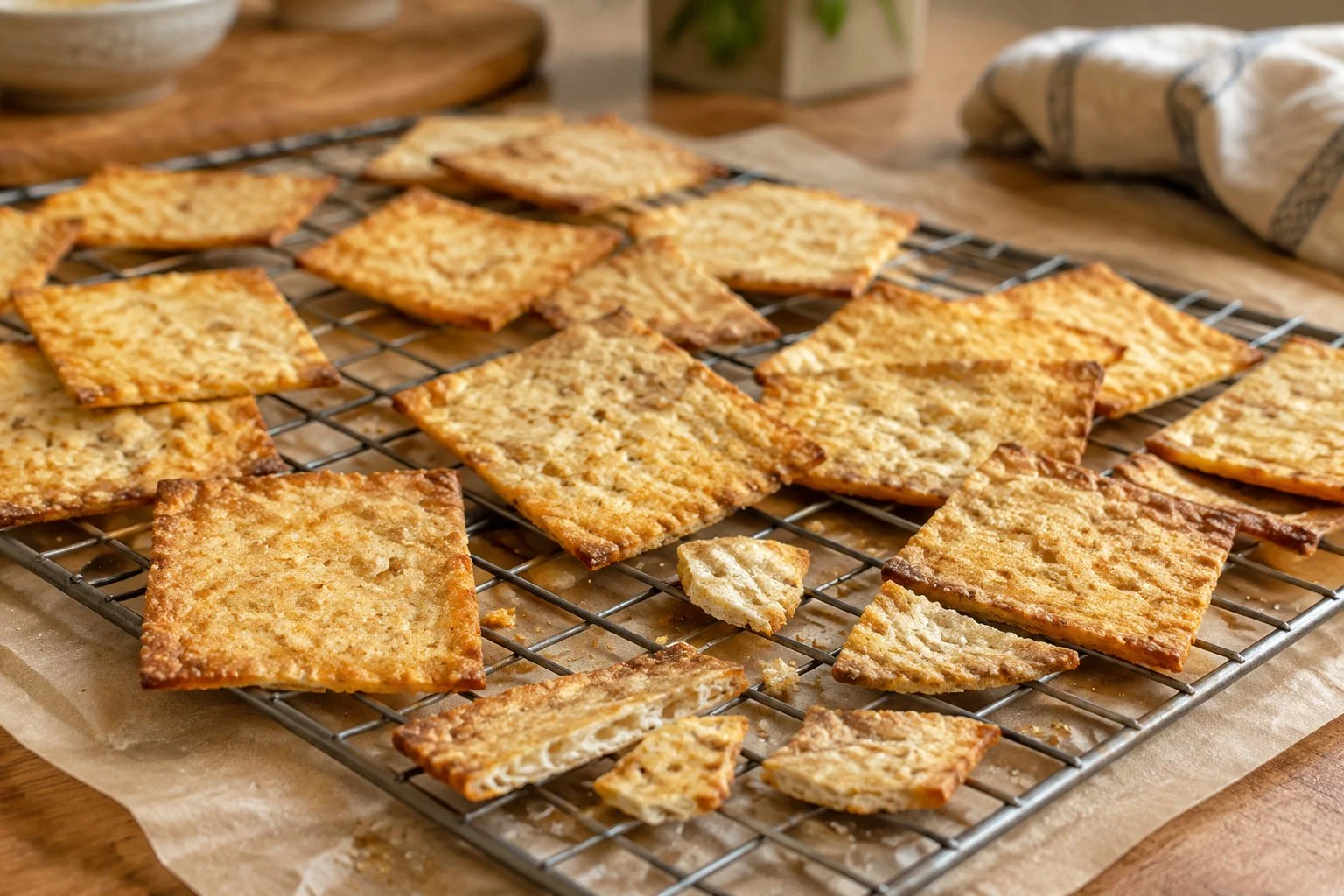
The secret to crispy cottage cheese crackers is controlling moisture, spreading the mixture evenly, and letting the crackers cool fully before serving. Cottage cheese contains a lot of water, so crackers can turn soft or chewy if the mixture is too wet or the crackers are removed from the oven too early.
- Control excess moisture: If your recipe calls for draining the cottage cheese, remove the extra liquid before mixing. Too much moisture can make the crackers soft instead of crisp.
- Blend until smooth when needed: For recipes that use blended cottage cheese, process it until there are no large curds. This helps create a more even mixture and consistent texture.
- Spread or roll the mixture thinly: Thin crackers usually crisp up more easily than thick ones. If you’re making a dough-based recipe, roll the dough to an even thickness so the edges do not brown long before the centers cook.
- Leave space between crackers: Arrange them in a single layer on a parchment-lined baking sheet. Crowding can trap moisture and make even baking harder.
- Use the correct oven temperature: Follow your recipe’s recommended temperature and baking time. Cottage cheese chips and flour-based crackers use different methods, so avoid applying the same settings to both.
- Watch for visual signs of doneness: The edges should look dry and lightly golden when the recipe calls for browning. If the centers still look wet, they may need more baking time.
- Let the crackers cool completely: Place them on a cooling rack if possible. They may become firmer as they cool, so check the texture before deciding they need more oven time.
- Store them only after cooling: Warm crackers can release steam inside a sealed container, making them soft. Once fully cool, keep them in an airtight container and protect them from moisture.
Quick tip: If your cottage cheese crackers are still soft after cooling, return them to the oven for a short period at a low temperature, watching closely to prevent burning. Let them cool again before checking their crunch. The exact adjustment depends on the thickness and ingredients of your recipe.
Common Mistakes to Avoid When Making Cottage Cheese Crackers
Making crispy cottage cheese crackers is simple, but a few small mistakes can affect their texture, flavor, and shape. Follow these tips to avoid soft centers, uneven baking, or crackers that break too easily.
– Using cottage cheese with too much liquid: Excess moisture can prevent the crackers from becoming crisp. Drain the cottage cheese if your recipe calls for it, and follow the recipe’s instructions for blending or preparing it.
– Making the crackers too thick: Thick crackers take longer to dry out and may stay soft in the center. Roll dough evenly or spread a chip-style mixture into thin, uniform portions.
– Using the wrong recipe method: Cottage cheese crackers made with flour or almond flour behave differently from baked cottage cheese chips made with little or no flour. Follow the ingredient ratios and method for the specific version you’re preparing.
– Adding too much flour: Extra flour can make dough-based crackers dry, dense, or tough. Measure carefully and add flour only as directed by the recipe.
– Skipping parchment paper: Cottage cheese can stick to a baking sheet, especially as its moisture evaporates. Use parchment paper to make the crackers easier to remove and help prevent sticking.
– Baking at the wrong temperature: An oven that’s too hot may brown the edges before the centers dry out. A temperature that’s too low may leave the crackers soft. Use the recommended oven temperature and check them near the end of the baking time.
– Removing the crackers too early: A lightly browned edge doesn’t always mean the entire cracker is crisp. Check the centers and allow the crackers to cool before judging their final texture.
– Expecting them to crisp while they’re hot: Cottage cheese crackers can firm up as they cool. Let them cool completely on a rack before deciding whether they need additional baking.
– Adding too many wet ingredients: Ingredients such as watery vegetables or wet sauces can increase moisture and interfere with crispness. For extra flavor, try dry seasonings such as garlic powder, onion powder, paprika, or dried herbs.
– Storing crackers before they cool: Trapped steam can make freshly baked crackers soft. Cool them fully before placing them in an airtight container.
Best tip for beginners: Focus on moisture, even thickness, and complete cooling. These three factors make a big difference in getting cottage cheese crackers that are crisp rather than soft or chewy.
Why Are My Cottage Cheese Crackers Soft or Chewy?
Cottage cheese crackers may turn out soft or chewy when they contain too much moisture, are too thick, or have not baked long enough. Some crackers also become crisp only after cooling, so let them rest before deciding whether something went wrong.
Here are the most common causes and how to fix them.
– Too much moisture in the cottage cheese: Cottage cheese naturally contains water, which can make crackers soft. If your recipe recommends draining the cheese, remove the excess liquid before mixing the ingredients.
– Crackers are too thick: Thick crackers take longer to dry out in the oven. Roll dough evenly or spread a cottage cheese mixture into thin, uniform portions for more consistent results.
– Not enough baking time: If the centers still feel soft or look moist, the crackers may need more time. Return them to the oven for a short interval and check frequently to prevent burning.
– Oven temperature is incorrect: An oven that’s too hot can brown the edges before the centers become dry. Follow the temperature specified in your recipe, and use an oven thermometer if you suspect your oven runs hot or cool.
– The recipe has too much liquid: Adding extra cottage cheese or other wet ingredients can change the texture. Measure ingredients carefully and avoid changing the liquid-to-dry-ingredient ratio without adjusting the method.
– The crackers have not cooled completely: Freshly baked cottage cheese crackers can feel soft straight out of the oven. Transfer them to a cooling rack and let them cool fully before checking their final texture.
– The crackers were stored while warm: Steam trapped in a sealed container can soften the crackers. Cool them completely before storing them in an airtight container.
How to Fix Soft Cottage Cheese Crackers
If your crackers are already baked but still chewy, try these steps:
- Place the crackers in a single layer on a parchment-lined baking sheet.
- Return them to the oven at a low temperature for a short period, checking frequently.
- Remove them once they feel drier and the edges are lightly golden, if appropriate for your recipe.
- Let them cool completely before testing their crispness.
Avoid increasing the oven temperature sharply, as this can burn the edges without drying the centers.
One thing to keep in mind: Cottage cheese chips and traditional cottage cheese crackers made with flour may have different textures. Chips made mostly from cottage cheese and cheese can become crisp and brittle, while flour-based crackers may have a firmer, more biscuit-like crunch. Follow the method for your specific recipe for the best results.
How Thin Should Cottage Cheese Crackers Be?
For crispy cottage cheese crackers, aim for an even, thin layer rather than thick, uneven pieces. The ideal thickness depends on whether you’re making flour-based crackers or baked cottage cheese chips, as each type has a different texture and baking method.
- For flour-based cottage cheese crackers: Roll the dough to about 1/8 inch (3 mm) thick as a practical starting point. This helps the crackers bake evenly and develop a crisp texture without leaving a thick, soft center.
- For cottage cheese chips: Spread or portion the mixture into thin, even rounds, following your recipe’s instructions. Avoid thick mounds, which may stay soft in the middle.
- Keep the thickness consistent: Crackers of different sizes and thicknesses bake at different rates. Thin edges may brown before thicker centers become crisp.
- Leave space between crackers: Arrange them in a single layer on a parchment-lined baking sheet so heat can reach each piece evenly.
- Check the texture after cooling: Crackers may firm up as they cool. Let them cool completely before deciding whether they need additional baking time.
Beginner tip: If you’re unsure how thin to make your cottage cheese crackers, start with an even 1/8-inch layer for dough-based crackers and follow the tested shaping instructions for chip-style recipes. Consistent thickness is more useful than making every cracker as thin as possible.
How to Know When Cottage Cheese Crackers Are Done
Cottage cheese crackers are ready when they look dry, feel firm around the edges, and have the right color for your recipe. However, the centers may still feel slightly soft while the crackers are hot, so check their texture again after cooling.
Use these simple signs to tell when your crackers are done:
- Check the color: The edges may turn lightly golden, especially in flour-based cottage cheese crackers. Crackers made mostly from cottage cheese may brown differently, so don’t rely on color alone.
- Look for a dry surface: The crackers should not have wet or glossy patches that suggest excess moisture. A dry-looking surface is a useful sign that they’re close to being ready.
- Check the edges: The edges should look set and feel firmer than the center. If they are browning too quickly while the middle remains soft, check your oven temperature.
- Test one cracker after cooling: Remove a cracker and let it cool completely before breaking or tasting it. A crisp cracker should snap or break cleanly, while a chewy one may bend or feel soft.
- Follow the recipe’s baking time: Use the suggested time as a guide rather than the only sign of doneness. Thickness, moisture content, oven temperature, and ingredients can all affect how long the crackers take to bake.
What If the Crackers Are Still Soft?
If your cottage cheese crackers remain soft after cooling, return them to the oven for a short interval and check them frequently. Use a low temperature if you need to dry them further, and avoid leaving them unattended because thin crackers can burn quickly.
Once they reach the desired texture, transfer them to a cooling rack and let them cool completely before storing.
Tip: Don’t judge crispness straight from the oven. Cooling helps the texture set, making it easier to tell whether your cottage cheese crackers are fully baked or need a little more time.
Cottage Cheese Crackers Variations
One of the best things about homemade cottage cheese crackers is how easy they are to customize. You can change the seasonings, add a little cheese, or use a different flour to suit your taste and dietary needs. For the best texture, make small changes and keep the original recipe’s ingredient ratios as close as possible.
1. Parmesan Cottage Cheese Crackers
Add finely grated Parmesan cheese for a stronger, savory flavor. Parmesan also helps give some cracker recipes a more cheesy taste. Since it adds salt, taste your mixture before adding extra salt.
2. Garlic and Herb Cottage Cheese Crackers
Mix in garlic powder, onion powder, or dried herbs such as oregano, thyme, and rosemary. These seasonings give your crackers a savory flavor that pairs well with hummus, cream cheese, or a yogurt dip.
3. Spicy Cottage Cheese Crackers
For a little heat, add a pinch of cayenne pepper, chili powder, or smoked paprika. Start with a small amount, then adjust the seasoning to your preference.
4. Cheddar Cottage Cheese Crackers
Add finely shredded cheddar cheese to a flour-based cracker dough for a richer, cheesy flavor. Keep in mind that extra cheese can change the dough’s moisture and fat content, so avoid adding too much without adjusting the recipe.
5. Almond Flour Cottage Cheese Crackers
For a lower-carbohydrate option, try a recipe made with almond flour instead of all-purpose flour. Almond flour behaves differently from wheat flour, so use a recipe developed for it rather than swapping equal amounts without testing.
6. Gluten-Free Cottage Cheese Crackers
Use a gluten-free flour blend in a recipe formulated for gluten-free crackers. Check the labels on your cottage cheese, seasonings, and other ingredients if you need to avoid gluten completely.
7. Keto Cottage Cheese Crackers
Choose a low-carbohydrate recipe that uses ingredients such as cottage cheese, almond flour, and suitable seasonings. The final carbohydrate count depends on the ingredient amounts and serving size, so check the nutrition information for your version.
8. Seeded Cottage Cheese Crackers
Add a small amount of sesame seeds, chia seeds, or flaxseeds for extra texture. Mix them into the dough or sprinkle them on top before baking. Too many seeds may make thin crackers more fragile, so start with a modest amount.
Tips for Customizing Your Crackers
- Use dry seasonings rather than wet sauces to help maintain a crisp texture.
- Add finely grated cheese instead of large chunks for more even distribution.
- Make one change at a time so you can see how each ingredient affects the flavor and texture.
- Remember that flour-based cottage cheese crackers and cottage cheese chips have different ingredient ratios and baking methods.
Best starting point: Try garlic powder, dried herbs, or Parmesan first. These simple additions give homemade cottage cheese crackers extra flavor without requiring major changes to the recipe.
How to Make Cottage Cheese Crackers Without a Blender
You can make cottage cheese crackers without a blender or food processor. The easiest method depends on your recipe: flour-based crackers can use cottage cheese straight from the container, while recipes that need a smooth mixture may require a little extra preparation by hand.
Follow these simple steps for a beginner-friendly approach.
- Mash the cottage cheese. Place the cottage cheese in a mixing bowl and use a fork to break up the larger curds. Continue mashing until the texture is as smooth as you can make it by hand.
- Remove excess moisture if needed. If your cottage cheese looks very watery, drain it only if your recipe calls for draining. Too much liquid can make the cracker dough sticky or prevent the crackers from crisping properly.
- Mix the ingredients by hand. Add the flour, seasonings, and any other ingredients listed in your recipe. Stir with a spoon or spatula until combined. If you’re making a dough-based recipe, gently bring the mixture together until it can be shaped.
- Check the texture. The dough should be workable and easy to roll or shape. If it is much wetter than expected, follow your recipe’s instructions for adjusting the flour or moisture rather than adding large amounts at once.
- Shape the crackers evenly. Place the dough between two sheets of parchment paper and roll it to an even thickness. Remove the top sheet, cut the dough into small squares, and transfer them to a parchment-lined baking sheet. If your recipe uses a cottage cheese mixture instead of dough, shape it according to those instructions.
- Bake according to your recipe. Follow the recommended oven temperature and baking time. Check the edges and centers as they bake, since thinner crackers may cook faster than thicker ones.
- Cool before serving. Let the cottage cheese crackers cool completely on a rack. They may become firmer as they cool, so check their final texture before deciding whether they need more baking time.
Can You Make Them Without Blending at All?
Yes, some cottage cheese cracker recipes work well with unblended cottage cheese, especially those that use flour to form a dough. Small curds may remain visible in the finished crackers, giving them a slightly different texture.
However, if you’re following a recipe for smooth cottage cheese chips or crisps, blending may be needed to achieve the intended consistency. Mashing with a fork can help, but it may not produce the same smooth result.
Beginner tip: If you don’t own a blender, choose a recipe that specifically allows cottage cheese to be mixed by hand. It saves time and helps you avoid changing the ingredient ratios to compensate for a different texture.
Can You Make Cottage Cheese Crackers in an Air Fryer?
Yes, you can make some cottage cheese crackers in an air fryer, but the best method depends on the recipe. Thin, flour-based cracker dough may work well in an air fryer basket, while wet cottage cheese mixtures may need extra care to prevent sticking or uneven cooking.
An air fryer circulates hot air around the food, which can help dry out thin crackers and give them a crisp texture. However, cooking time and results vary with the thickness of the crackers, their moisture content, and your air fryer model.
How to Make Cottage Cheese Crackers in an Air Fryer
- Prepare the cracker mixture: Mix the cottage cheese with the flour, seasonings, and other ingredients listed in your chosen recipe.
- Shape the crackers thinly: Roll the dough evenly and cut it into small squares. Keep the pieces similar in size so they cook at a similar rate.
- Prepare the air fryer basket: Line the basket with air-fryer-safe parchment paper if your appliance allows it. Make sure the paper is secured by the food and cannot blow into the heating element.
- Arrange in a single layer: Leave space between the crackers so hot air can circulate. Cook in batches if needed.
- Start with a cautious cooking time: Follow an air-fryer recipe tested for your specific type of crackers. If adapting an oven recipe, begin checking early because air fryers can cook faster than conventional ovens.
- Check for crispness: Look for a dry surface and firm edges. If the crackers are still soft, continue cooking in short intervals while watching closely.
- Cool completely: Transfer the crackers to a cooling rack before checking their final texture. They may become firmer as they cool.
Tips for Better Air Fryer Cottage Cheese Crackers
- Keep the dough evenly thin: Thick pieces may remain soft in the center while the edges become too dark.
- Avoid excess moisture: Follow your recipe’s instructions for draining or preparing the cottage cheese.
- Don’t overcrowd the basket: Overlapping crackers can cook unevenly and may not become crisp.
- Watch for loose parchment: Never preheat the air fryer with loose parchment inside, as it can reach the heating element.
- Adjust for your appliance: Air fryer models vary, so use visual and texture cues instead of relying only on the clock.
Air fryer or oven—which is better? An air fryer is useful for small batches and may cook thin crackers quickly. A conventional oven is often more convenient for larger batches because it provides more baking space.
For the best results, use an air-fryer recipe designed for cottage cheese crackers whenever possible. A method for baked cottage cheese chips may not work exactly the same way as one for flour-based crackers.
Can You Make Cottage Cheese Crackers Without Flour?
Yes, you can make flour-free cottage cheese crackers, but the result depends on the recipe. Some versions use cottage cheese and seasonings to make thin, baked cheese crisps, while traditional crackers usually need flour or another ingredient to help form a firm dough.
If you want a snack without all-purpose flour, you have a few options.
1. Cottage Cheese and Cheese Crisps
A simple flour-free option uses cottage cheese with finely grated Parmesan or another hard cheese. The mixture is portioned into small, thin rounds and baked until the moisture reduces and the edges become crisp.
These are closer to cottage cheese chips or cheese crisps than traditional flour-based crackers. They can turn brittle as they cool, so let them cool completely before serving.
2. Cottage Cheese Crackers with Almond Flour
Almond flour is a useful alternative if you want a lower-carbohydrate cracker. It helps create a dough that can be rolled and shaped, although its texture differs from wheat flour.
Choose a recipe specifically developed for almond flour because it absorbs moisture differently from all-purpose flour.
3. Cottage Cheese Crackers with Seeds
Some recipes use ground flaxseed or other seed-based ingredients to help bind the mixture. These can add texture and may work for people who want to avoid wheat flour. Follow a recipe with tested ingredient amounts, as whole seeds alone may not hold the mixture together.
Tips for Making Flour-Free Cottage Cheese Crackers
- Control moisture: Cottage cheese contains water, so follow the recipe’s instructions for draining or preparing it.
- Keep the portions thin: Thin, evenly shaped portions usually dry out more easily than thick ones.
- Use the right ingredients: Without flour, the recipe may rely on cheese, eggs, or another binding ingredient to hold its shape.
- Watch the baking process: Flour-free cheese crisps can brown quickly, so check them often near the end of baking.
- Cool before testing: The crackers may become firmer as they cool, so check their final texture before baking them longer.
Are Flour-Free Cottage Cheese Crackers Keto and Gluten-Free?
They can be, depending on the ingredients. Cottage cheese contains some carbohydrates, and added cheese, eggs, seasonings, or flour alternatives can change the nutrition information.
A recipe made without wheat flour may be gluten-free, but check ingredient labels and cross-contact warnings if you need to avoid gluten completely. For a keto-friendly snack, check the total carbohydrates per serving rather than assuming every flour-free recipe is low in carbs.
Best tip: If you want a crunchy snack with no flour at all, start with a recipe for baked cottage cheese chips or cheese crisps. If you want crackers that roll out like traditional crackers, a recipe using almond flour or another suitable flour alternative may be a better choice.
Keto and Gluten-Free Cottage Cheese Crackers
Cottage cheese crackers can fit a keto or gluten-free eating plan when you choose the right ingredients. The key is to check the flour, seasonings, and other additions, since not every cottage cheese cracker recipe is low in carbohydrates or free from gluten.
How to Make Keto Cottage Cheese Crackers
For a keto-friendly version, look for a recipe that uses cottage cheese, almond flour, and low-carb seasonings instead of all-purpose wheat flour. Some recipes also use Parmesan cheese or eggs to help bind the ingredients and add flavor.
Follow these tips for better results:
- Choose almond flour: Almond flour is lower in carbohydrates than regular wheat flour and can work well in keto cracker recipes.
- Check the cottage cheese label: Cottage cheese contains some natural carbohydrates, so compare nutrition labels and serving sizes.
- Use low-carb seasonings: Garlic powder, onion powder, paprika, and dried herbs can add flavor without requiring sugary sauces.
- Measure ingredients carefully: Extra flour or cheese can change the texture and nutritional values of your crackers.
- Check the nutrition facts: Calculate total carbohydrates and fiber per serving based on the ingredients you use. For strict keto diets, net carbohydrates are often calculated by subtracting fiber from total carbohydrates, though individual targets vary.
How to Make Gluten-Free Cottage Cheese Crackers
To make gluten-free cottage cheese crackers, use a recipe that contains no wheat, barley, or rye ingredients. Almond flour is one option, while a suitable gluten-free flour blend may work in recipes developed for that blend.
Keep these points in mind:
- Avoid regular all-purpose flour: It contains wheat and is not gluten-free.
- Check every ingredient label: Seasoning blends, packaged cheeses, and flour alternatives may have added ingredients or cross-contact warnings.
- Use clean equipment: If you need to avoid gluten completely, prevent contact with crumbs or flour from other foods.
- Follow a compatible recipe: Gluten-free flour blends vary in how they absorb moisture, so they may not work as a direct one-to-one replacement in every recipe.
Are Keto and Gluten-Free Cottage Cheese Crackers the Same?
No. A cracker can be gluten-free without being keto-friendly. For example, a gluten-free flour blend may contain rice flour or starches that increase the carbohydrate count. Likewise, a low-carb recipe is not automatically gluten-free unless all its ingredients meet that requirement.
Best tip: If you need crackers that are both keto-friendly and gluten-free, choose a recipe made with almond flour, check all ingredient labels, and review the nutrition facts per serving. The final carbohydrate count and texture will depend on the exact ingredients and amounts used.
What to Serve With Cottage Cheese Crackers
Cottage cheese crackers pair well with creamy dips, fresh vegetables, sliced cheese, and other simple snacks. Their mild, cheesy flavor makes them a good choice for afternoon snacking, lunchboxes, party platters, or a quick appetizer.
Here are some easy serving ideas to try.
1. Hummus and Cottage Cheese Crackers
Serve the crackers with classic hummus or roasted red pepper hummus. The creamy texture of hummus pairs nicely with the crunchy crackers, making this a simple snack for sharing.
2. Greek Yogurt Dip
Mix plain Greek yogurt with garlic powder, lemon juice, salt, and dried herbs for a quick homemade dip. You can also add chopped dill or parsley for extra flavor.
3. Guacamole or Avocado Dip
Pair cottage cheese crackers with fresh guacamole or mashed avocado seasoned with lime juice and a little salt. This combination works well for an afternoon snack or a light appetizer.
4. Cream Cheese or Soft Cheese
Spread a thin layer of cream cheese on each cracker, or serve them alongside goat cheese or another soft cheese. Add fresh herbs or a small slice of cucumber for extra flavor.
5. Fresh Vegetables
Serve the crackers with cucumber slices, cherry tomatoes, carrot sticks, or bell pepper strips. Fresh vegetables add color and a refreshing contrast to the savory crackers.
6. Cheese and Fruit Platter
Arrange cottage cheese crackers with cheddar cubes, grapes, apple slices, or berries on a snack board. This mix of sweet and savory flavors works well for casual gatherings.
7. Soups and Salads
Use cottage cheese crackers as a crunchy side for tomato soup, vegetable soup, or a fresh green salad. You can also crumble them over soup just before serving, although they may soften quickly in hot liquid.
8. Eggs and Lunchbox Snacks
Serve the crackers with boiled eggs, sliced vegetables, or a small portion of cheese for a more filling snack. Pack dips separately to help keep the crackers crisp until you’re ready to eat.
Serving tip: For the best crunch, add dips and moist toppings just before eating. If you’re preparing a snack platter in advance, keep the cottage cheese crackers separate from wet ingredients until serving time.
How to Store Cottage Cheese Crackers
To keep homemade cottage cheese crackers as crisp as possible, let them cool completely before storing them. Trapped steam can soften the crackers, while moisture in the air can make them lose their crunch over time.
Follow these simple storage tips to help your crackers stay fresh.
- Cool them completely: Transfer the baked crackers to a cooling rack and let them reach room temperature before packing them away.
- Use an airtight container: Store fully cooled crackers in a clean, dry, airtight container to limit their exposure to moisture.
- Keep them in a cool, dry place: If your crackers are dry and crisp, short-term room-temperature storage may work well. Follow your recipe’s storage guidance, especially if the crackers contain eggs, fresh cheese, or other perishable ingredients.
- Avoid adding dips before storage: Hummus, cream cheese, and other moist toppings can make crackers soggy. Store dips separately and add them just before serving.
- Check the texture before eating: If the crackers become soft, inspect them for signs of spoilage before considering whether they can be crisped again.
How Long Do Homemade Cottage Cheese Crackers Last?
Storage time depends on the ingredients, moisture level, and how thoroughly the crackers were baked. Because cottage cheese is a moist dairy product, don’t assume homemade crackers are shelf-stable just because they feel crisp.
For the safest storage method, follow the recipe’s specific guidance. If it calls for refrigeration, place the crackers in a covered container in the refrigerator. Keep in mind that refrigeration can make crackers lose some of their crunch.
If your recipe has no tested storage guidance, refrigerate the crackers rather than leaving them at room temperature for several days. Discard them if you notice mold, an unusual smell, or other signs of spoilage.
Best tip: Moisture is the main enemy of crispy cottage cheese crackers. Cool them fully, keep them in a dry airtight container when appropriate for the recipe, and store any perishable version according to food-safety guidance.
How to Reheat Cottage Cheese Crackers and Restore Their Crunch
If your cottage cheese crackers have become soft, you may be able to bring back some of their crunch by warming them in the oven or air fryer. The goal is to remove excess moisture without burning the edges.
Before reheating, check that the crackers have been stored safely and show no signs of spoilage. Reheating cannot make spoiled food safe to eat.
1. Reheat Cottage Cheese Crackers in the Oven
The oven is a good option when you want to crisp up a larger batch.
- Preheat your oven to a low temperature, around 250°F (120°C).
- Arrange the crackers in a single layer on a parchment-lined baking sheet.
- Warm them for a few minutes, checking frequently to prevent overbrowning.
- Remove the crackers when they feel drier and firmer.
- Let them cool completely on a rack before checking their final crunch.
The exact time depends on the crackers’ thickness, moisture level, and ingredients. Start with a short interval rather than leaving them in the oven unattended.
2. Reheat Cottage Cheese Crackers in an Air Fryer
An air fryer can help crisp a small batch quickly.
- Arrange the crackers in a single layer in the air fryer basket.
- Use a low temperature and begin with a short heating interval.
- Check the crackers frequently, as thin pieces can brown quickly.
- Remove them once they feel dry and firm, then let them cool before serving.
Use parchment paper only if it is approved for your air fryer, and make sure it is secured under the food so it cannot reach the heating element.
3. Can You Use a Microwave?
A microwave is generally not the best choice for restoring crispness. It heats moisture in the food, which can leave cottage cheese crackers soft or chewy instead of crunchy. An oven or air fryer is usually a better option.
Tips for Keeping Reheated Crackers Crispy
- Reheat only what you plan to eat: Small batches are easier to crisp evenly.
- Avoid high heat: Excessive heat can burn the edges before the crackers dry out.
- Allow time for cooling: Crackers may become firmer after cooling, so check the texture before reheating them again.
- Don’t repeatedly reheat the same batch: Repeated heating can affect flavor and texture.
- Store them correctly afterward: If the crackers are safe to keep, let them cool completely before placing them in a dry container. Follow the recipe’s refrigeration instructions if the crackers contain perishable ingredients.
Best tip: Start with the oven or air fryer at a low temperature, check often, and let the crackers cool completely. This gives you the best chance of restoring their crunch without making them too dark or brittle.
Can You Freeze Cottage Cheese Crackers?
Yes, you can freeze some homemade cottage cheese crackers, but the results depend on their ingredients and moisture level. Fully baked, dry crackers may freeze reasonably well, although they can lose some of their crispness after thawing. Crackers made with a moist cottage cheese mixture may become softer when defrosted.
For the best results, follow these steps.
How to Freeze Cottage Cheese Crackers
- Let the crackers cool completely. Never pack warm crackers for freezing, as trapped steam can create moisture and affect their texture.
- Freeze them in a single layer first. Arrange the cooled crackers on a parchment-lined tray and freeze until firm. This helps prevent them from sticking together.
- Transfer to a freezer-safe container. Place the crackers in an airtight freezer container or a freezer bag. Remove excess air to help protect their flavor.
- Label the container. Add the freezing date so you can keep track of how long they have been stored.
- Use within a reasonable period. For the best quality, aim to use them within about 1–2 months. This is a quality guideline, not a guarantee of safety or crispness.
How to Thaw and Reheat Frozen Cottage Cheese Crackers
For the best texture, reheat the crackers in the oven rather than using the microwave.
- Place the frozen crackers in a single layer on a baking sheet.
- Warm them in a low-temperature oven for a few minutes, checking often.
- Let them cool completely before checking their crunch.
- If they remain soft, continue warming them briefly while watching closely.
You can also use an air fryer for a small batch, provided you check frequently to prevent burning.
Should You Freeze Cottage Cheese Crackers Before or After Baking?
Freezing fully baked crackers is usually the simpler option. It lets you store a ready-to-eat snack and reheat small portions as needed.
If you want to prepare the dough ahead of time, check whether your specific recipe allows freezing before baking. Dough made with cottage cheese can change texture after thawing, and some mixtures may release extra moisture.
Storage tip: Freezing can help extend storage time, but it does not guarantee that cottage cheese crackers will stay crunchy. Cool them fully, package them tightly, and use the oven or air fryer to help restore their texture after freezing.
Cottage Cheese Crackers Nutrition Facts
The nutrition facts for cottage cheese crackers depend on the ingredients, portion size, and cooking method. Crackers made with cottage cheese alone or with Parmesan may have a different nutritional profile from flour-based crackers made with all-purpose flour or almond flour.
Cottage cheese provides protein and calcium, while added flour, cheese, eggs, and seasonings can change the total calories, fat, carbohydrates, sodium, and protein per serving.
What Nutrients Do Cottage Cheese Crackers Provide?
- Protein: Cottage cheese contributes protein, which helps support muscle maintenance and growth as part of a balanced diet. Adding Parmesan or other cheese may increase the protein content.
- Calories: The calorie count depends on how much cottage cheese, flour, oil, and cheese the recipe uses.
- Carbohydrates: All-purpose flour generally adds more carbohydrates than almond flour. Cottage cheese also contains some carbohydrates naturally.
- Fat: Full-fat cottage cheese and added cheese can increase the total fat content. Using low-fat cottage cheese may change the amount.
- Calcium: Cottage cheese and many hard cheeses provide calcium, although the amount varies by product and serving size.
- Sodium: Cottage cheese, Parmesan, and added salt can contribute sodium. Check product labels if you’re watching your salt intake.
Are Cottage Cheese Crackers High in Protein?
They can provide protein, but the amount varies by recipe. Crackers made with a generous amount of cottage cheese and Parmesan may contain more protein than versions made with mostly flour.
For a useful comparison, check the protein per serving rather than relying on claims such as “high-protein.” The serving size matters because eating more crackers also increases the calories and other nutrients you consume.
Are Cottage Cheese Crackers Low-Carb or Keto-Friendly?
Not all cottage cheese crackers are low in carbohydrates. Recipes made with all-purpose flour contain more carbohydrates than some versions made with almond flour or without flour.
If you’re following a low-carb or keto eating plan, check the total carbohydrates per serving and account for all ingredients. A gluten-free cracker is not automatically low-carb, and a flour-free recipe is not automatically keto-friendly.
How to Calculate Nutrition Facts for Homemade Cottage Cheese Crackers
For the most accurate estimate:
- Measure each ingredient, including cottage cheese, flour, cheese, eggs, and oil.
- Use the nutrition labels or a reliable nutrition database to calculate the total nutrients.
- Add the values for all ingredients.
- Divide the totals by the number of servings or crackers your recipe makes.
This gives you an estimate of calories, protein, carbohydrates, fat, fiber, and sodium per serving.
Nutrition note: Since no exact ingredient quantities or serving size have been specified here, a reliable calorie or macronutrient figure cannot be provided. Calculate the nutrition facts using your final recipe rather than publishing unverified numbers.
Conclusion
Homemade cottage cheese crackers can be a tasty, versatile snack when you get the moisture, thickness, and baking time right. The most useful lessons are to follow a recipe that matches your preferred cracker style, shape the mixture evenly, and let the crackers cool completely before judging their crispness.
Small changes in cottage cheese moisture, flour type, or oven temperature can affect the final texture, so pay attention to how your own batch turns out. If your first attempt is soft or chewy, adjust one factor at a time rather than changing the whole recipe.
For the best results, start with a reliable recipe, measure the ingredients carefully, and keep notes on the baking time and texture that work for your oven.
You can then experiment with Parmesan, garlic powder, dried herbs, or other seasonings to find your favorite flavor. Try a batch, let it cool, and check the crunch before storing it. With careful preparation and a little practice, you can make cottage cheese crackers that suit your taste and work well for snacks, dips, and sharing.
Frequently Asked Questions
1. Are cottage cheese crackers healthy?
Cottage cheese crackers can be part of a balanced diet. Cottage cheese provides protein and calcium, while the overall nutrition depends on added flour, cheese, oil, salt, and portion size. Check the ingredients and nutrition facts to see how they fit your needs.
2. Why are my cottage cheese crackers not crispy?
The most common reasons are excess moisture, thick dough, or insufficient baking time. Follow your recipe’s instructions for preparing the cottage cheese, shape the crackers evenly, and let them cool completely before checking their final texture.
3. Can I make cottage cheese crackers with only two ingredients?
Some cottage cheese chip recipes use cottage cheese and grated Parmesan or another hard cheese. These are closer to cheese crisps than traditional flour-based crackers. The exact ingredients depend on the recipe, so don’t assume every two-ingredient version will have the same texture.
4. Do I need to blend cottage cheese before making crackers?
No, not for every recipe. Some flour-based cottage cheese crackers can be mixed by hand with a fork or spoon. Other recipes need blended cottage cheese to create a smoother mixture, particularly when making thin cottage cheese chips.
5. Can I use low-fat cottage cheese?
Yes, if your recipe allows it. Low-fat cottage cheese may have a different moisture level and texture from full-fat cottage cheese, which can affect the finished crackers. Follow the recipe’s preparation instructions and avoid adding extra liquid.
6. Can I use almond flour instead of all-purpose flour?
Yes, but choose a recipe developed for almond flour whenever possible. Almond flour absorbs moisture differently from wheat flour, so a direct one-to-one substitution may change the dough’s consistency and the crackers’ texture.
7. How long do cottage cheese crackers take to bake?
The baking time depends on the recipe, oven temperature, cracker thickness, and moisture content. Follow the recommended time as a guide and check for visual signs of doneness, such as a dry surface and firm edges. Let the crackers cool before judging their crispness.
8. Can I make cottage cheese crackers in an air fryer?
Yes, some recipes work in an air fryer. Shape the crackers evenly, arrange them in a single layer, and check them frequently because thin pieces can cook quickly. Use a recipe tested for your cracker type when possible.
9. Are cottage cheese crackers gluten-free?
They can be gluten-free if all ingredients are free from gluten-containing grains and suitable for your needs. Traditional recipes made with wheat flour are not gluten-free. Almond flour and certified gluten-free flour blends are possible alternatives.
10. Are cottage cheese crackers keto-friendly?
Some versions may fit a keto eating plan, particularly recipes made with almond flour or no flour. However, cottage cheese contains some carbohydrates, and added ingredients affect the total. Check the nutrition facts and serving size before including them in a low-carb meal plan.
11. How should I store homemade cottage cheese crackers?
Let the crackers cool completely before storing them. Keep them in a clean, dry container when appropriate for the recipe, and follow refrigeration guidance if the ingredients or moisture level make them perishable. Avoid assuming homemade dairy-based crackers are shelf-stable.
12. Can I freeze cottage cheese crackers?
Some fully baked cottage cheese crackers can be frozen, although their texture may change after thawing. Cool them completely, place them in a freezer-safe container, and reheat them in an oven or air fryer if needed to help restore their crunch.
13. How can I make cottage cheese crackers crisp again?
Arrange the crackers in a single layer and warm them in a low-temperature oven for a short time, checking frequently. An air fryer can also work for small batches. Let them cool completely before checking the texture, and discard any crackers that show signs of spoilage.
14. What can I serve with cottage cheese crackers?
They pair well with hummus, Greek yogurt dip, guacamole, cream cheese, sliced vegetables, and cheese platters. You can also serve them alongside soup or salad. Add moist toppings just before eating to help prevent sogginess.
15. Can I make cottage cheese crackers without eggs?
Yes, depending on the recipe. Some cottage cheese crackers use flour or cheese to help hold their shape and do not require eggs. If your recipe relies on eggs as a binder, choose an egg-free version rather than removing them without adjusting the other ingredients.